

Products
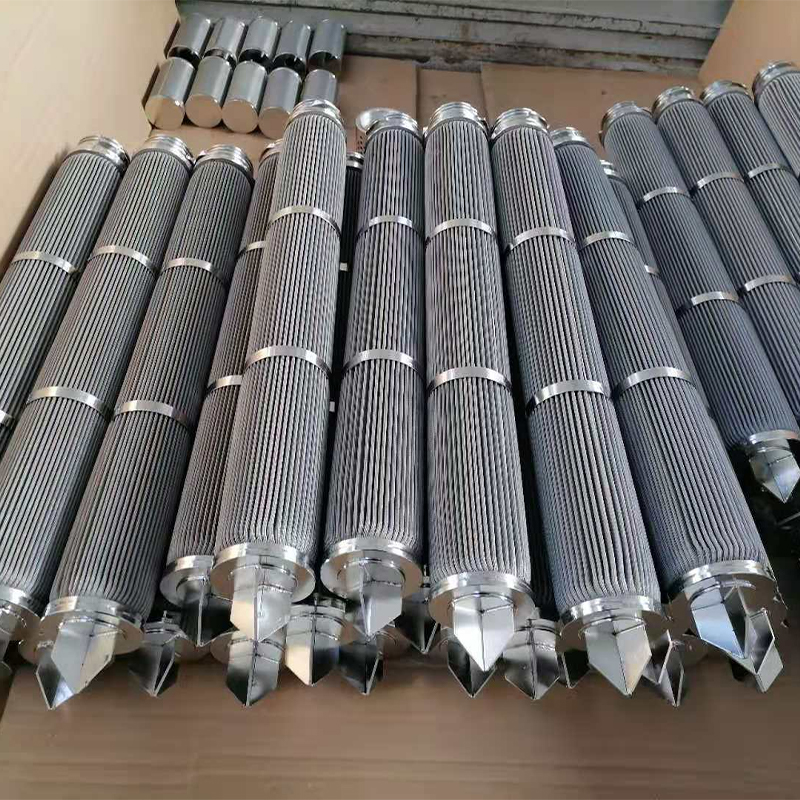
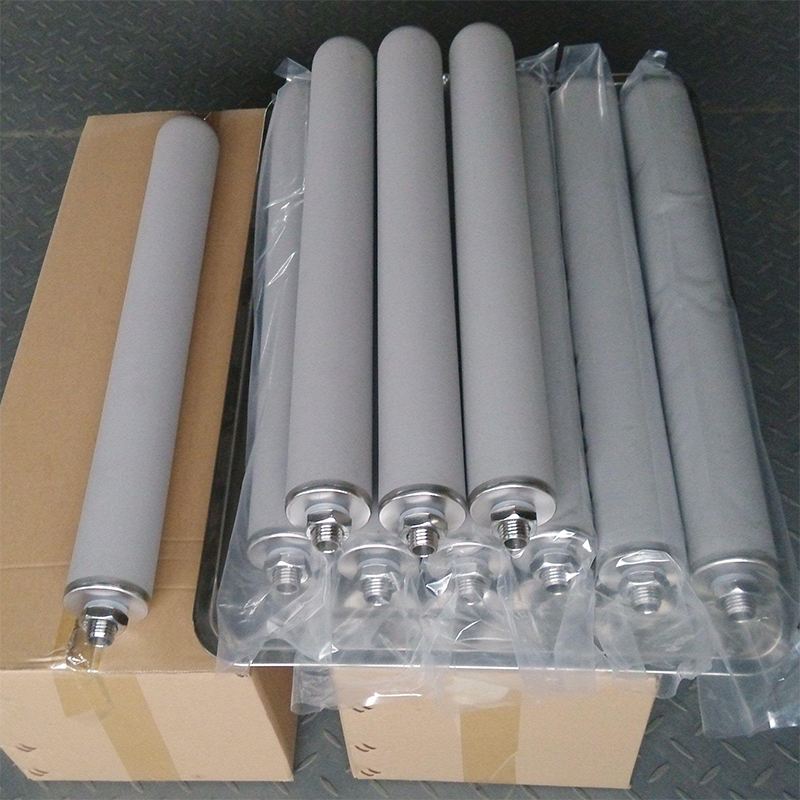

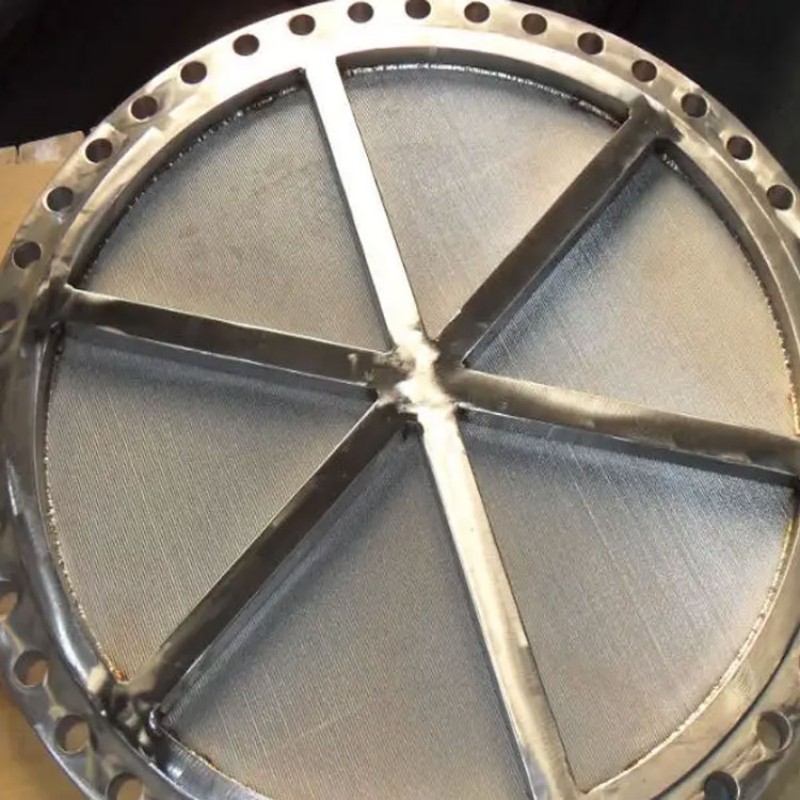
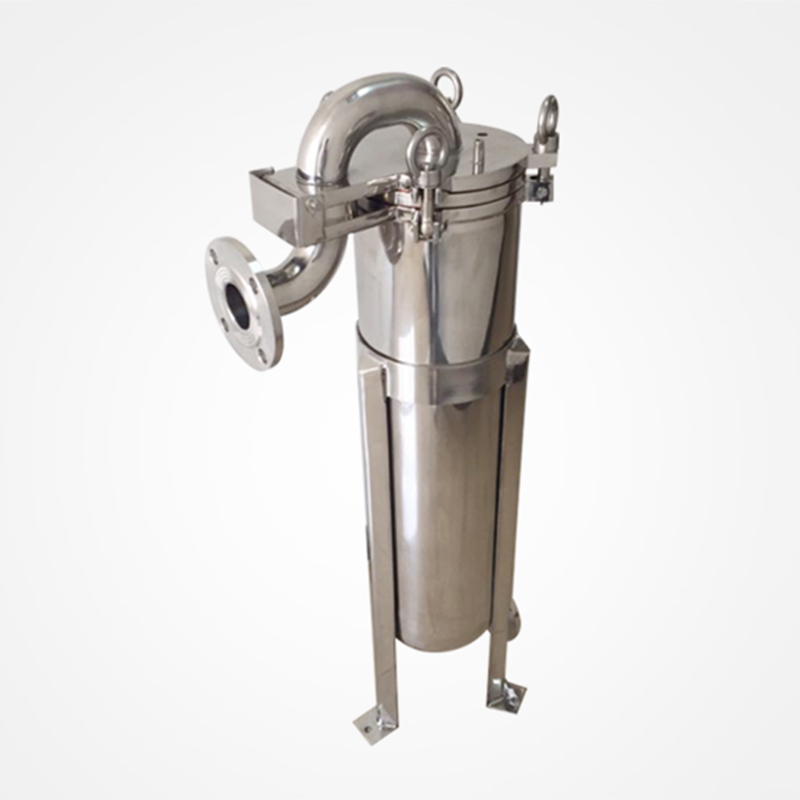
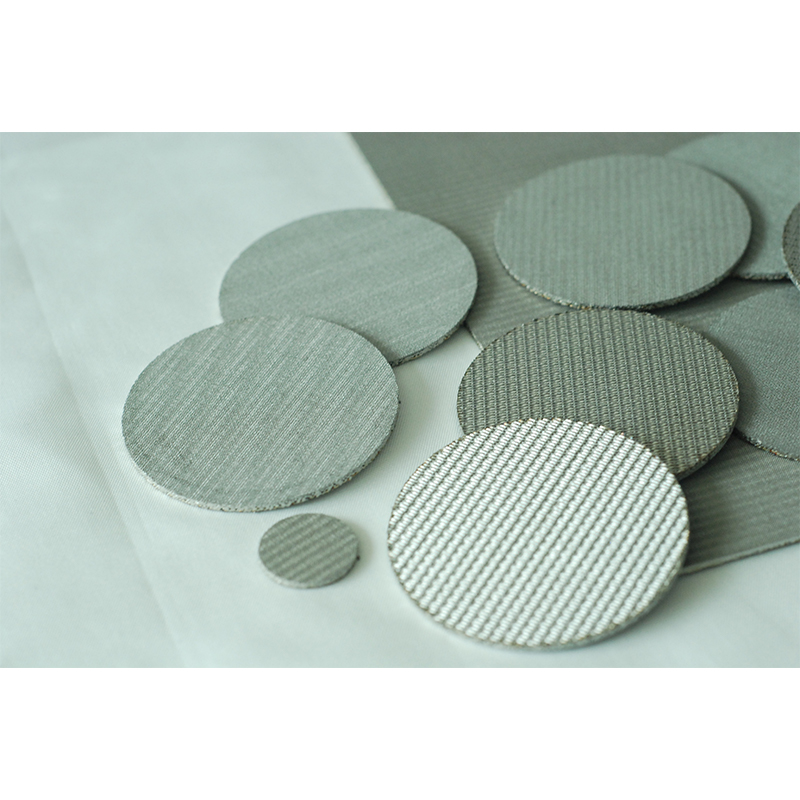
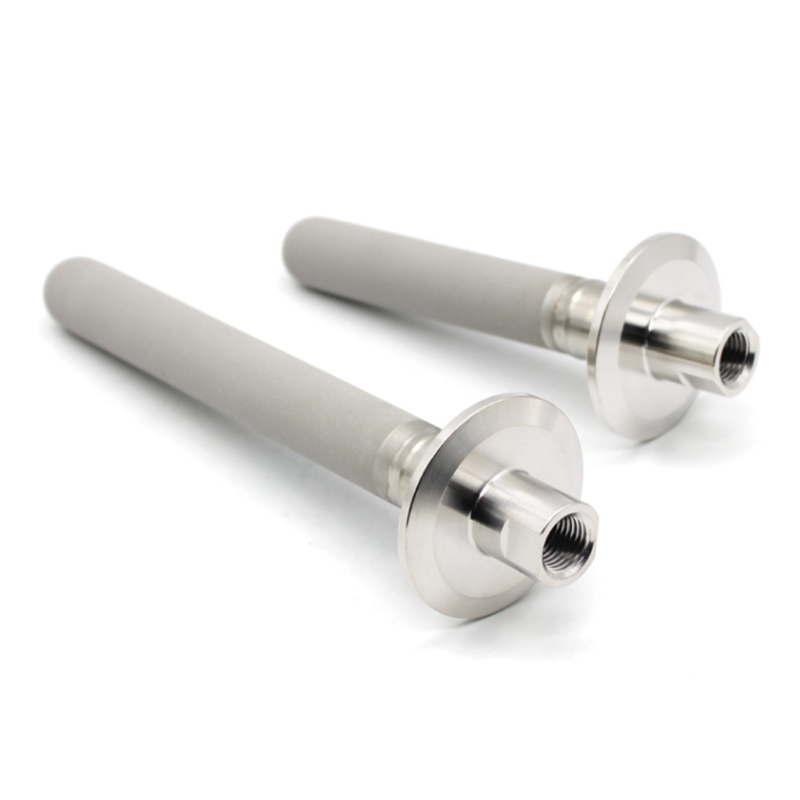
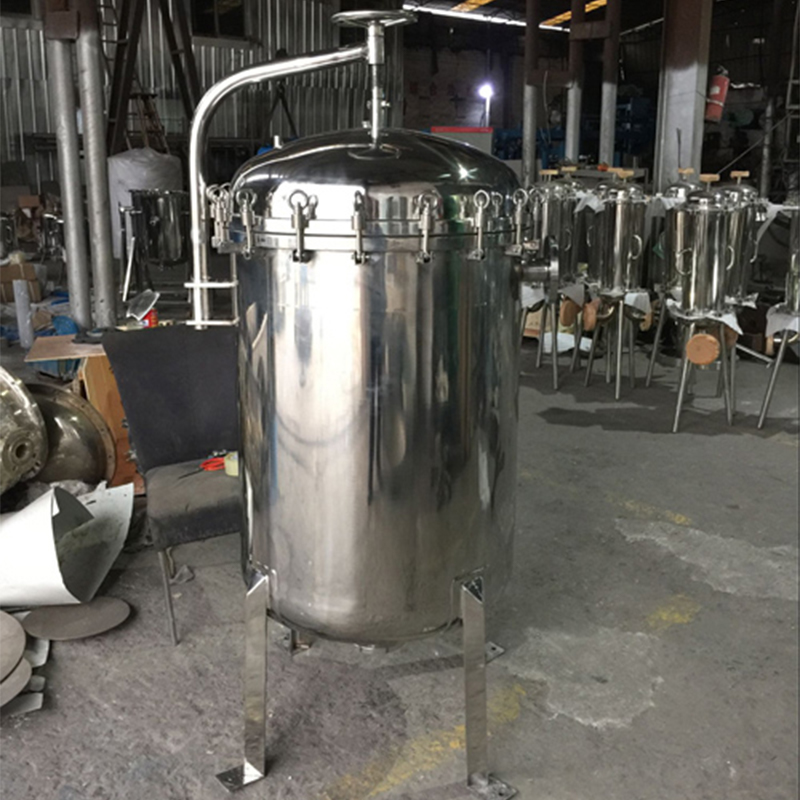
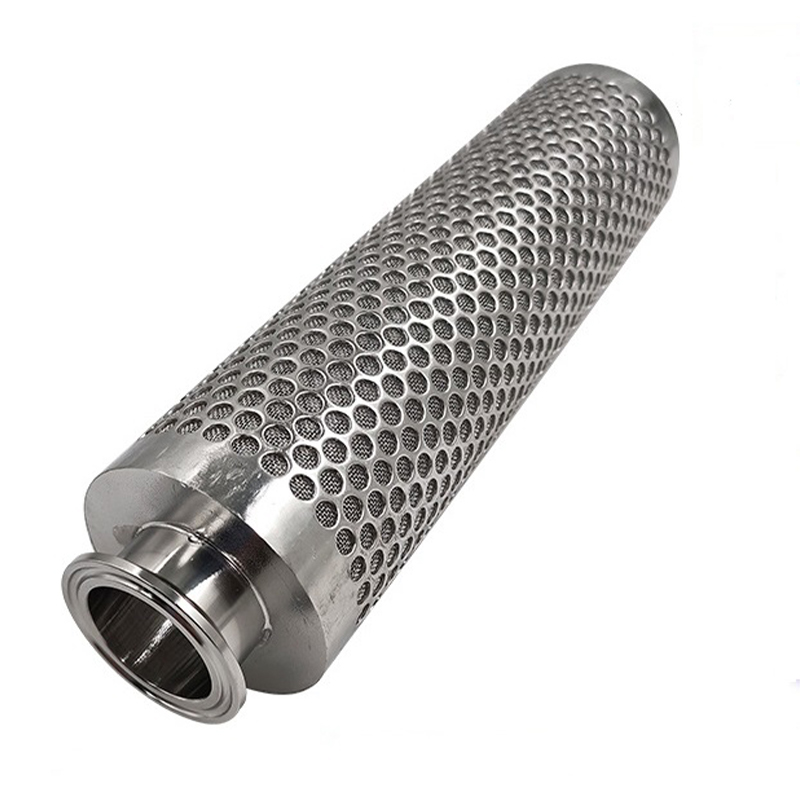
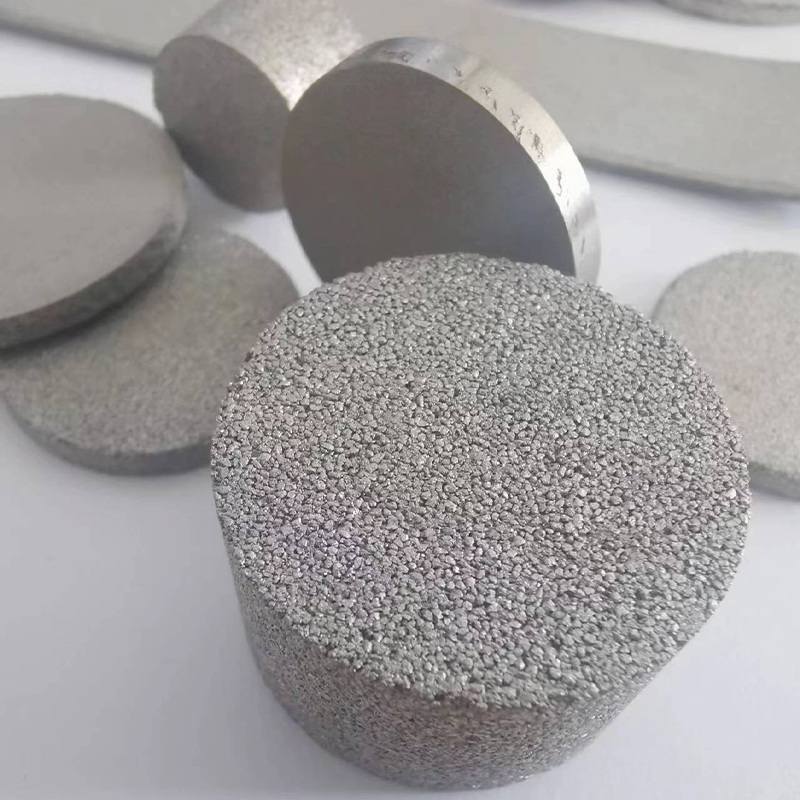
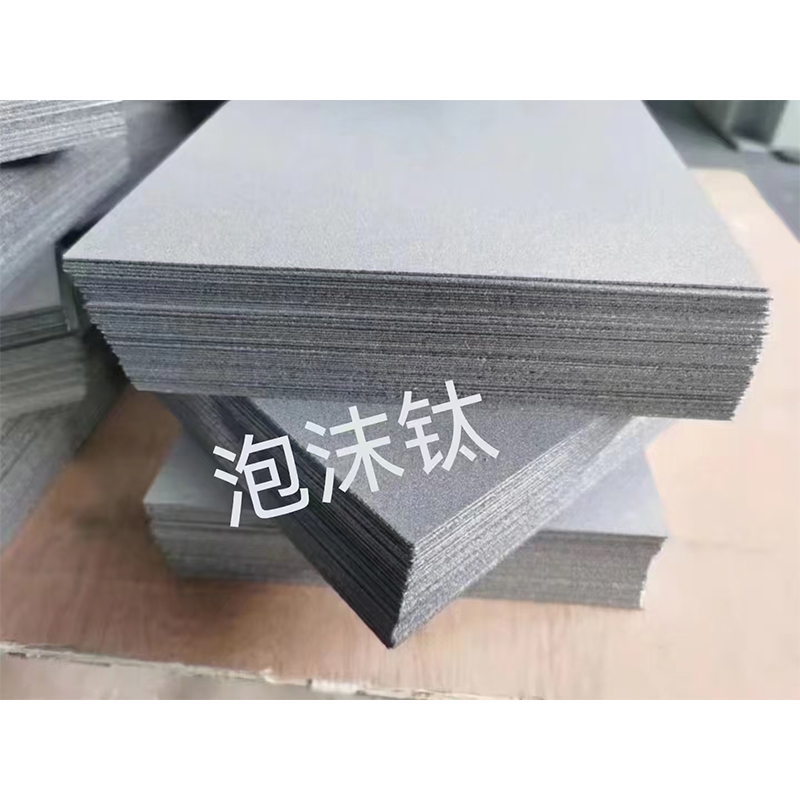
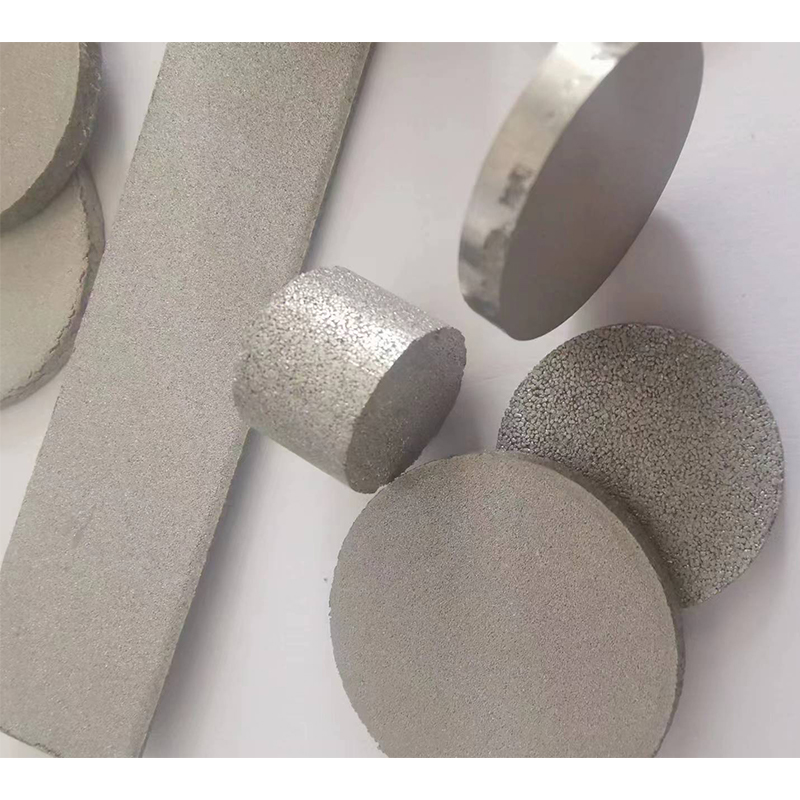
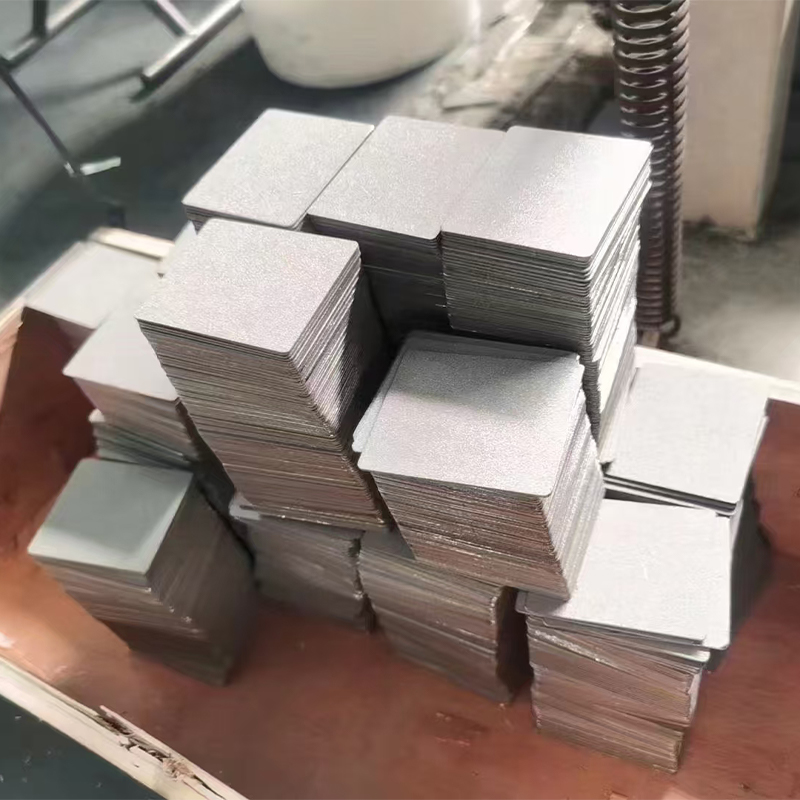
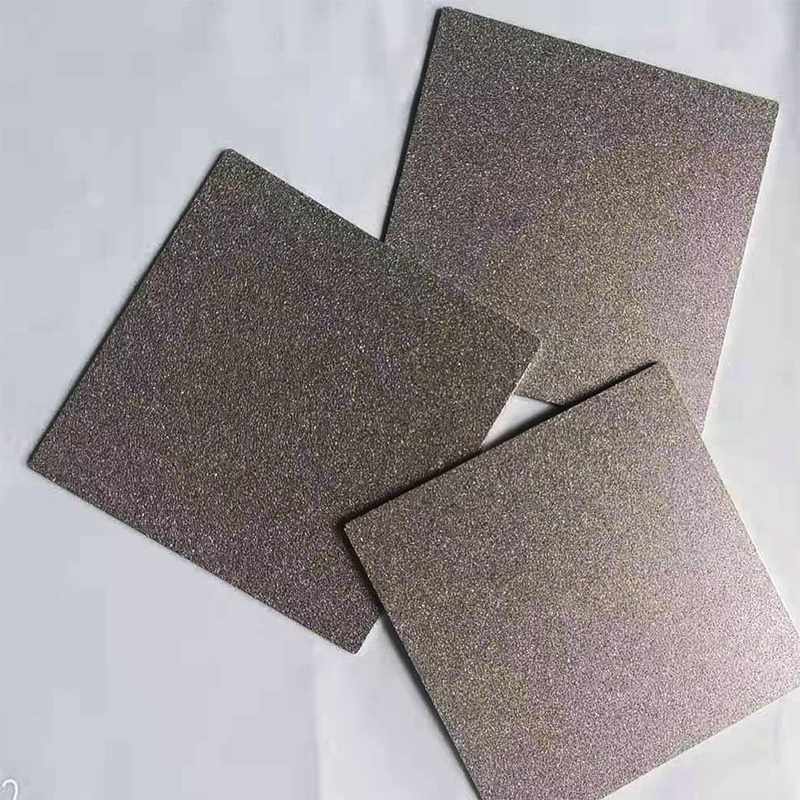
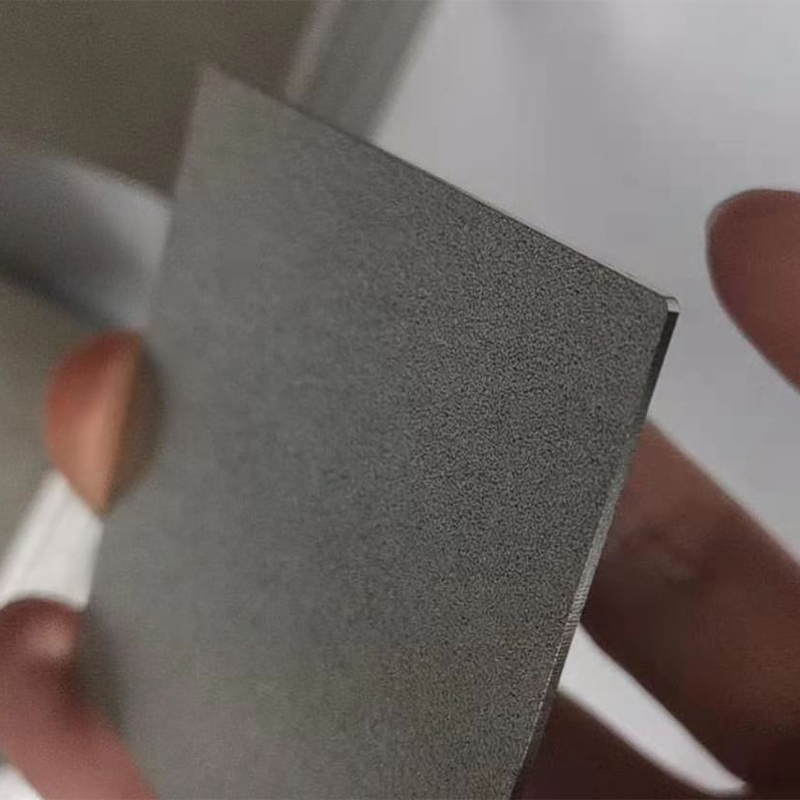
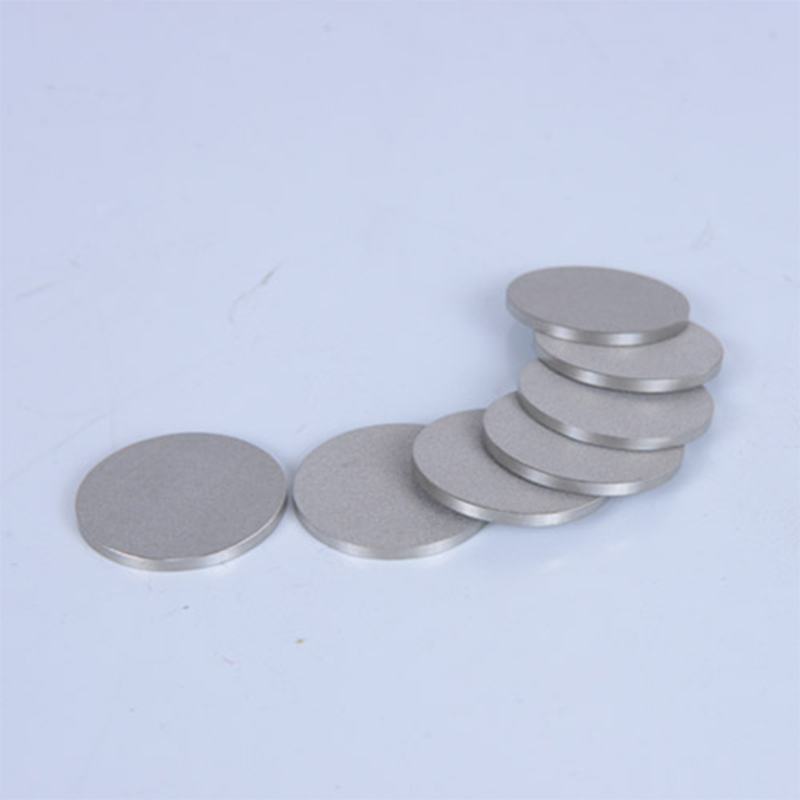
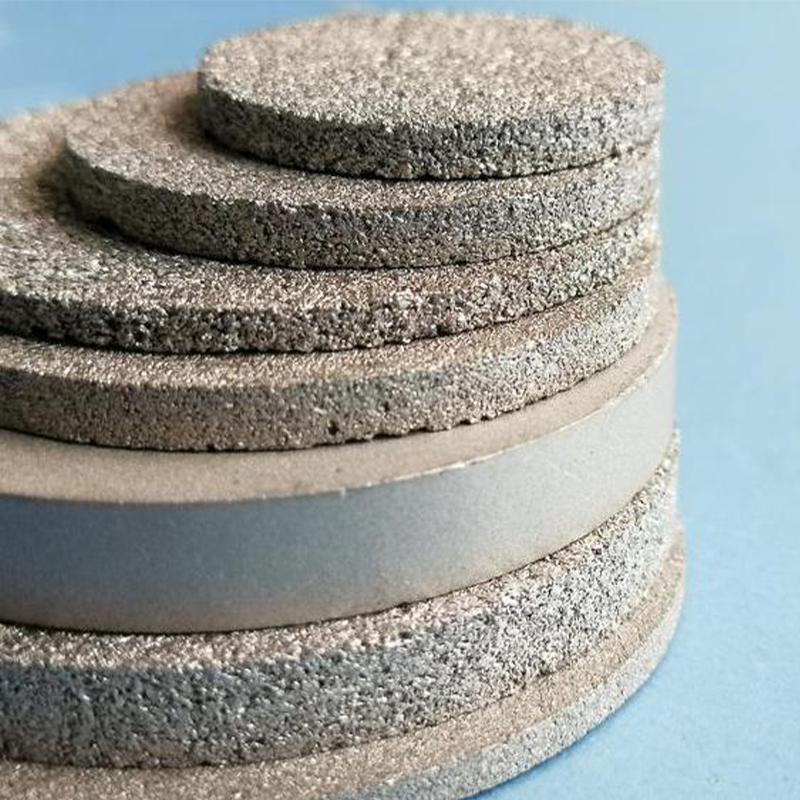
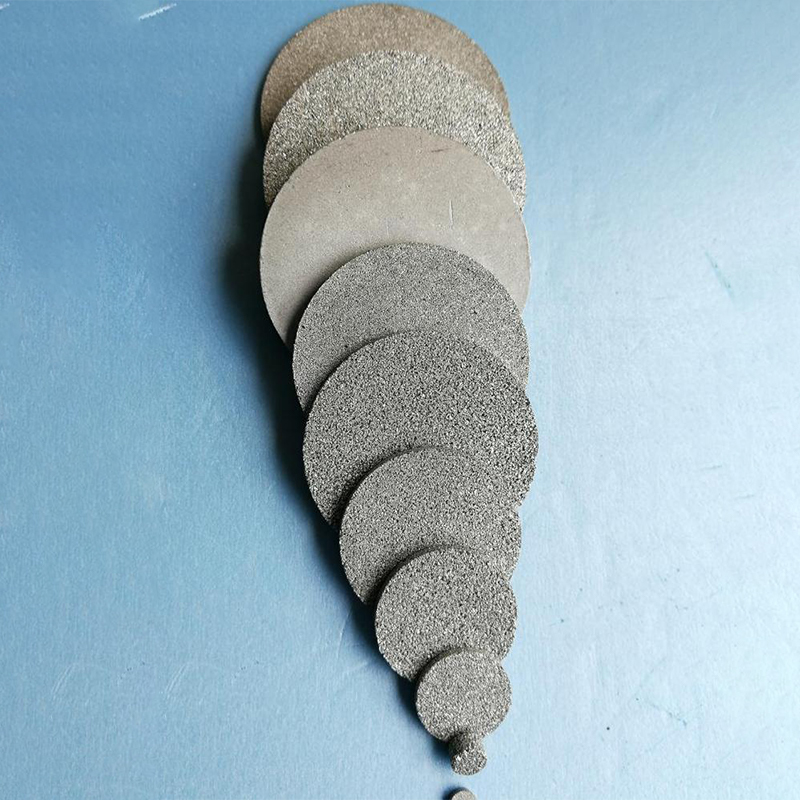
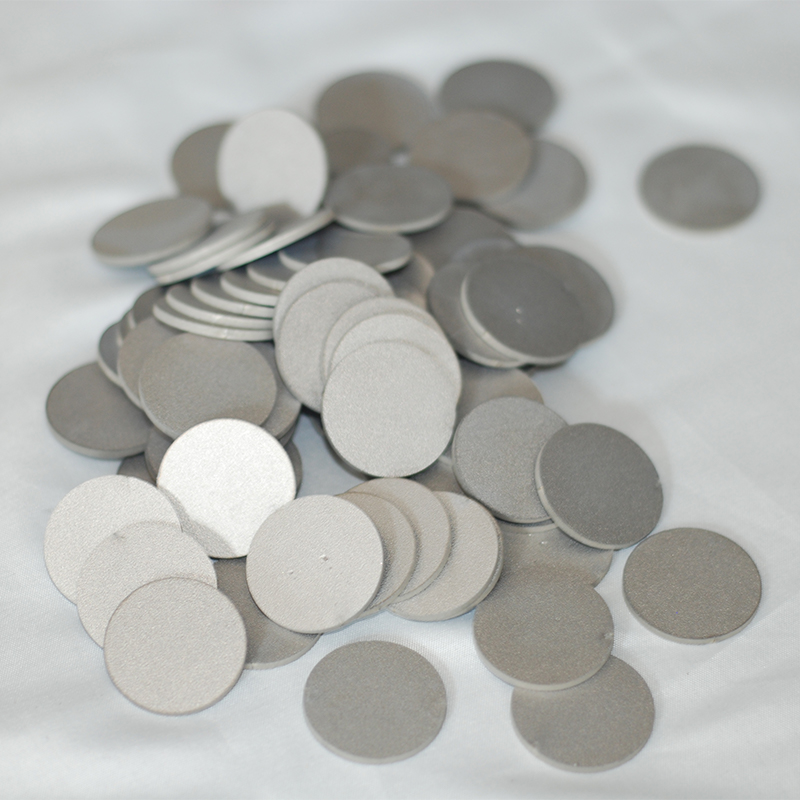
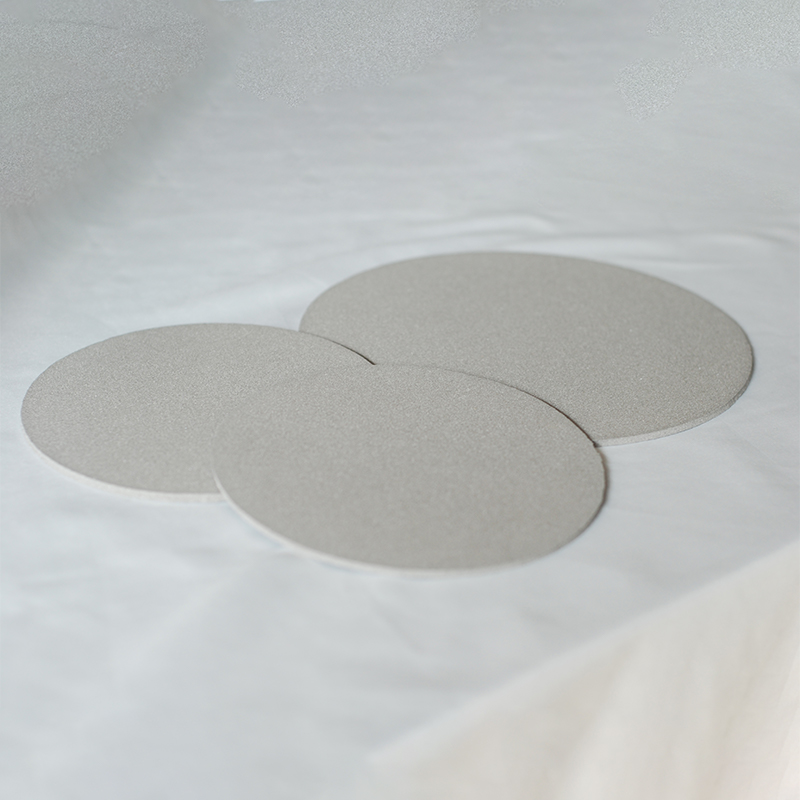
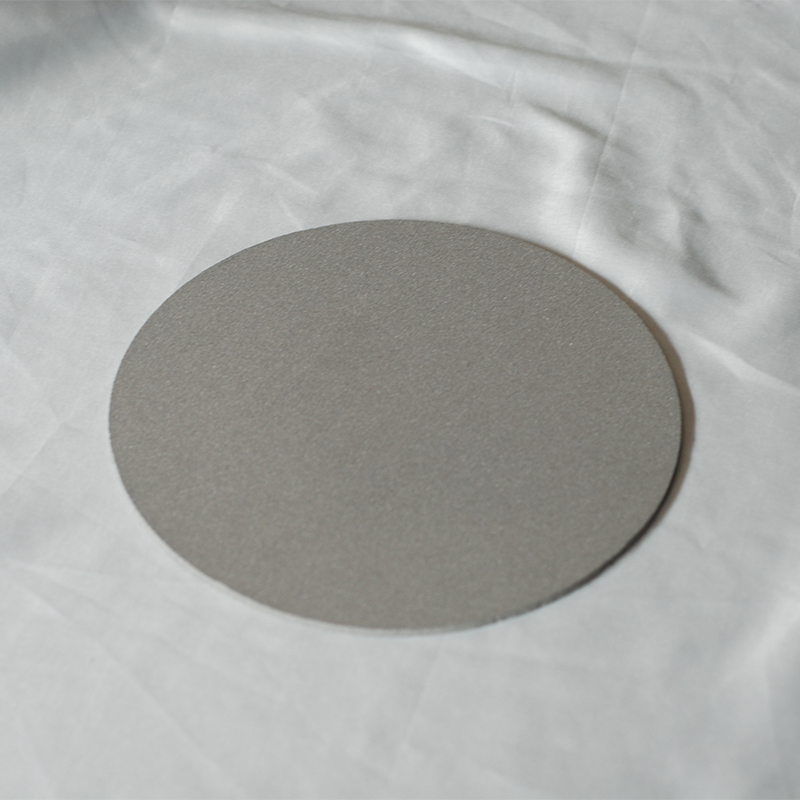
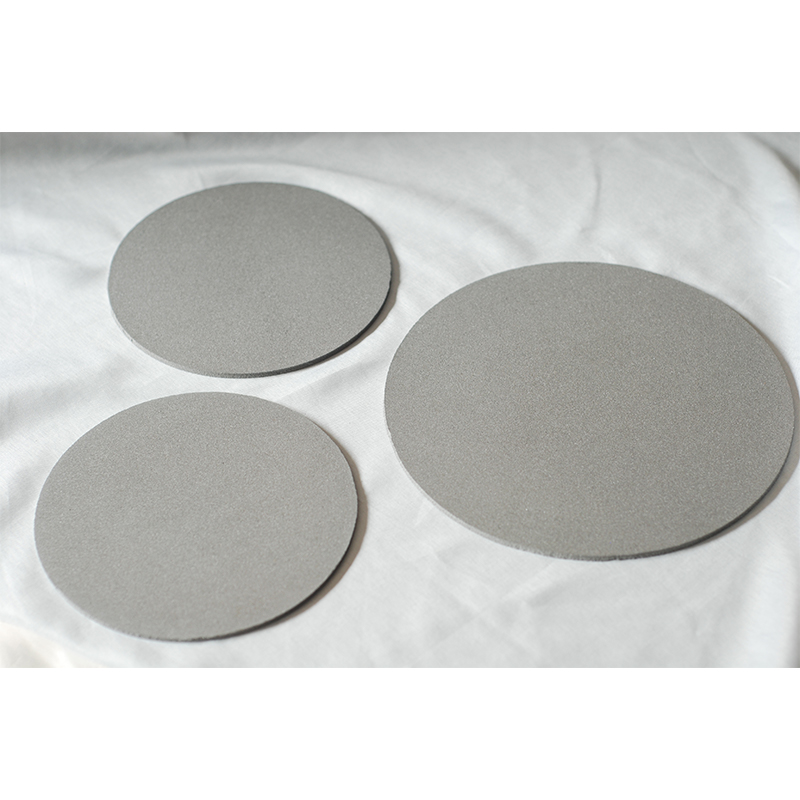
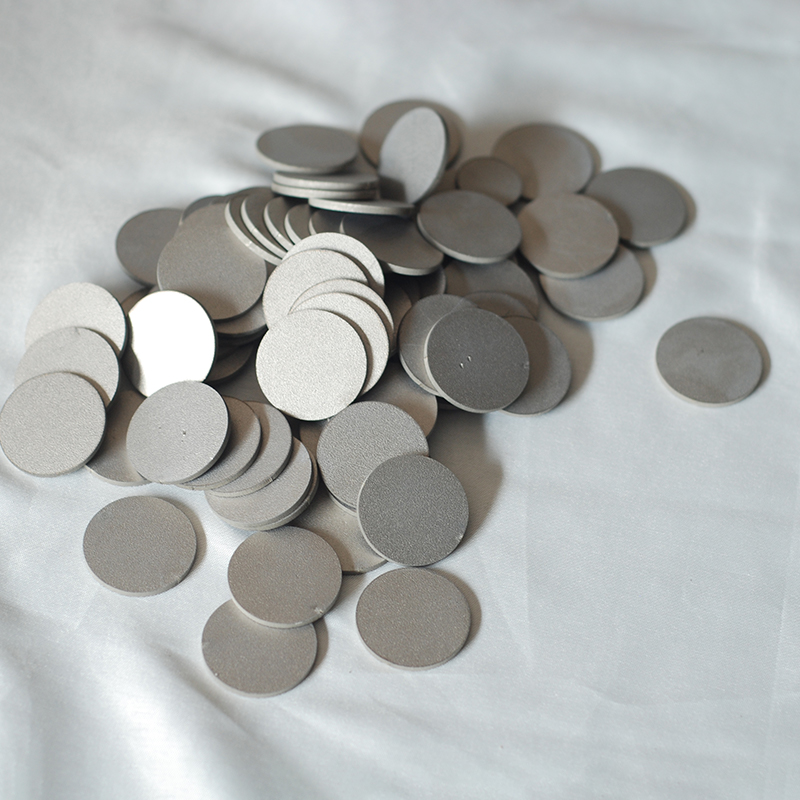
Sintered metal powder filter disc
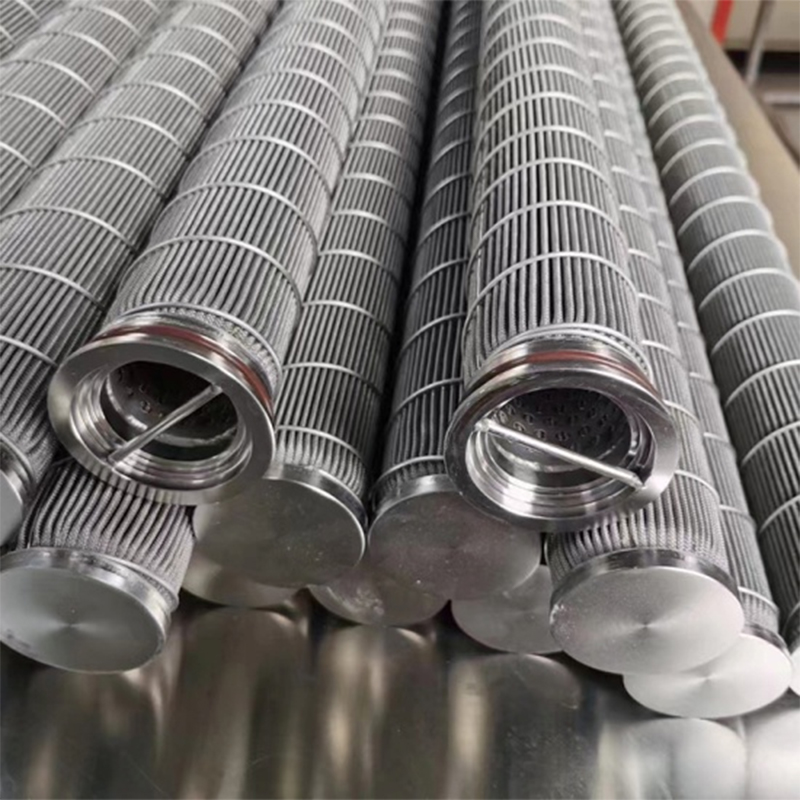
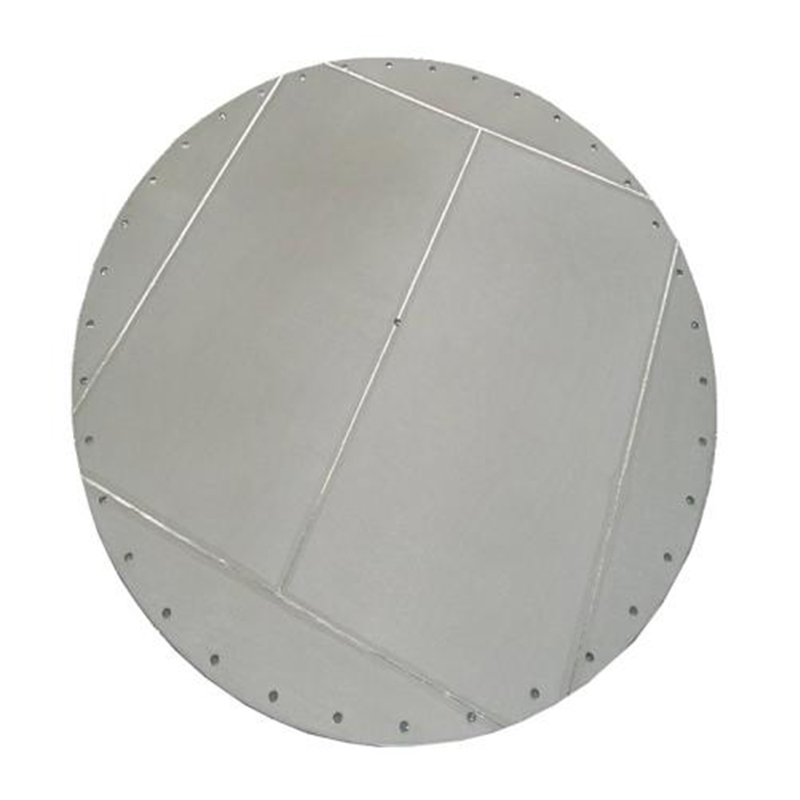
Powder sintered filtration materials (tubular and slab) are microfiltration elements made from titanium powder Ti and stainless steel grades 304, 304L, 316, 316L by fractionation, molding and sintering.
Description
marker
Main performance characteristics
Powder sintered filtration materials (tubular and slab) are microfiltration elements made from titanium powder Ti and stainless steel grades 304, 304L, 316, 316L by fractionation, molding and sintering. They are characterized by high filtration accuracy, good gas permeability, increased mechanical strength, high raw material utilization, are designed for elevated operating temperatures and are resistant to thermal shock. Widely used in pneumatic components, chemical and environmental industries. It is possible to produce, at the customer's request, porous products of various shapes, designs, granulation and porosity: caps, plates, tubes, rod filter elements and others. Thanks to high-tech raw materials and unique molding technology, stainless steel powder sintered materials have unique advantages:
1. High temperature resistance, stable operation at temperatures up to 550°C.
2. High filtration precision, stable pore size; effectively retain suspended matter and fine particles and provide an excellent degree of environmental purification.
3. Excellent gas permeability, low pressure loss. High porosity, uniform pore size, low initial flow resistance. Easy to backflush, regeneration possible without dismantling, easy cleaning, high regenerability, long service life.
4. High mechanical strength, good rigidity and ductility, no additional support frames are required. Simplicity of installation, operation and maintenance, ease of assembly. Can be welded, glued and machined.
5. Uniform pore distribution, ideal for flow distribution and homogenization processes with high uniformity requirements.
6. Filtration accuracy: 0.2-80 microns.
7. No detachment of small particles, eliminating secondary contamination of the original liquid medium.
8. Excellent mechanical properties, low pressure drop, high flow rate. Suitable for pressure filtration and vacuum filtration, easy operation.
9. High corrosion resistance, stable operation in environments of nitric, sulfuric, acetic, oxalic, phosphoric acid, 5% hydrochloric acid, molten sodium, liquid hydrogen, liquid nitrogen, hydrogen sulfide, acetylene, water vapor, hydrogen, carbon dioxide and other gases.
10. Perfect molding technology: one-piece products without welds up to 1200 mm long. Products made from stainless steel powder are formed in one technological pass, without mechanical cutting, which ensures a high utilization rate of raw materials and significant savings in materials. Particularly effective for large-scale production of complex-shaped products.


Main technical parameters of sintered stainless steel filter materials
| Filtration accuracy | Porosity | Permeability | Compressive strength | Maximum operating temperature | Maximum operating pressure drop |
| 0.5 µm – 80 µm | 20–50% | 3–1300 m³/(m² h kPa) | 3 MPa | 500 °C | 0.6 MPa |
Dimensions and standard sizes
Sintered filtration plates
Diameter: Ø5–Ø300 mm Thickness: 0.5–10 mm Filtration accuracy: 0.5 µm – 70 µm
Application areas of sintered powder filter elements
Due to their unique set of performance properties, filter elements are widely used in pharmaceuticals, water treatment, food industry, biotechnology, chemical and petrochemical industries, metallurgy, gas purification and are a promising new type of filtration material. Typical Applications:
1. Filtration to remove impurities in the production of chemical raw materials, carbon and fine purification of technological media.
2. Protective filtration of ultrafiltration, reverse osmosis (RO), electrodeionization (EDI) systems in water treatment plants.
3. Clarifying filtration of drinks, fruit juices, vodka, beer, vegetable oils, mineral water, soy sauce and vinegar in the food industry.
4. Chemical industry: carbon and high-precision filtration of liquid products, raw materials and pharmaceutical intermediates; filtration extraction of ultrafine crystals and catalysts; final cleaning after sorption on ion exchange resins; removal of impurities from coolants and process media; purification of catalytic gas streams.
5. Protective filtration in front of reverse osmosis units when purifying circulating reservoir waters of oil fields.
6. High temperature carbon filtration and removal of kaolin impurities in the production of dyes.
7. Gas purification: filtration of water vapor, compressed air, catalytic gas streams.
8. Cleaning of working media and limiting flow in pneumatic units, lubrication systems, fuel and hydropneumatic installations; removing oil from compressed air; filtration of oil from sand; purification of nitrogen-hydrogen mixtures and pure oxygen; production of bubblers; distribution of gases in fluidized beds.
Operating rules for sintered powder filter elements
1. Sintered filter elements are consumable products, despite their greater durability compared to other filters. When cleaning, installing and dismantling, avoid scratches, impacts, falls and other mechanical damage. It is prohibited to apply mechanical force with tools to the surface of the filter.
2. Standard filtration mode - liquid is supplied from the outside into the filter; reverse filtration is not recommended.
3. When starting filtration, the pressure is increased smoothly to the required operating value; a sharp surge in pressure when the shut-off valves are fully opened is prohibited.
4. Maximum working pressure ≤ 3MPa. If the filtration efficiency decreases below 50%, promptly perform backflushing with clean gas or backflushing with clean liquid without dismantling.
5. Regeneration procedure: first, backflush with clean gas under pressure 1.2–1.5 times higher than the working one, the duration of one purge is 3–5 seconds, repeated 4–6 times. Next, backwash with clean liquid for 3–5 minutes, repeat 2–3 times.
6. If pressure loss remains high after the backwash and flush cycle, the filter must be removed and manually cleaned.


contact us
Related Popular Products
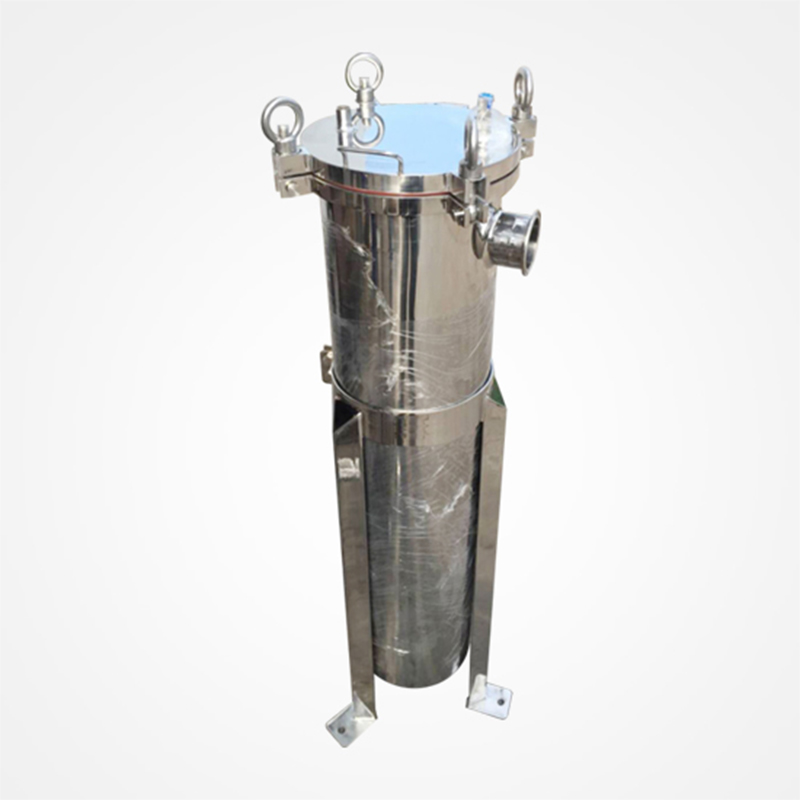
Side loading bag filter
Characteristics The bag filters are entirely made of high quality stainless steel...
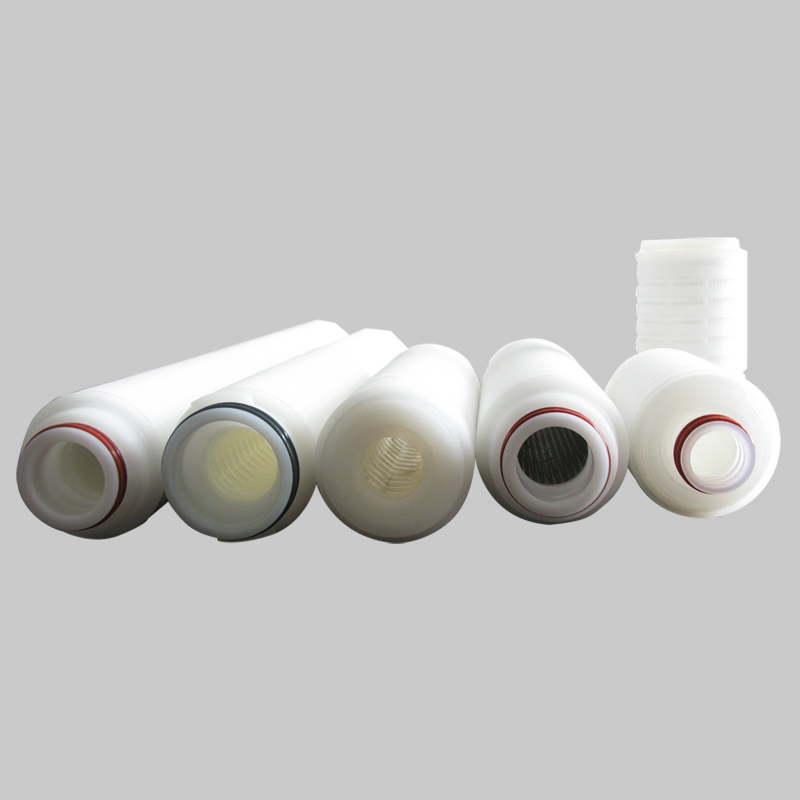
Hydrophobic pleated filter element made of polytetrafluoroethylene
The filtration membrane is made of polytetrafluoroethylene (PTFE). The structure with an internal support frame made of polypropylene or stainless steel is assembled using heat welding. The membrane has natural hydrophobicity, is resistant to strong acids and alkalis, high temperatures and ozone, and is designed for gas filtration.

Metal filter bag (dust collection of flue gases at temperatures up to 450°C)
High Temperature Metal Filter Bag (Heat Resistant Metal Fiber Filter Bag, Metal Dust Collection Bag) - The filter material is made by non-woven sheeting and sintering of metal fibers, followed by welding the metal fiber filter cloth into the shape of a bag.
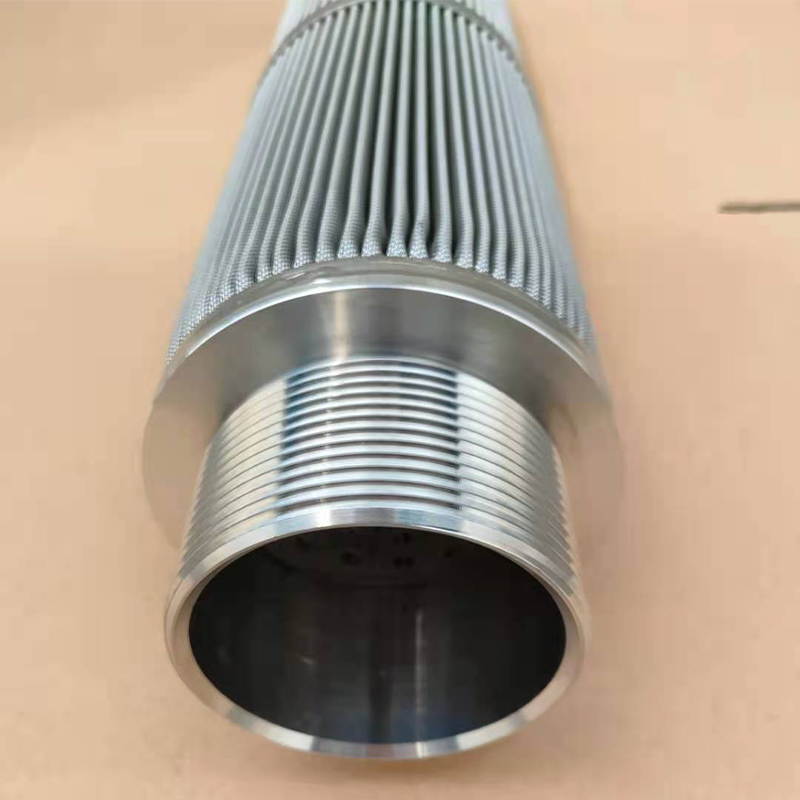
Folded sintered mesh filter element
Stainless steel pleated filter element, also known as melt-filter element. The main filter materials of this filter element are stainless woven mesh and sintered felt made of stainless fiber.
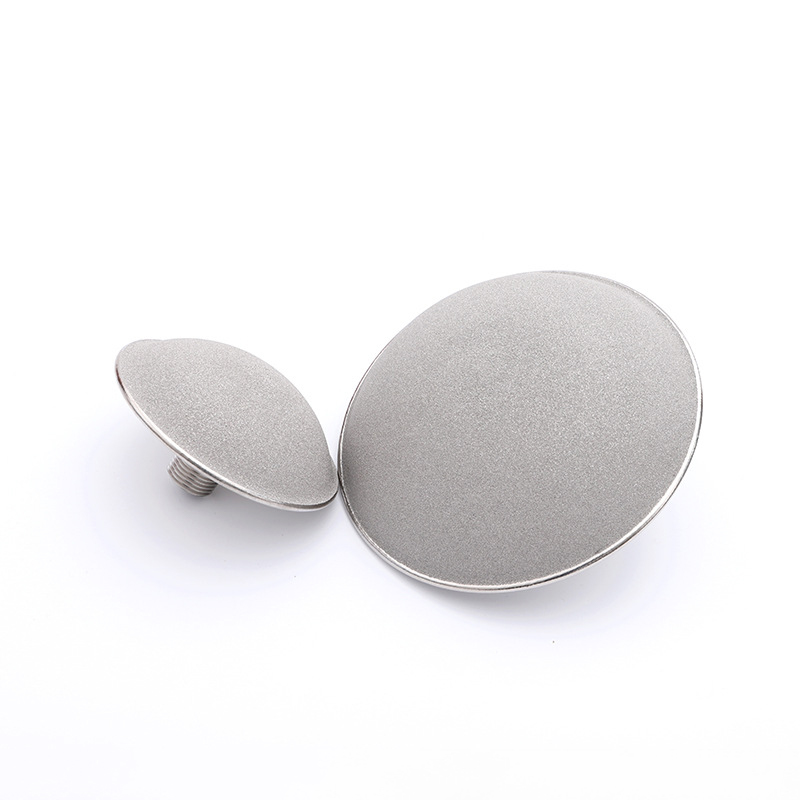
Flat aerator
The product is made by welding from a spherical titanium aeration disk, a dense titanium plate and a dense titanium fitting. The spherical titanium aeration disc is sintered from high-purity titanium powder.
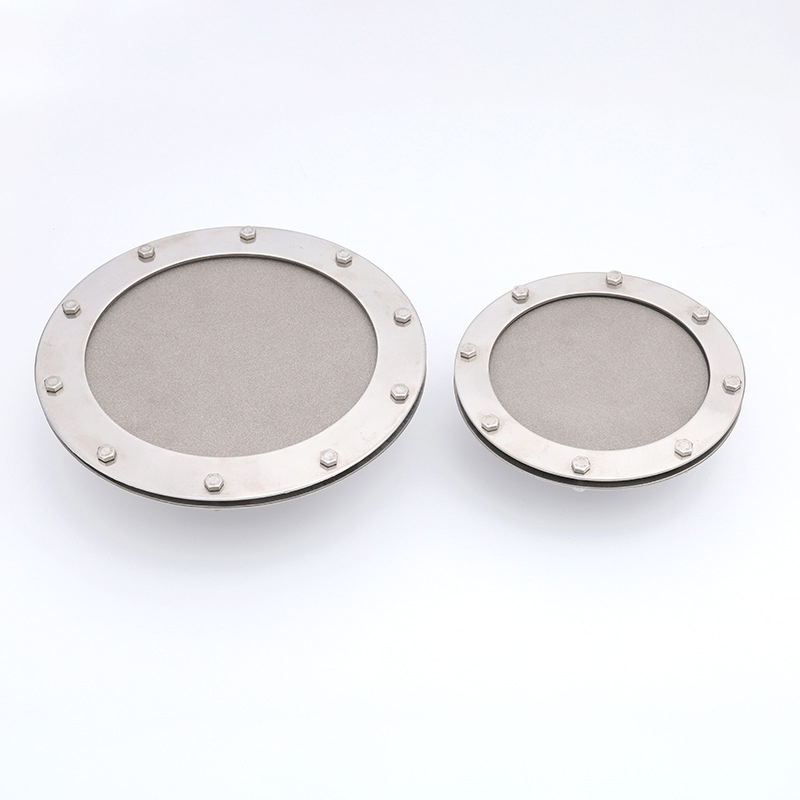
Flat aerator
The product is composed of titanium filter plate, 316L stainless steel body, 316L stainless steel flange and aerator O-ring.
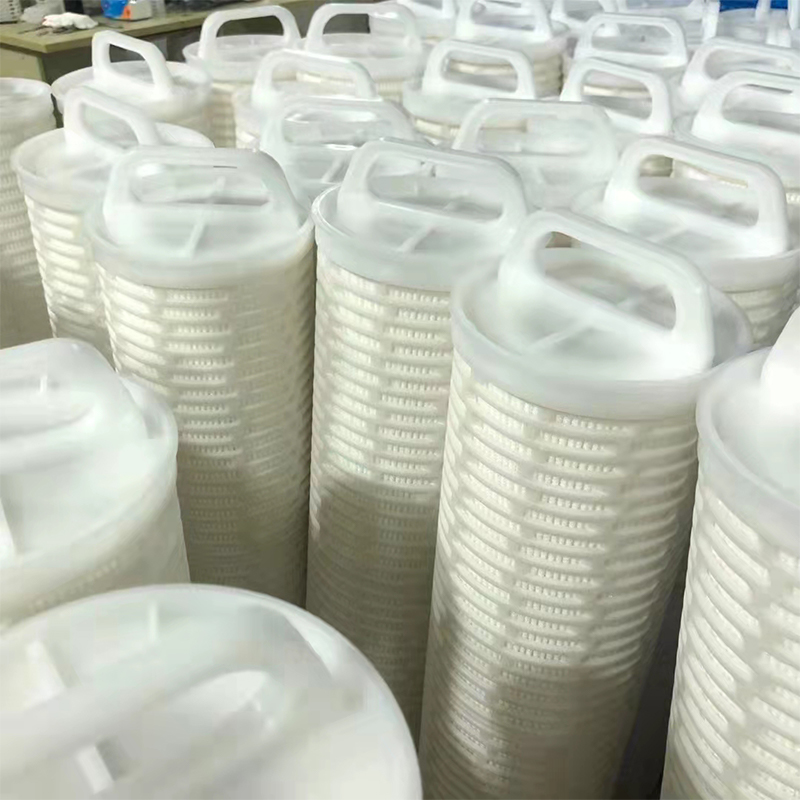
Pleat filter element made of polyvinylidene fluoride
The filtration membrane is made of polyvinylidene fluoride (PVDF). The structure with an internal support frame made of polypropylene or stainless steel is assembled by heat welding. The membrane has a unique pore shape, high resistance to contamination, resistance to acids and alkalis, and is suitable for gas filtration.
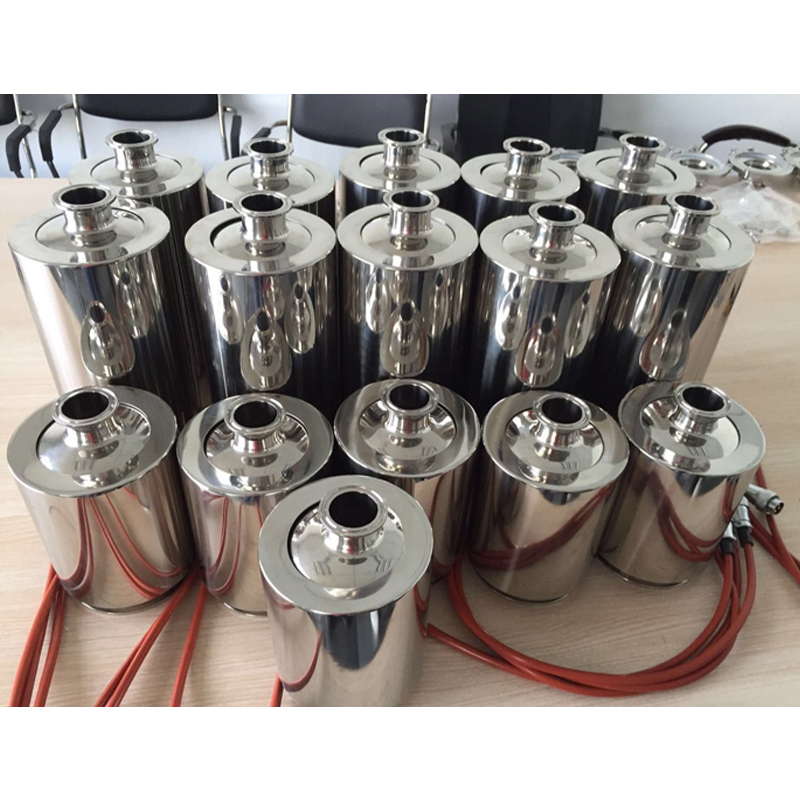
Breathing filter
The breathing filter is specially designed and manufactured to ensure sterility during gas exchange in the pharmaceutical and food industries.
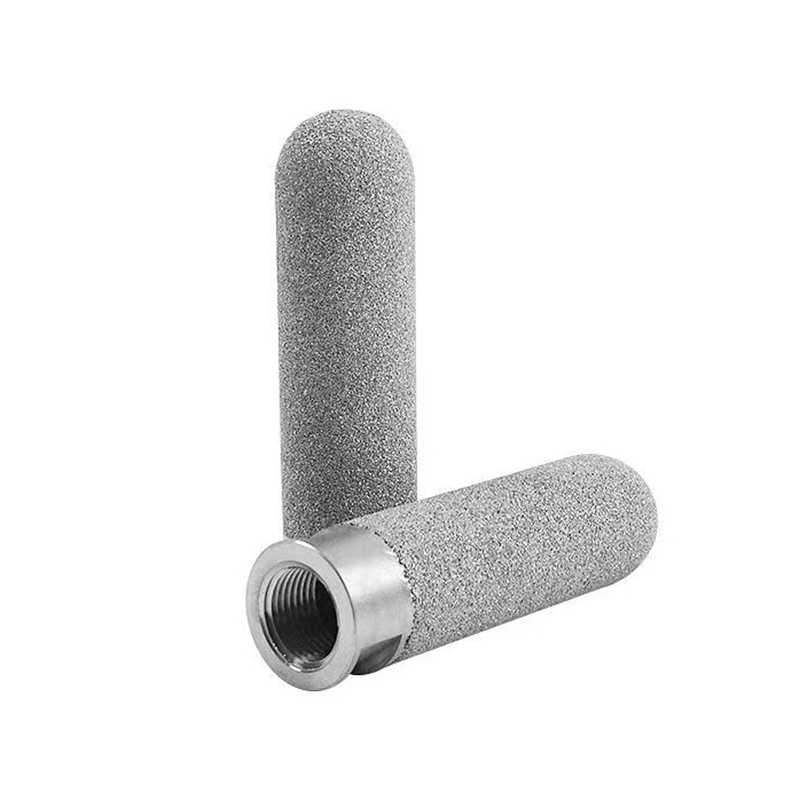
Sintered titanium powder filter element
Titanium rod filter elements (tubular and tile) are made from industrial high-purity titanium powder (99.4%).
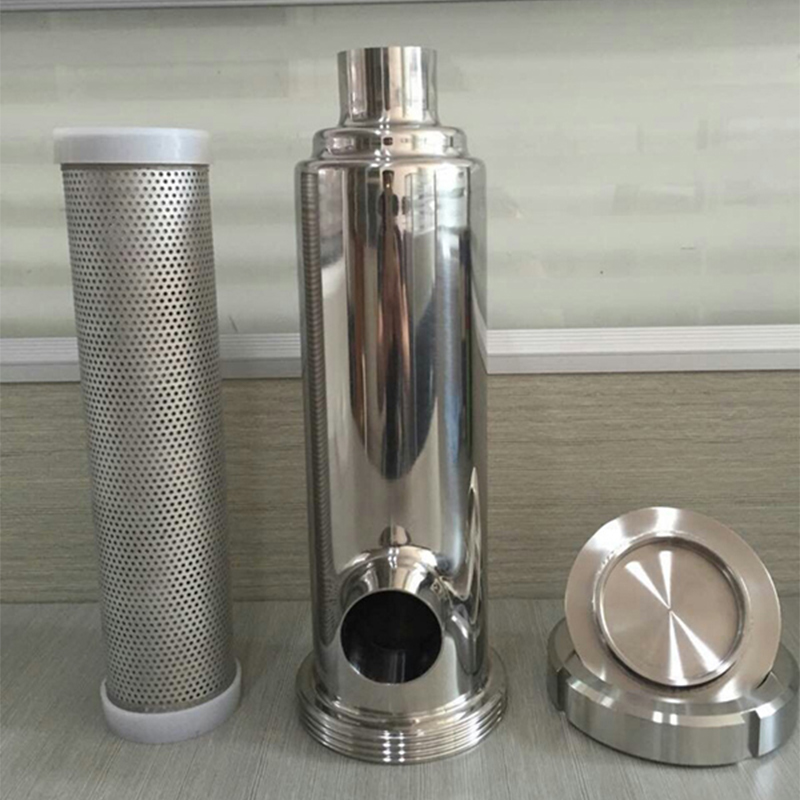
Pipe filter
The filter is a compact device for removing small amounts of solid particles from liquids and is designed to protect compressors, pumps, instrumentation and other equipment, ensuring their normal operation.
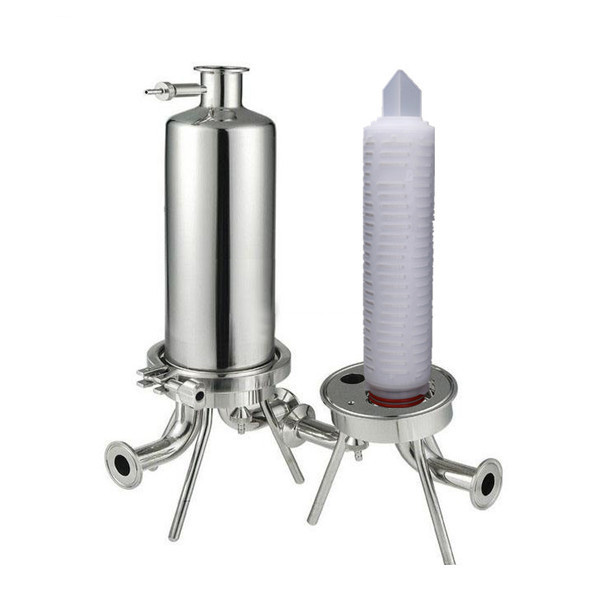
Single cartridge membrane microporous filter
XHFILTER is a microporous pleated filter made entirely of SUS316L or SUS304 stainless steel, with a pleated filter element as the filter element.
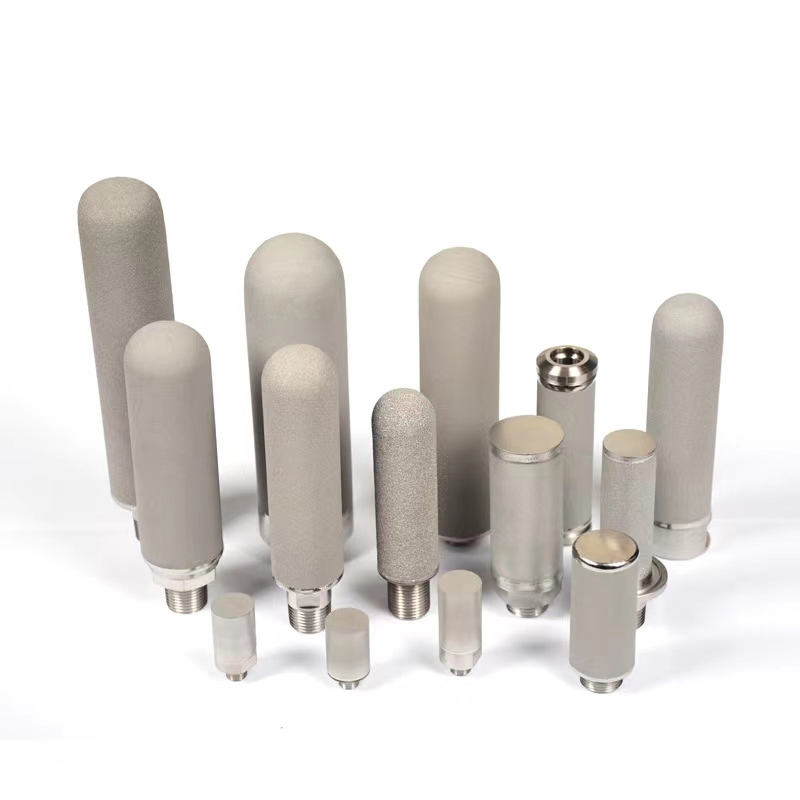
Heat Resistant Corrosion Resistant 316L Stainless Steel Filter Element
Sintered stainless steel powder filter element is manufactured by pressing stainless steel powder followed by high temperature sintering.
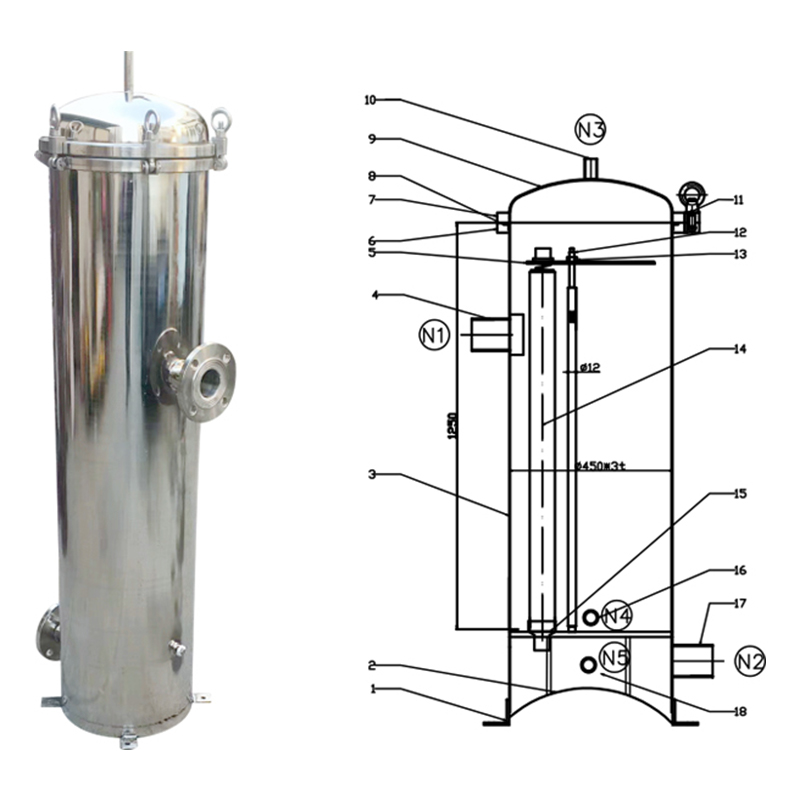
Safety fine filter
This filter consists of a cylindrical body and a tube grid. Micropores in the tube sheet are formed by polyethylene (PE) tubes located in it. The filter is assembled in a sealed cylindrical housing. The filtered medium enters the housing through the side inlet and is cleaned through filter tubes, after which the liquid is discharged through the lower pipe.
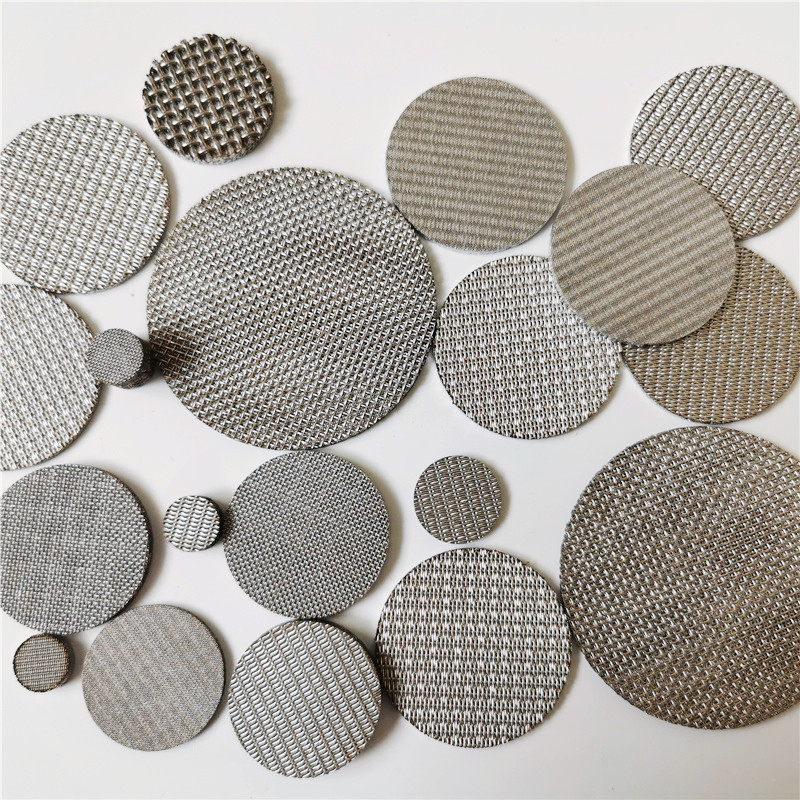
Multilayer sintered mesh filter disc
Standard five-layer sintered mesh filter elements are made by twisting five-layer sintered mesh filter media.
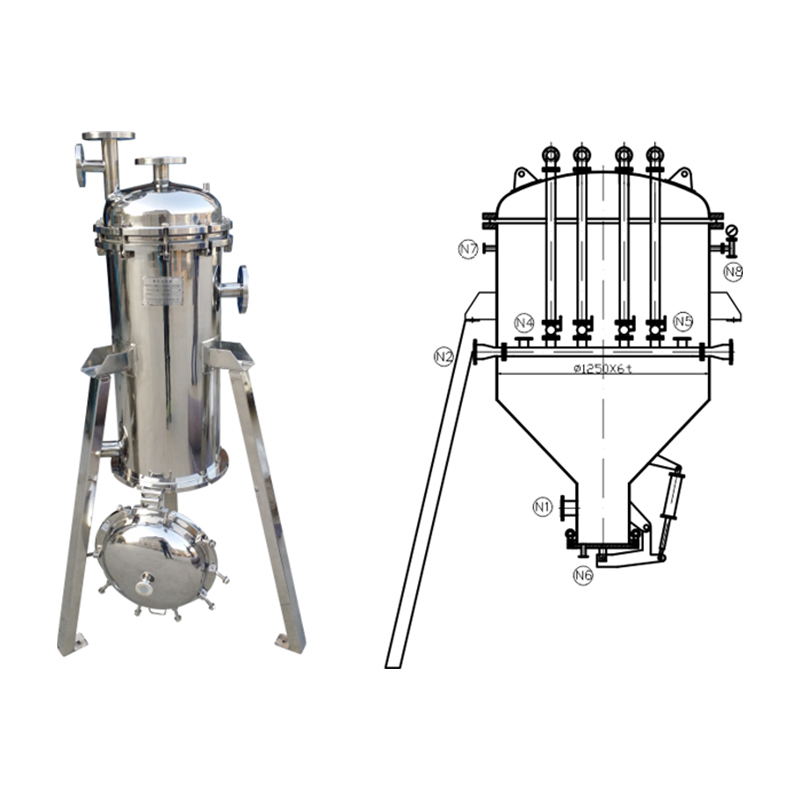
Filter without residual liquid
The filter housing is made of high quality 316L or 304 stainless steel, the outer and inner surfaces are mirror polished.
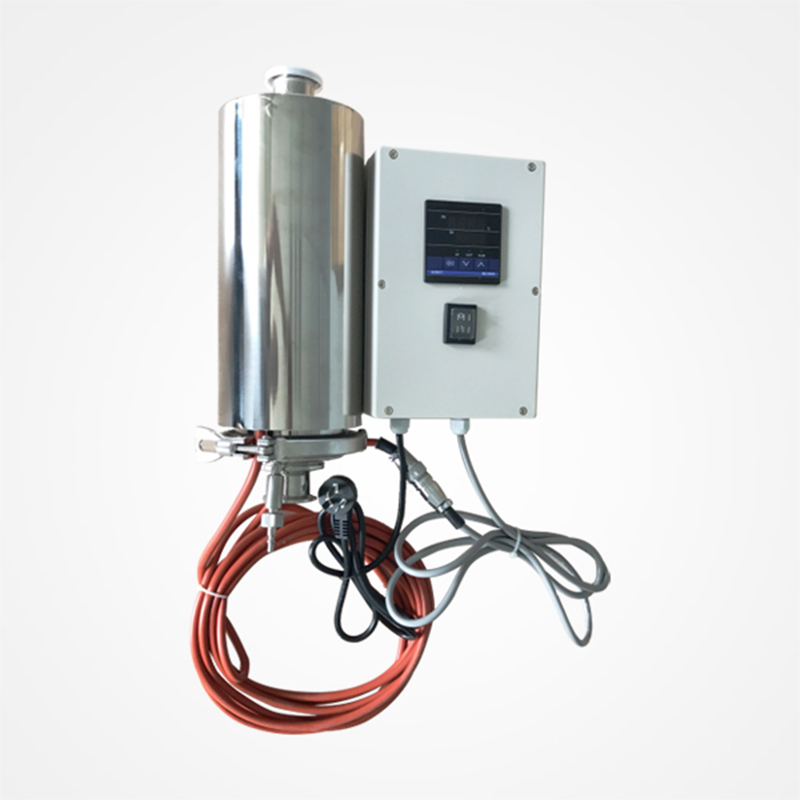
Electrically heated breathing filter
The automatic breathing filter with heating and temperature control is designed in strict accordance with GMP requirements and is a high-tech product independently developed and manufactured by Wenzhou Weixian Light Machinery Co.,Ltd.


