

Products
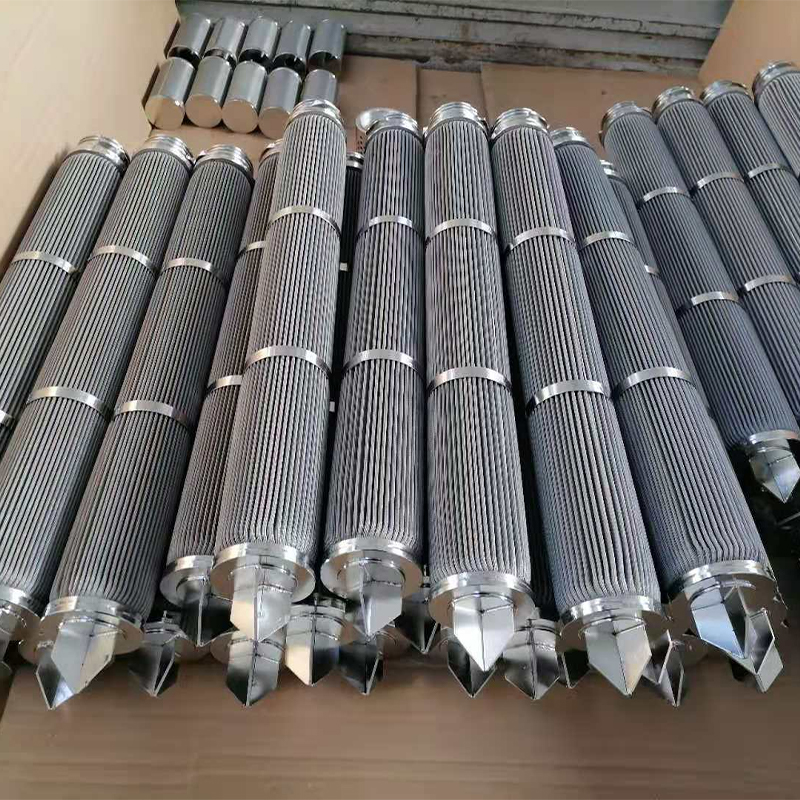

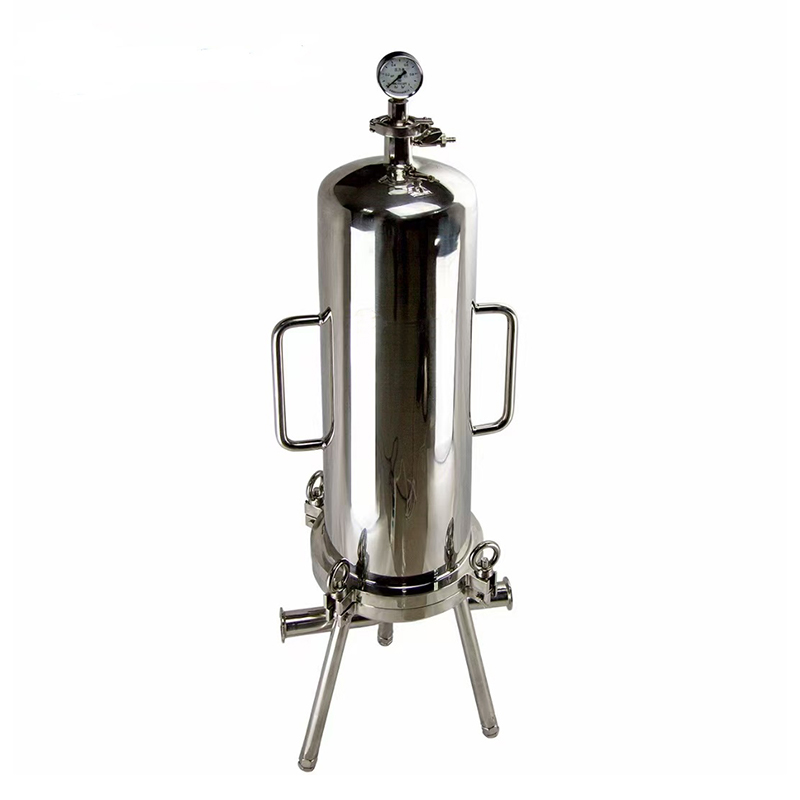
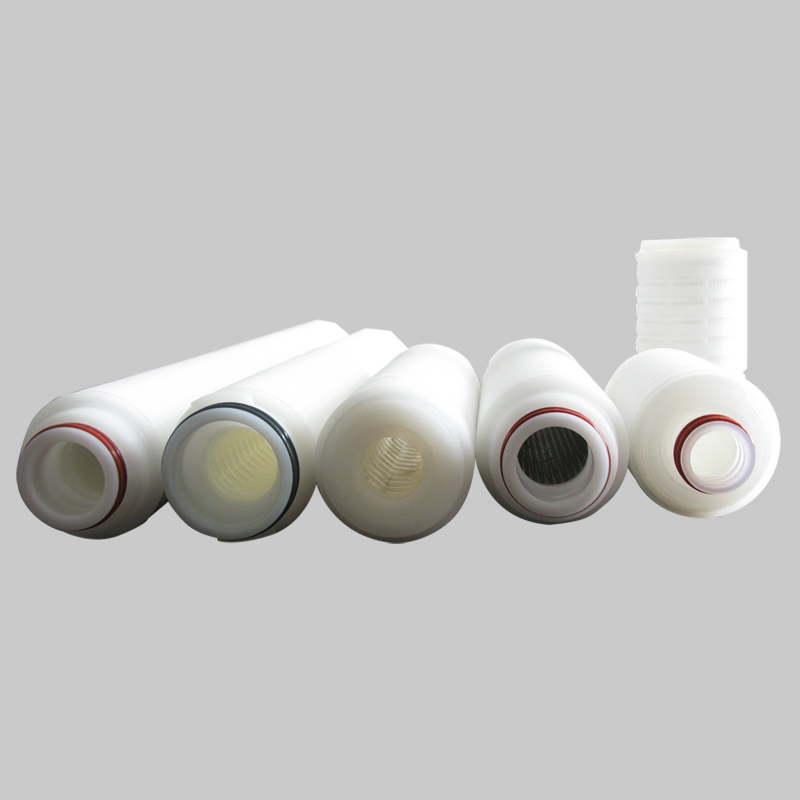
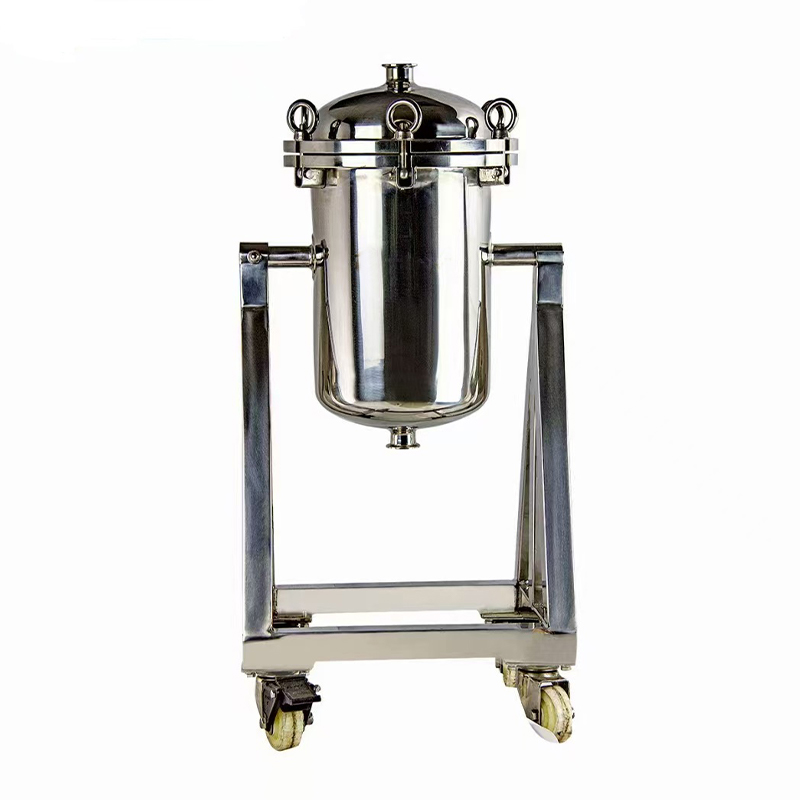
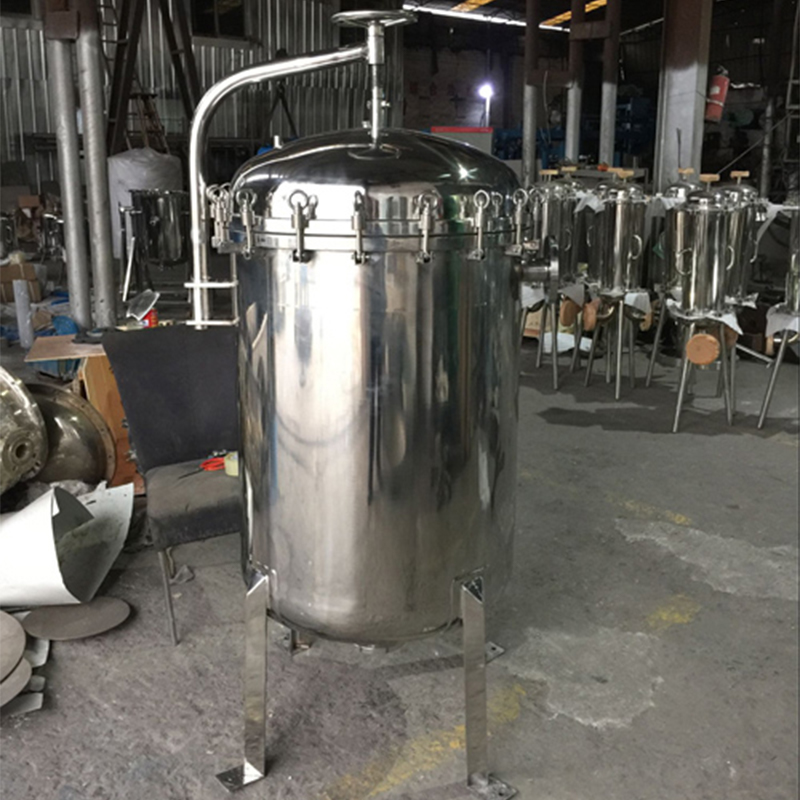
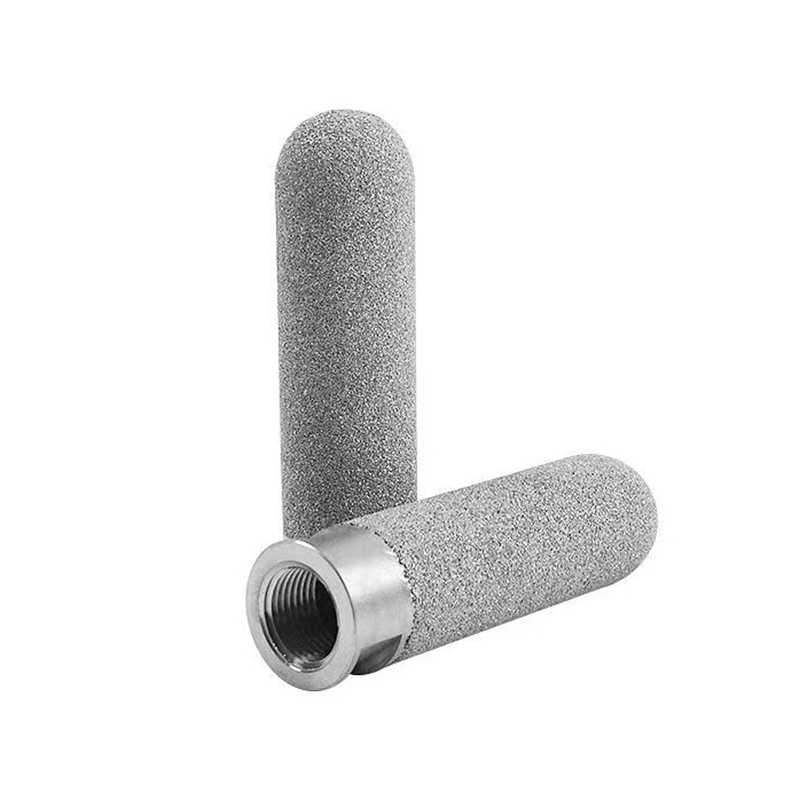
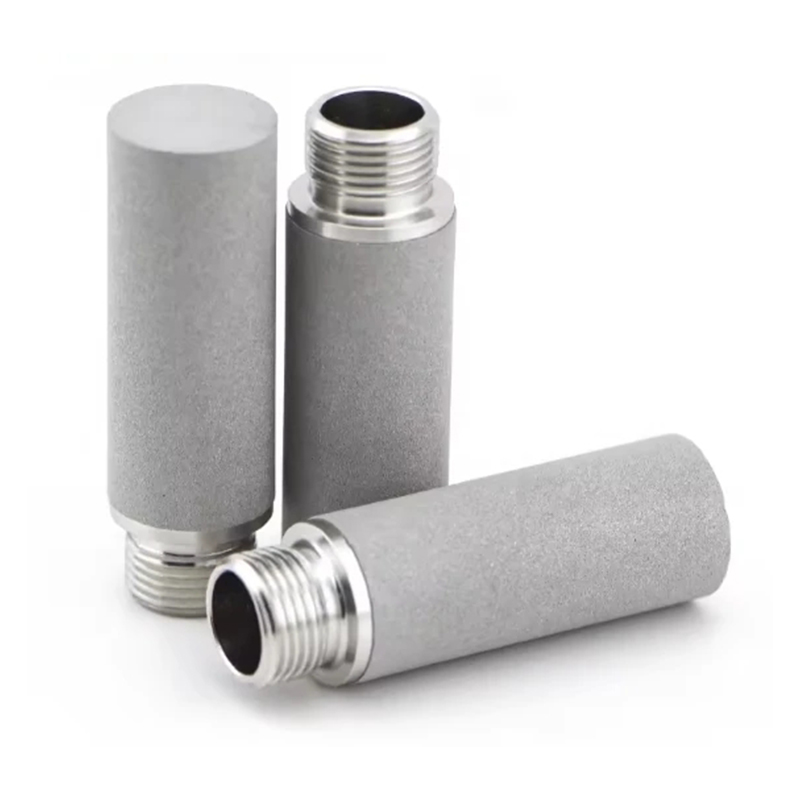
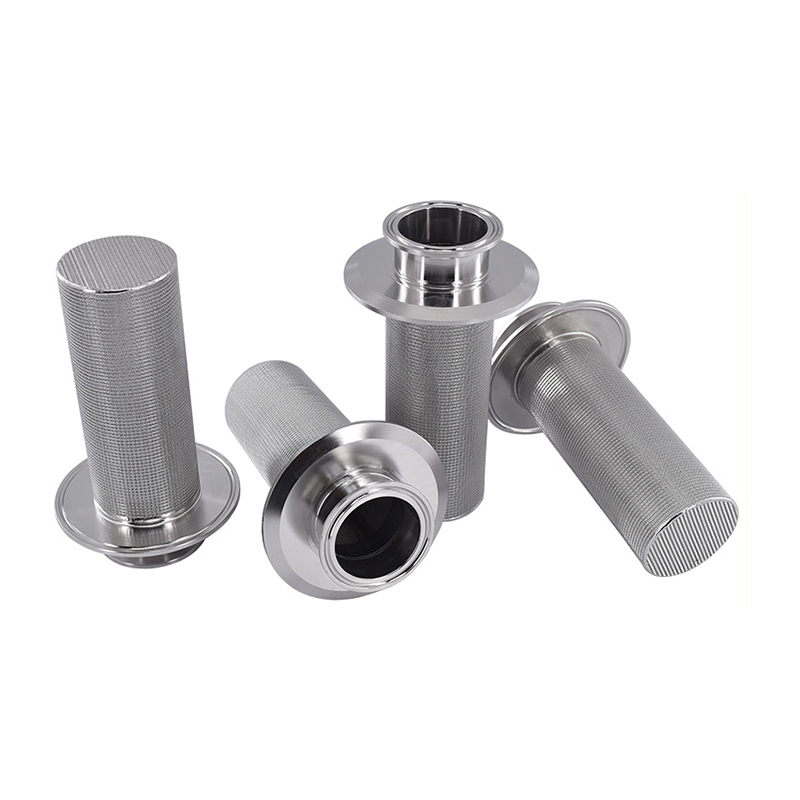
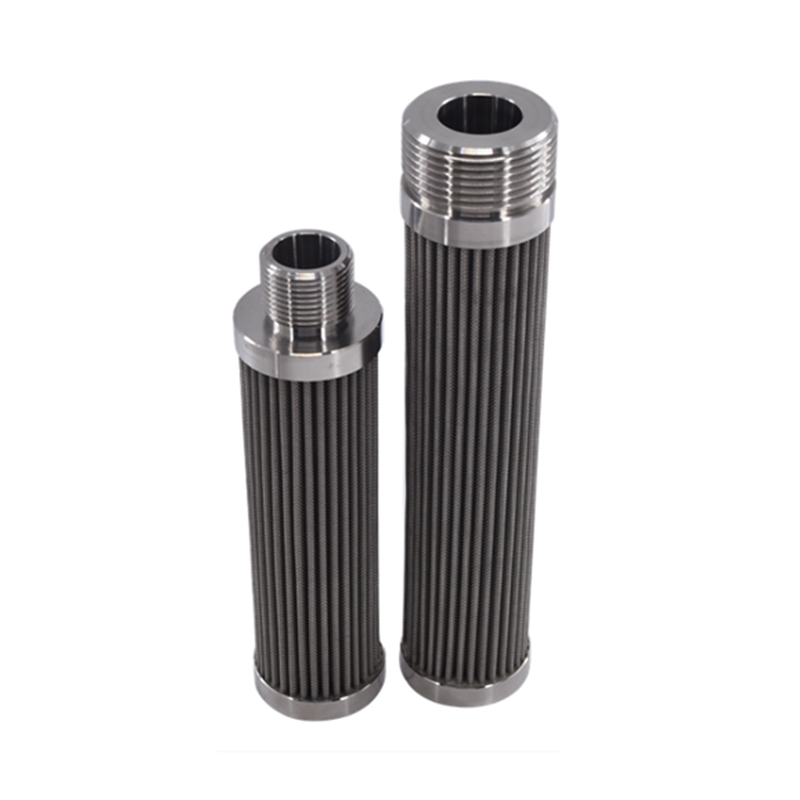
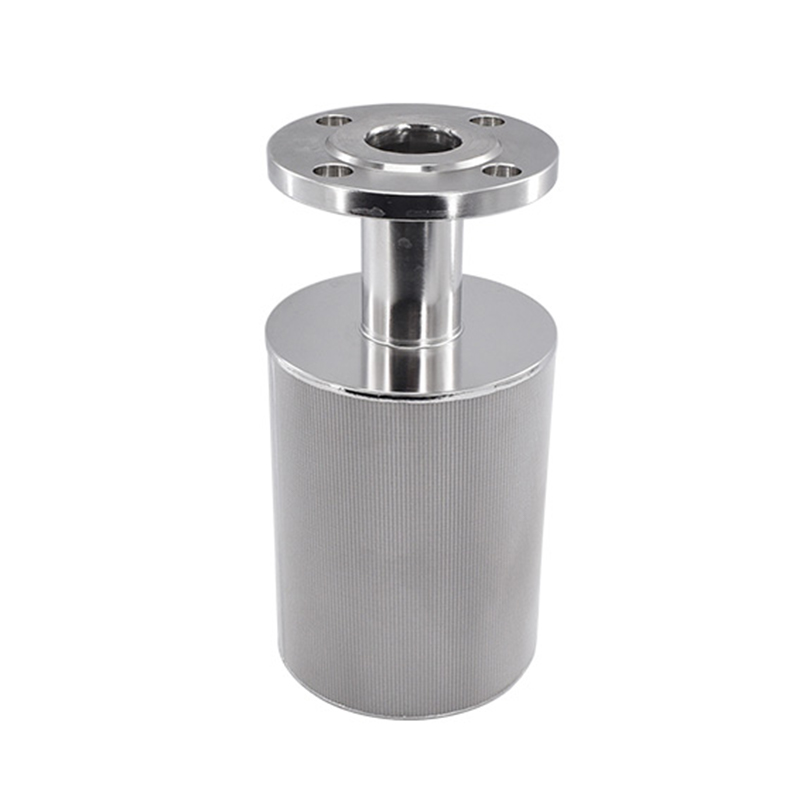
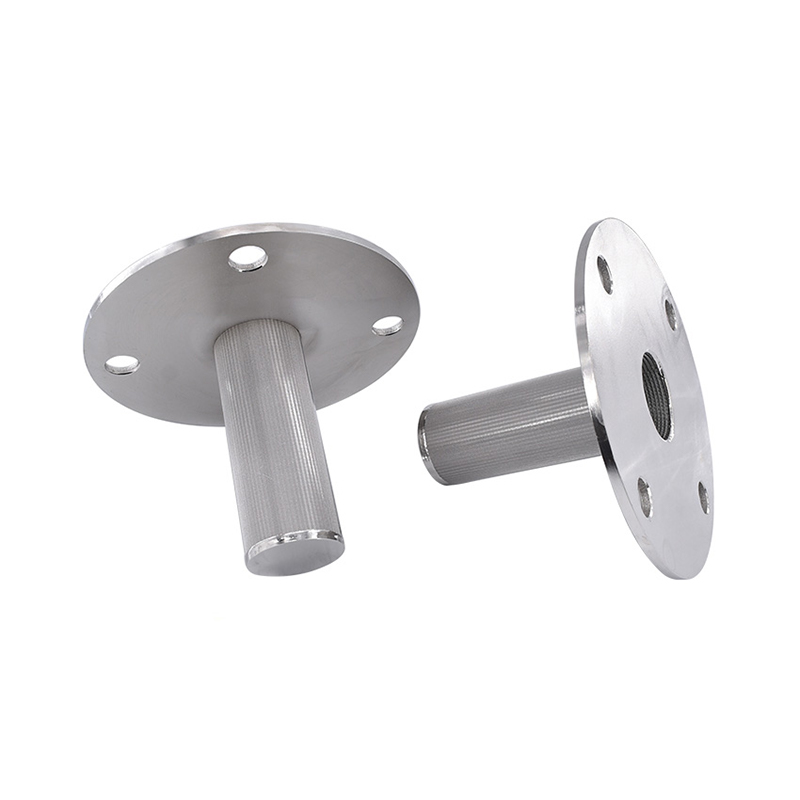
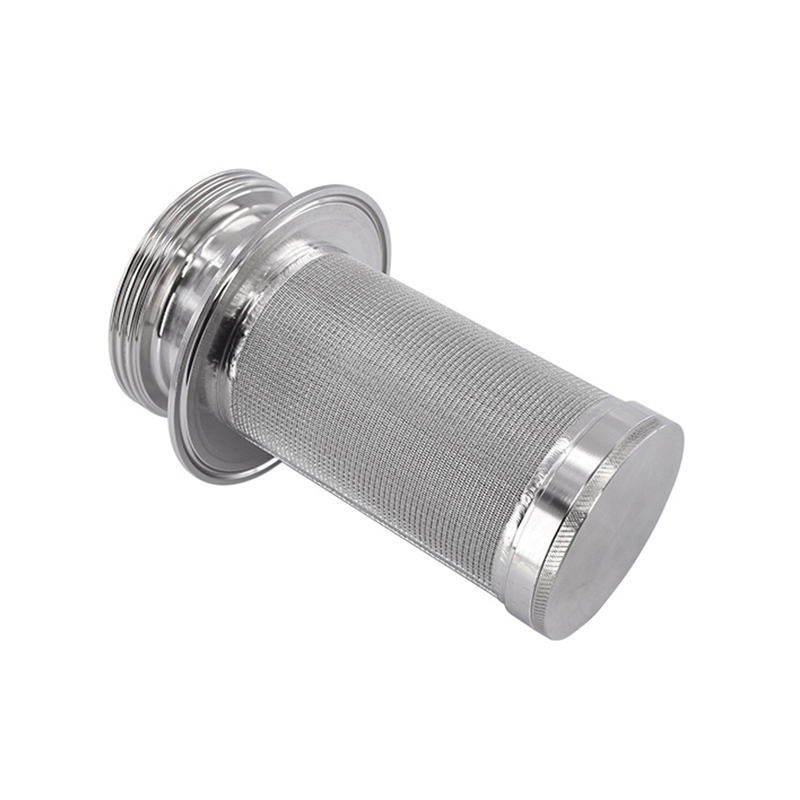
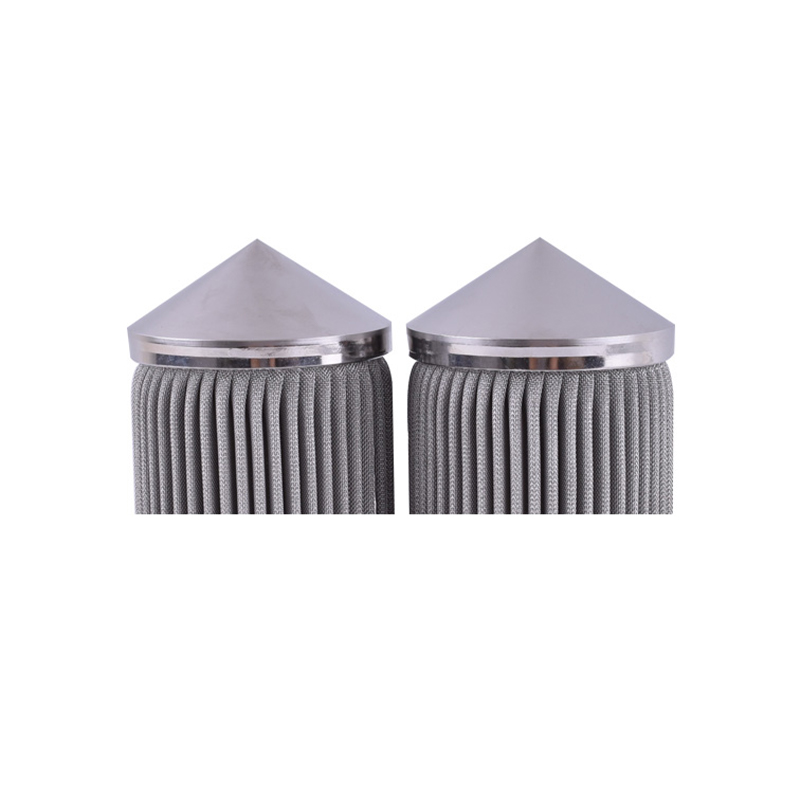
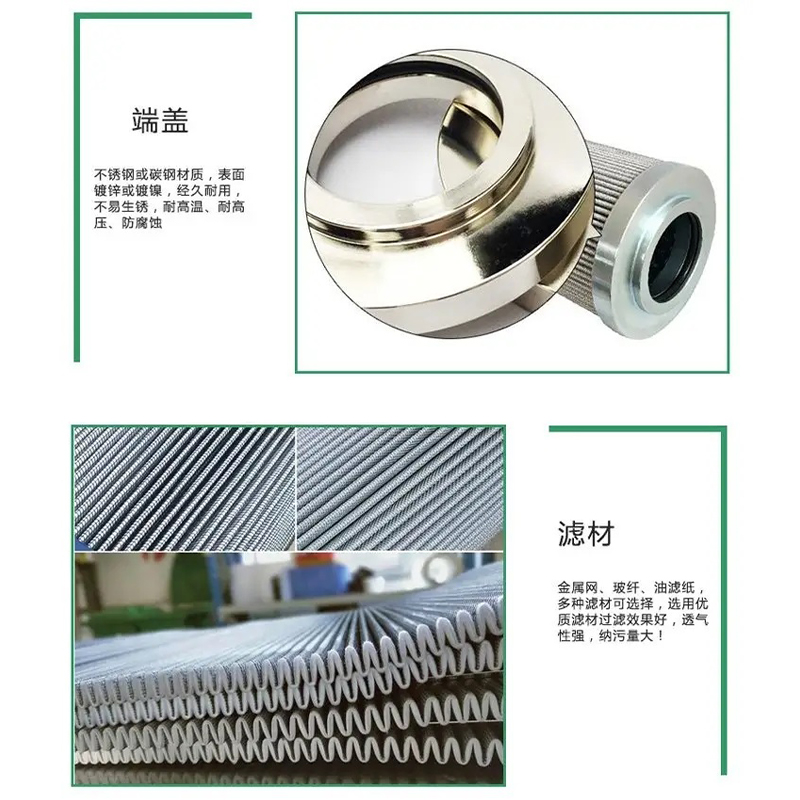
Stainless steel sintered felt pleated filter element - for melts, steam, heat resistant, high porosity
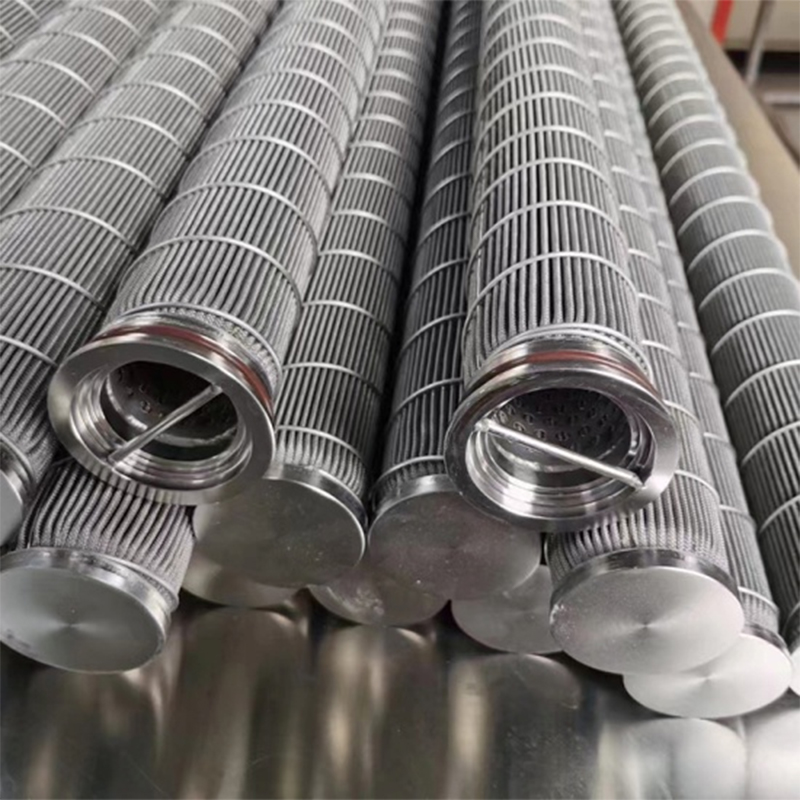
The main filter material of the pleated sintered felt filter element is sintered felt made of stainless steel fiber. Sintered felt made of stainless fiber is used as the core filter layer.
Description
marker
Product Description
Pleated sintered felt filter element, pleated sintered felt filter element, metal pleated filter element
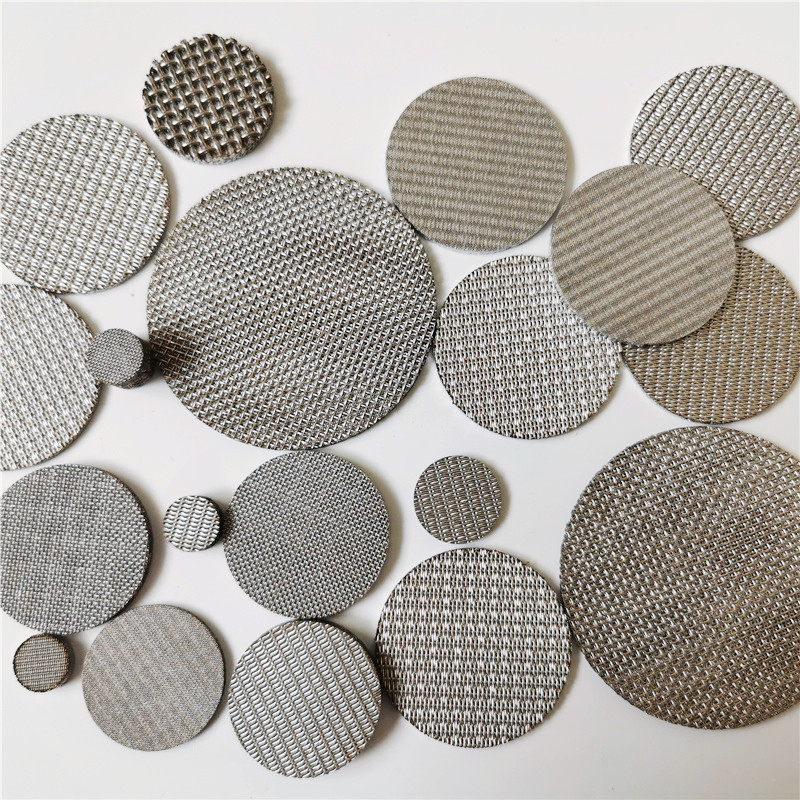
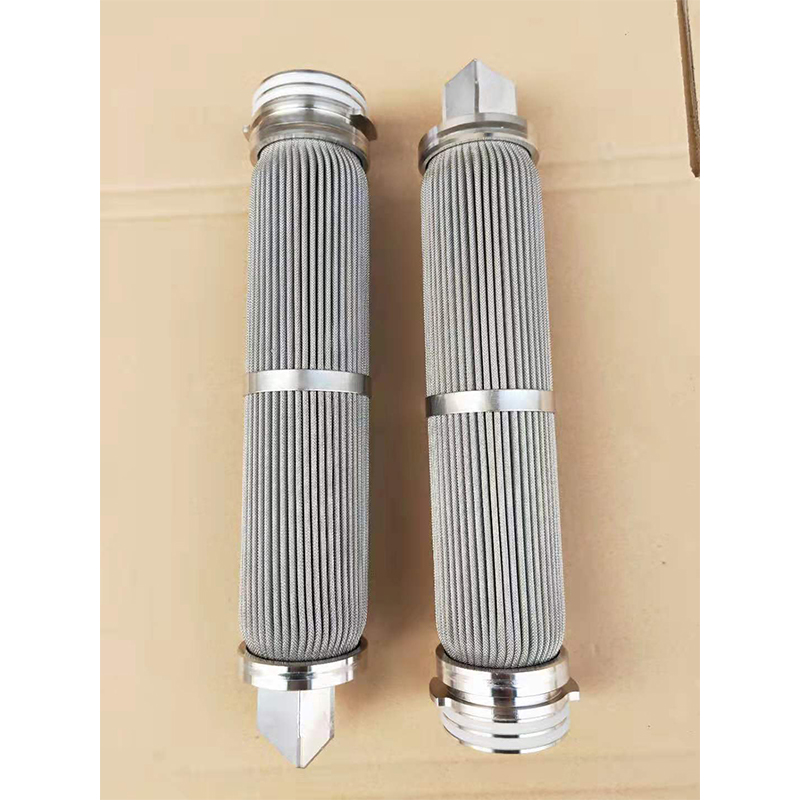
The main filter material of the pleated sintered felt filter element is sintered felt made of stainless steel fiber. Sintered felt made of stainless fiber is used as the core filter layer. Sintered stainless fiber felt is made by sintering metal fibers. Metal fibers are produced in the following manner: a number of metal wires are bundled and simultaneously drawn to the required fiber diameter, then bundled into a bundle of equal weight and standard diameter, cut, and then formed into a loose felt using a suitable method. Sintered felt is produced by sequentially laying several layers of loose felt from fibers of different diameters on top of each other, resulting in the formation of a layer of accumulated fibers of a certain thickness; the fibers intersect with each other, forming a three-dimensional porous structure, after which high-temperature vacuum sintering and subsequent rolling are carried out to obtain the finished sintered felt.
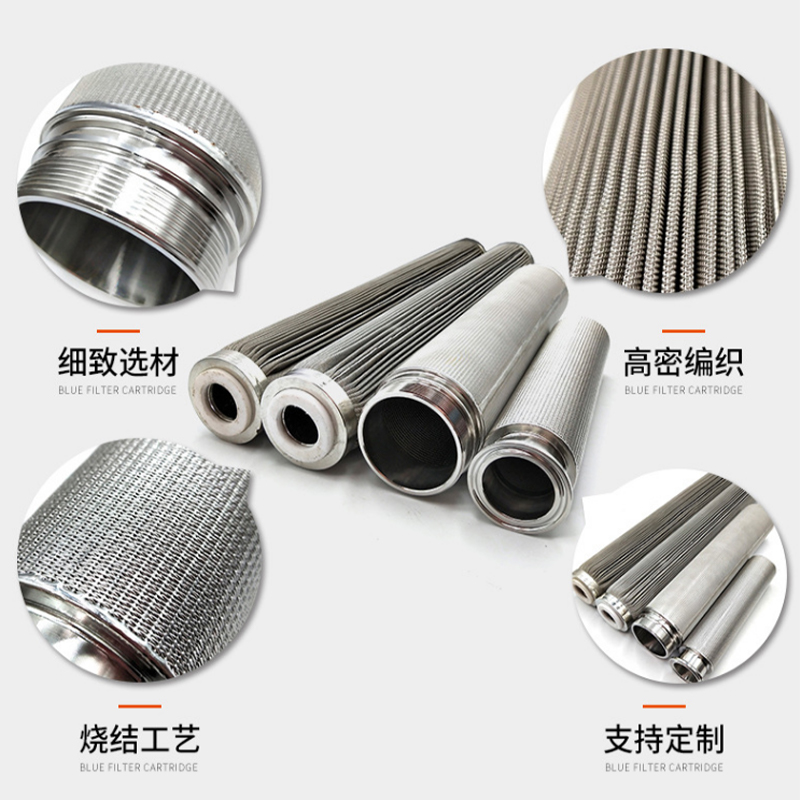
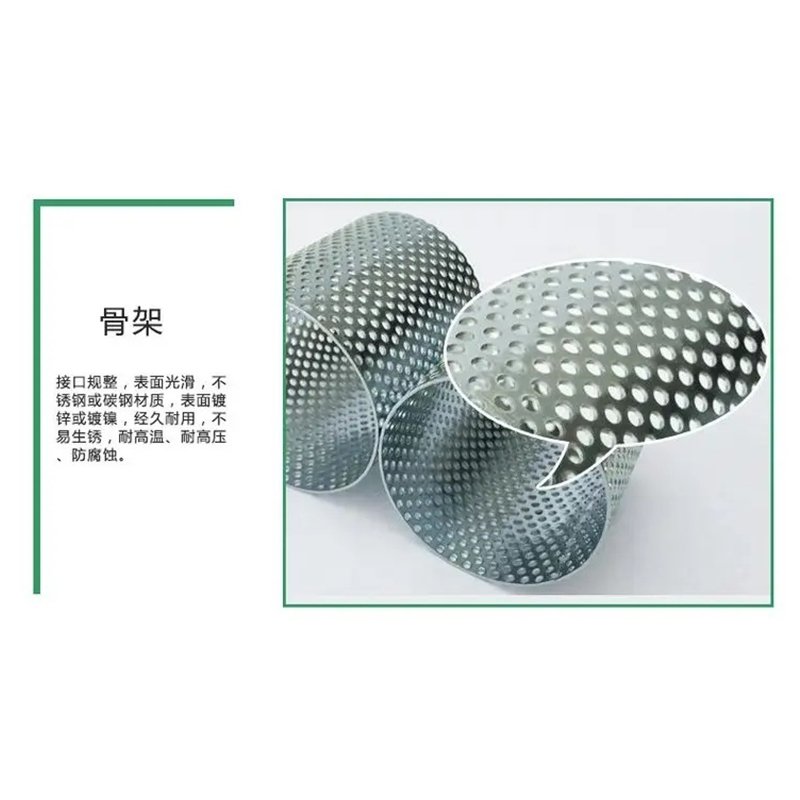
Due to the fact that the sintered felt is uniformly formed in a three-dimensional labyrinthine manner, pores of optimal size with uniform distribution are formed between the fibers; The porosity can reach more than 85%, which is twice the porosity of sintered metal powder filter elements. The stainless fiber sintered felt filter element uses a multi-layer pleated design to achieve maximum filtration area. The basic structure includes: outer protective frame, inner protective frame, precision filter layer, inner support layer and inner support frame. Due to its pleated shape, it is also called pleated filter element.


Standard Specifications of Pleated Sintered Felt Filter Element:
1. Standard material: SUS316L or iron-chromium-aluminum alloy fiber.
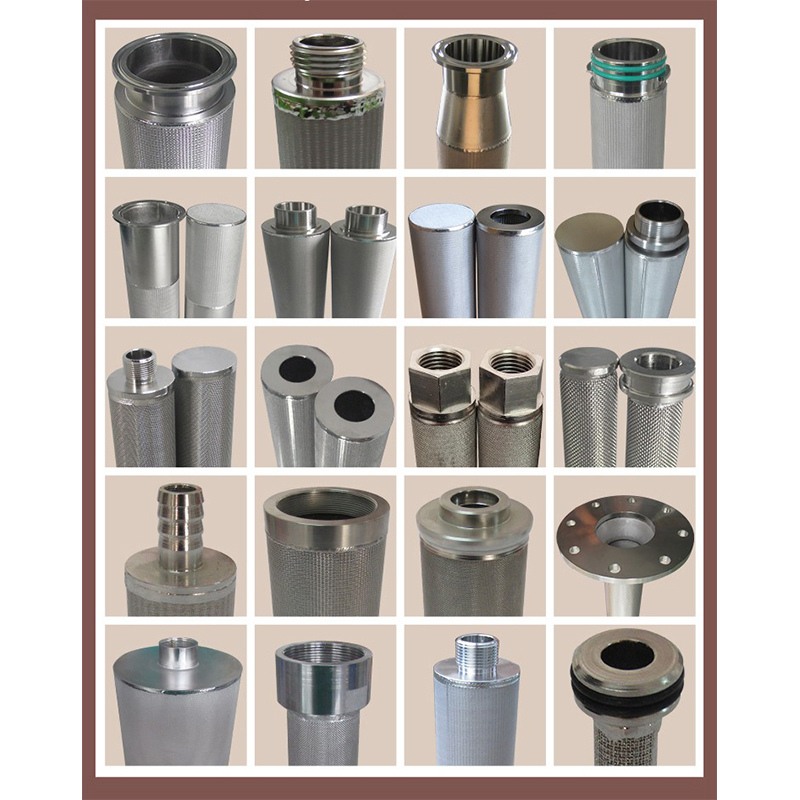
2. Standard sizes: length 100–1500 mm; standard connecting diameters: 25, 32, 40, 50 mm, etc.; Custom production is possible.
3. Filtration fineness: 1–200 microns.
4. Special specifications are made according to customer's requirements.
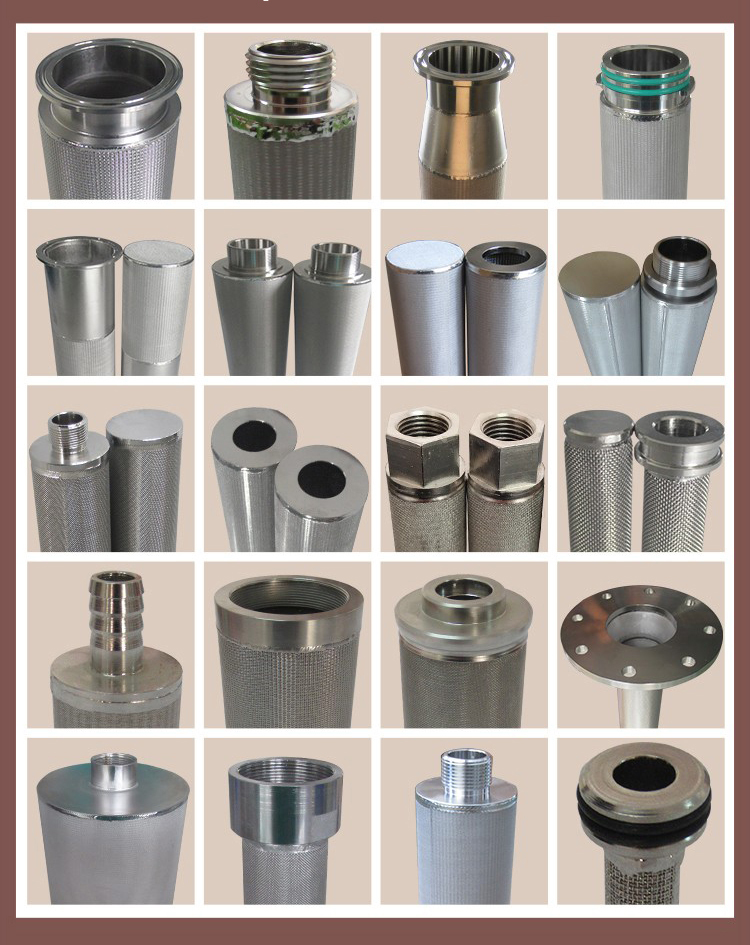
5. Connection types: 222, 220, 226, 222, standard connection, threaded connection, customized connection, pull connection, flange connection, quick release connection, etc.
Characteristics of pleated sintered felt filter element:
1. High porosity, excellent permeability, large flow rate, excellent dirt holding capacity.
2. Corrosion resistance, heat resistance, resistance to acids and alkalis, organic solvents, chemical reagents, etc.
3. High filtration precision, excellent mechanical strength, ability to withstand pressure drop up to 6.9 MPa; Suitable for filtering polymer melts.
4. Ease of processing and welding.
5. Long service life before replacement, easy cleaning by backwashing.


Interface Specifications
contact us
Related Popular Products
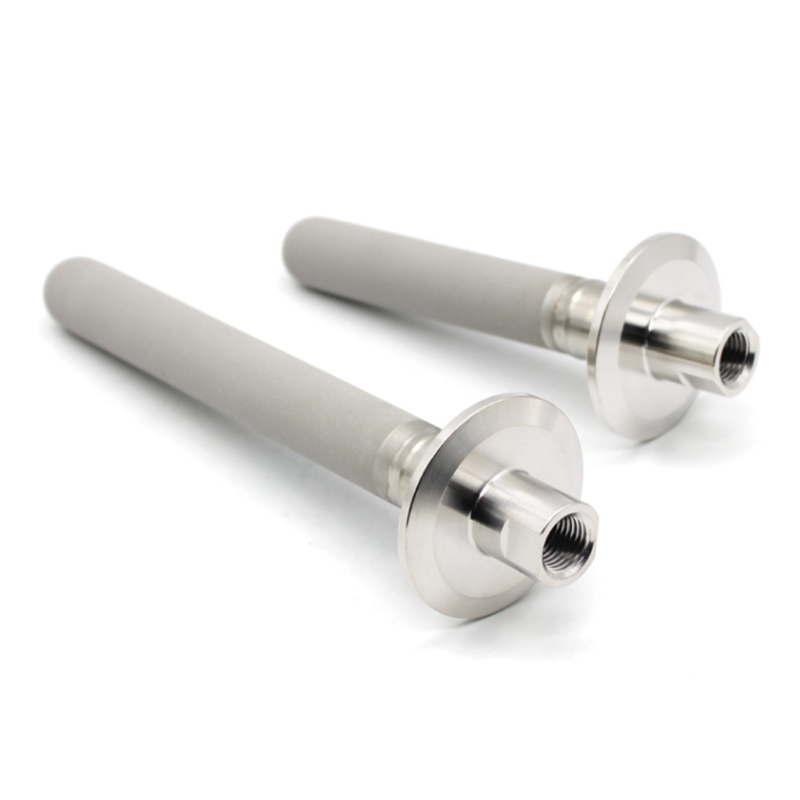
316L stainless steel filter element for beer wort aeration
Sintered stainless steel powder filter element is manufactured by pressing stainless steel powder followed by high temperature sintering.
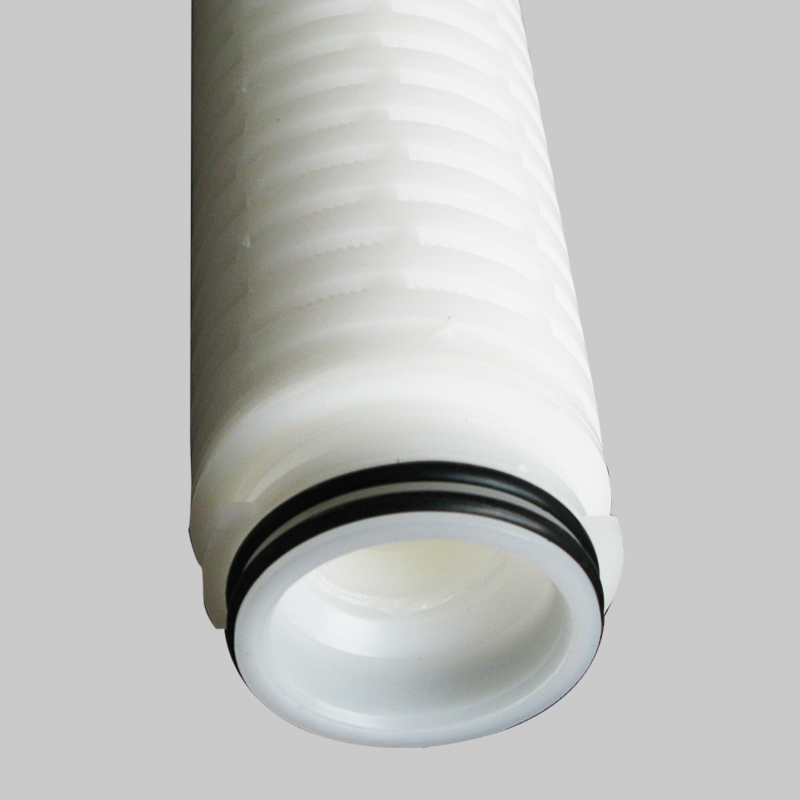
Hydrophilic pleated filter element made of polytetrafluoroethylene
The filtration membrane is made of hydrophilic polytetrafluoroethylene (PTFE). The product is assembled by heat welding with an internal support frame made of polypropylene or stainless steel. The hydrophilic membrane is resistant to strong acids and alkalis, high temperatures and ozone, suitable for clarifying and sterilizing filtration of highly corrosive, highly oxygenated liquids and organic solvents.
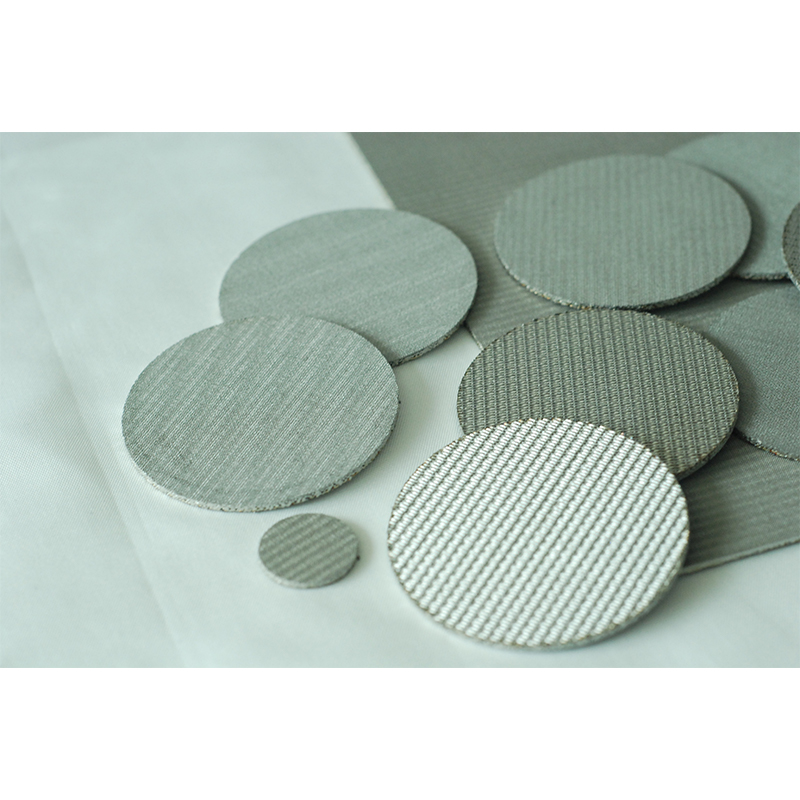
316 Stainless Steel Water Distribution Mesh for Coffee
When brewing specialty coffee, the “secondary distribution grid” is a design element that is often mentioned, but few people fully understand its purpose.
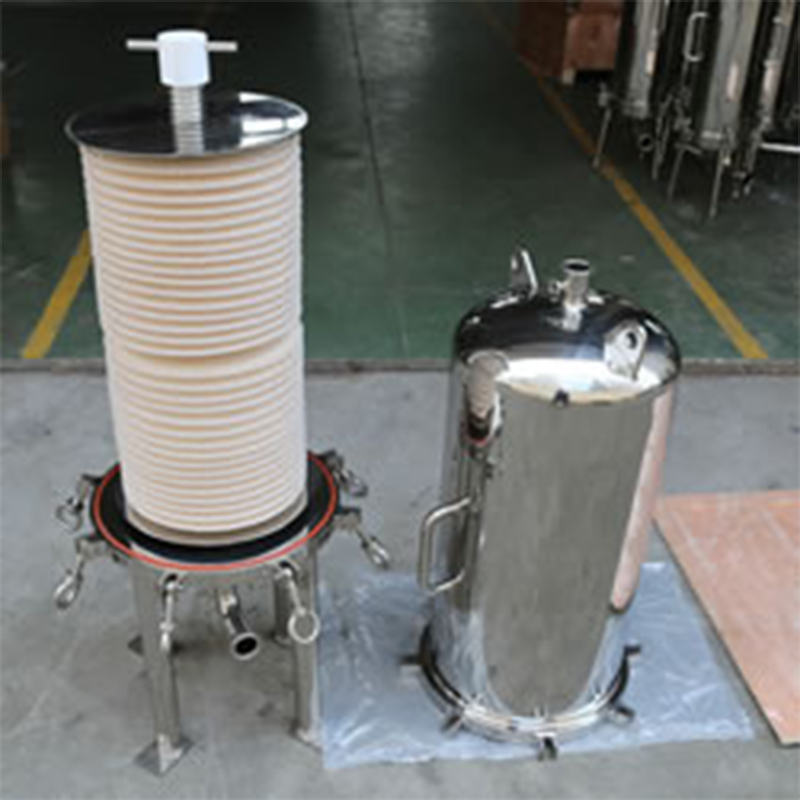
Modular filter
The horizontal bed sheet filter has a long history of use in food and beverage filtration. This filtration method belongs to depth filtration technology and is a modular closed system, especially suitable for low and medium flow rates. Sheet filters with an alluvial layer "Weixian" can be used with various types of filter cakes and are characterized by low cost. Surface treatment fully complies with hygienic requirements.
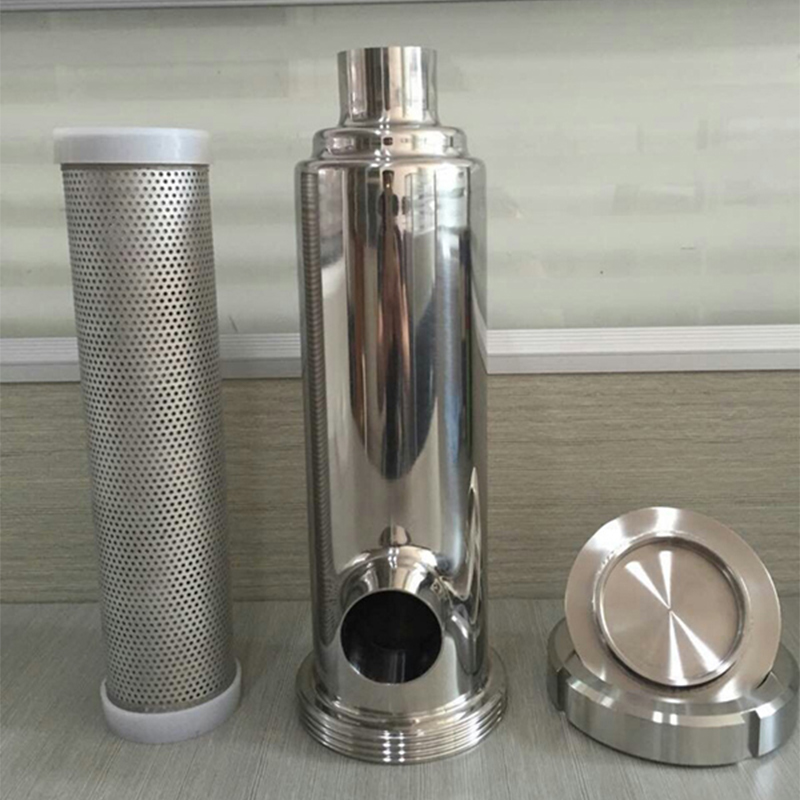
Pipe filter
The filter is a compact device for removing small amounts of solid particles from liquids and is designed to protect compressors, pumps, instrumentation and other equipment, ensuring their normal operation.
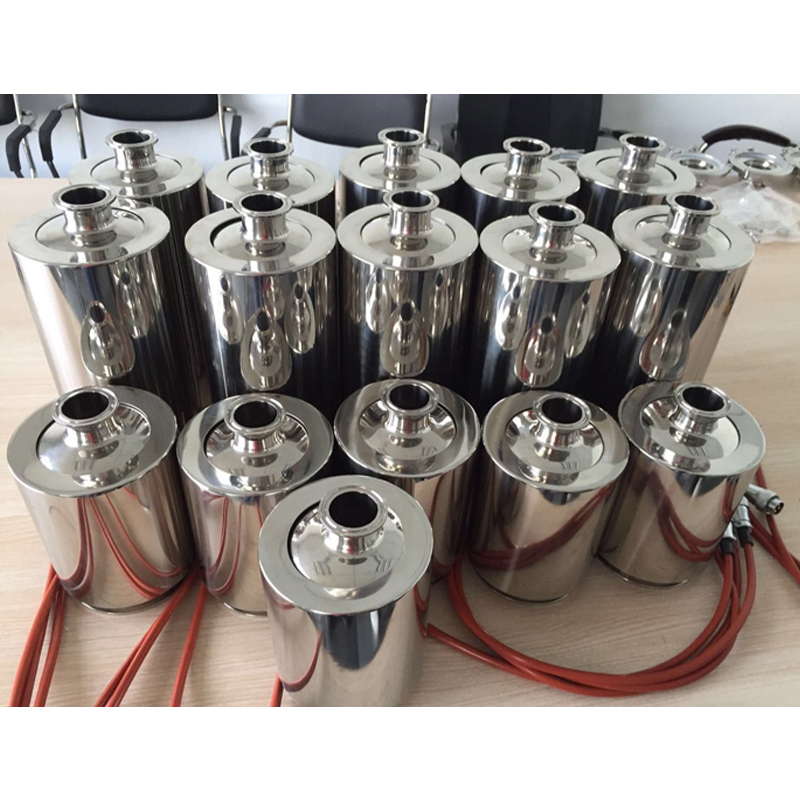
Breathing filter
The breathing filter is specially designed and manufactured to ensure sterility during gas exchange in the pharmaceutical and food industries.
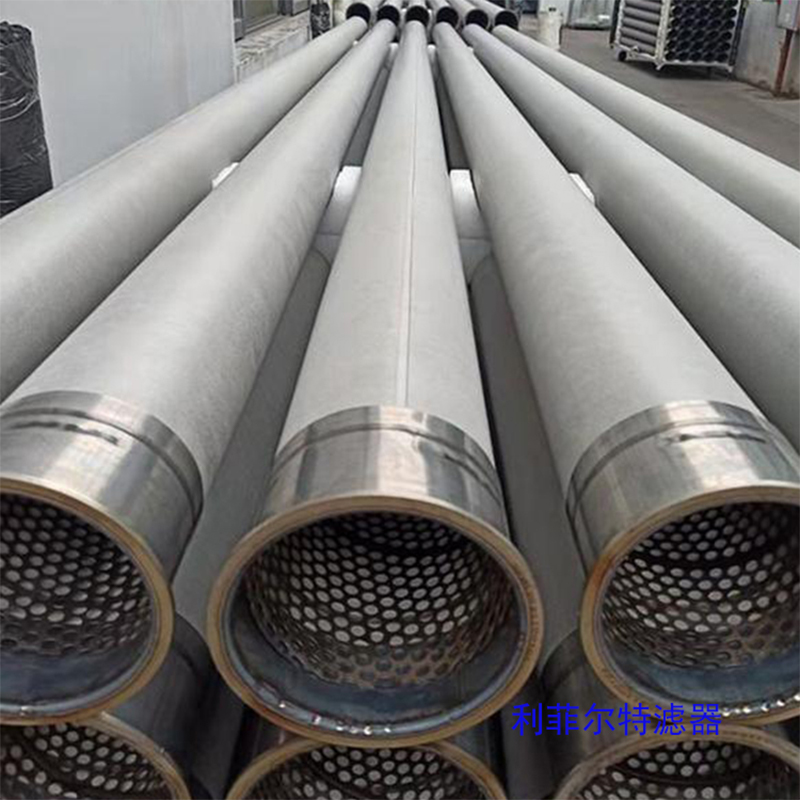
Sintered Felt Composite Filter Element with Protective Mesh, High Temperature Metal Membrane Filter Bag, Sintered Membrane Filter Cartridge - Flue Gas Dust Collection, 316L Material, Corrosion Resistant, Repeatable Flush
High Temperature Metal Filter Bag (Heat Resistant Metal Fiber Filter Bag, Metal Dust Collection Bag) - The filter material is made by non-woven sheeting and sintering of metal fibers, followed by welding the metal fiber filter cloth into the shape of a bag.
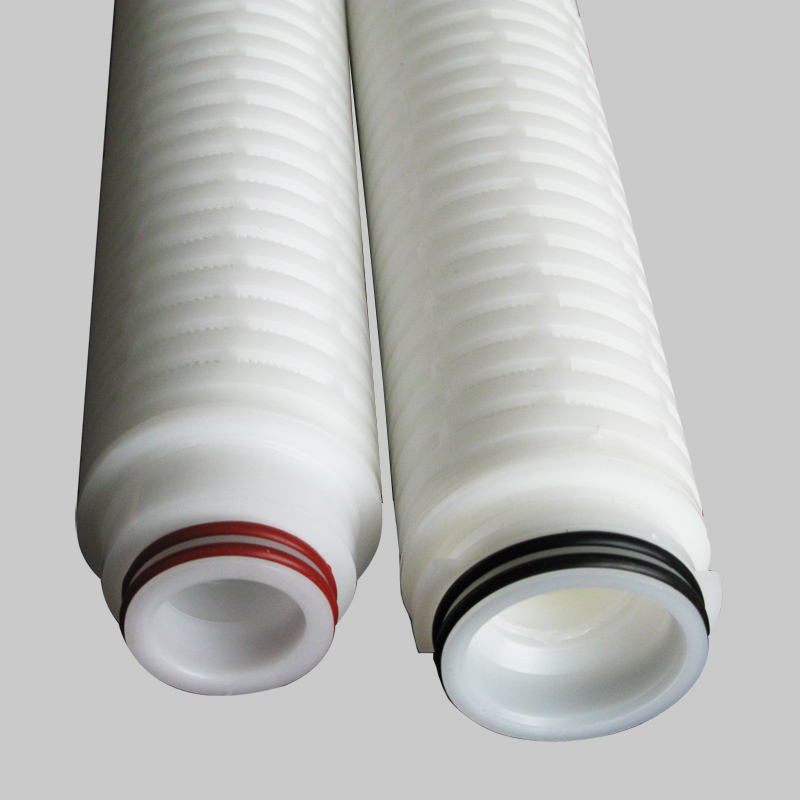
Polyethersulfone pleated filter element
The filtration membrane is a symmetrical polyethersulfone (PES) membrane manufactured using American technology. The internal support frame is made of heat-resistant polypropylene or stainless steel, all elements are connected by heat welding. The membrane has a uniform pore size, high throughput and minimal protein adsorption; Widely used for final sterilizing filtration of high flow liquids.
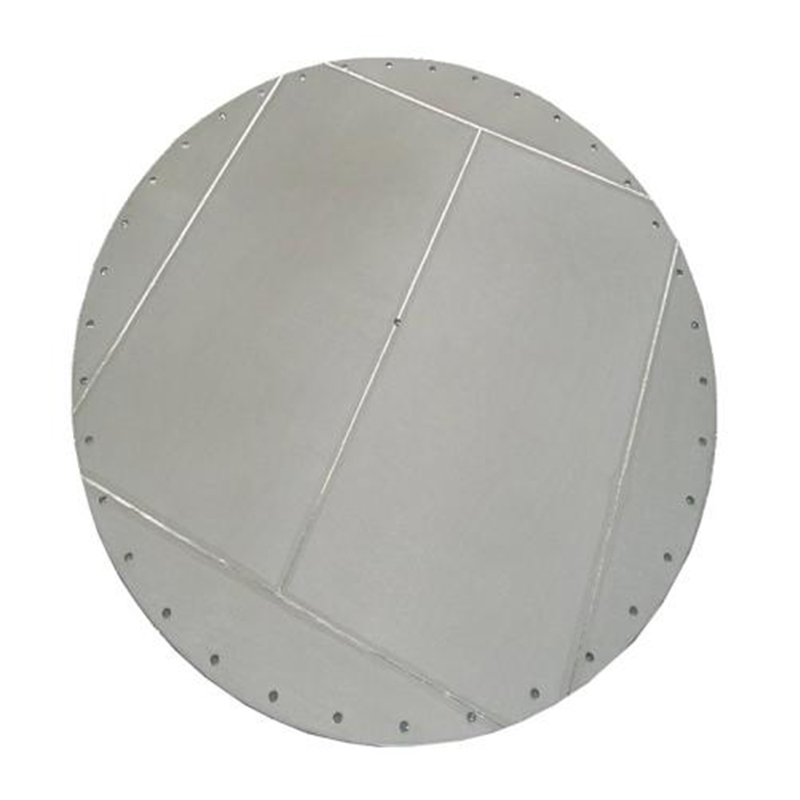
Three-in-one filter disc - filtration, washing, drying
The three-in-one filter disc for pharmaceutical equipment is a filter element that provides filtration, rinsing and drying (three in one).
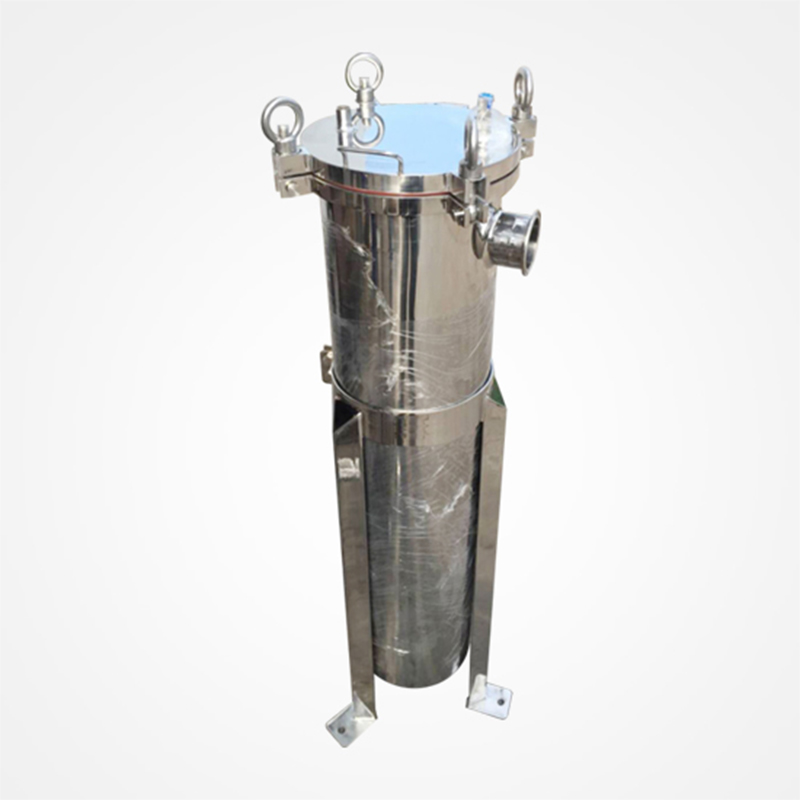
Side loading bag filter
Characteristics The bag filters are entirely made of high quality stainless steel...

Metal filter bag (dust collection of flue gases at temperatures up to 450°C)
High Temperature Metal Filter Bag (Heat Resistant Metal Fiber Filter Bag, Metal Dust Collection Bag) - The filter material is made by non-woven sheeting and sintering of metal fibers, followed by welding the metal fiber filter cloth into the shape of a bag.
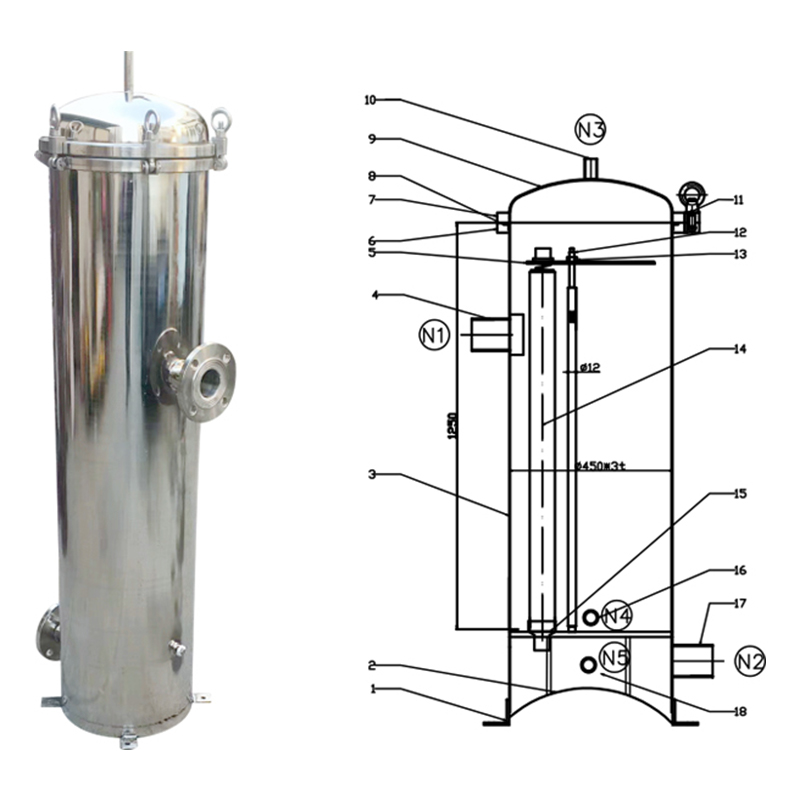
Safety fine filter
This filter consists of a cylindrical body and a tube grid. Micropores in the tube sheet are formed by polyethylene (PE) tubes located in it. The filter is assembled in a sealed cylindrical housing. The filtered medium enters the housing through the side inlet and is cleaned through filter tubes, after which the liquid is discharged through the lower pipe.
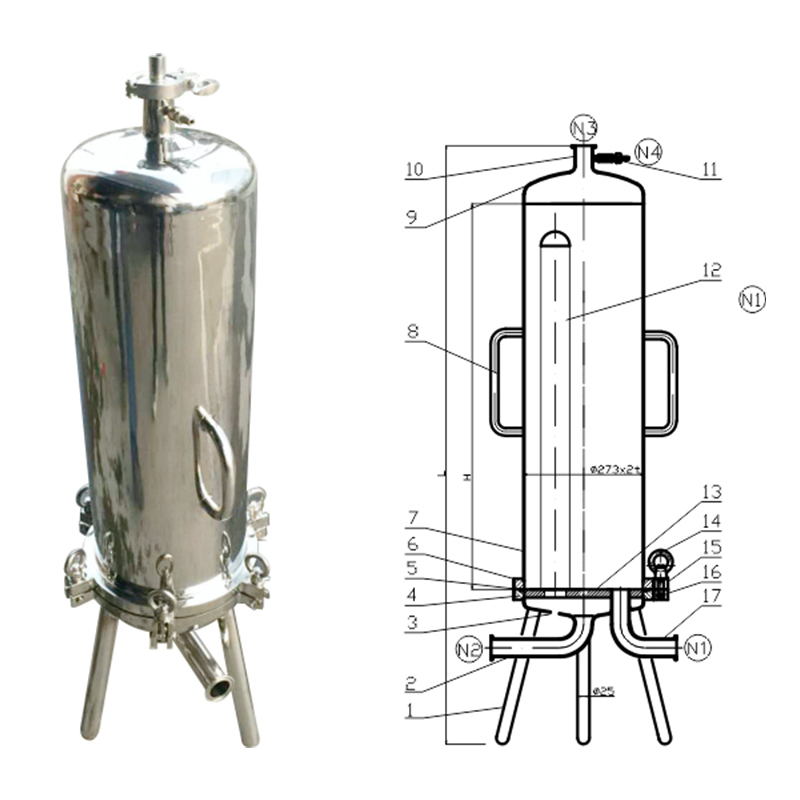
Titanium rod filter
The filter housing is made of high quality 316L or 304 stainless steel, the outer and inner surfaces are mirror polished.
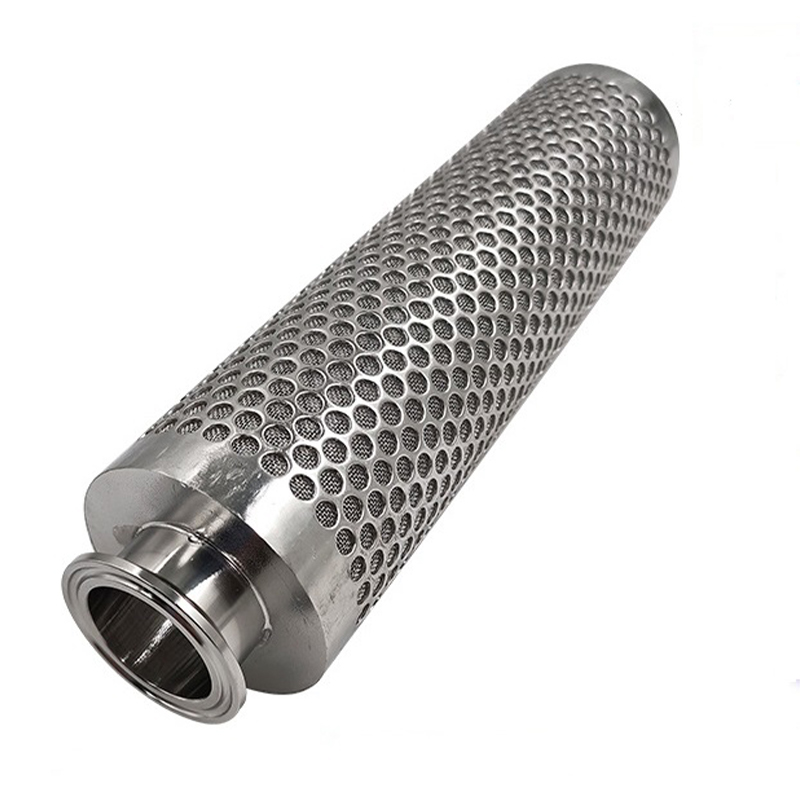
Composite sintered mesh with perforated sheet
Perforated sheet sintered mesh is a new type of filter media made by composite sintering a perforated sheet of standard material (304 or 316L stainless steel) and multiple layers of square mesh (or twill weave) into a single piece.
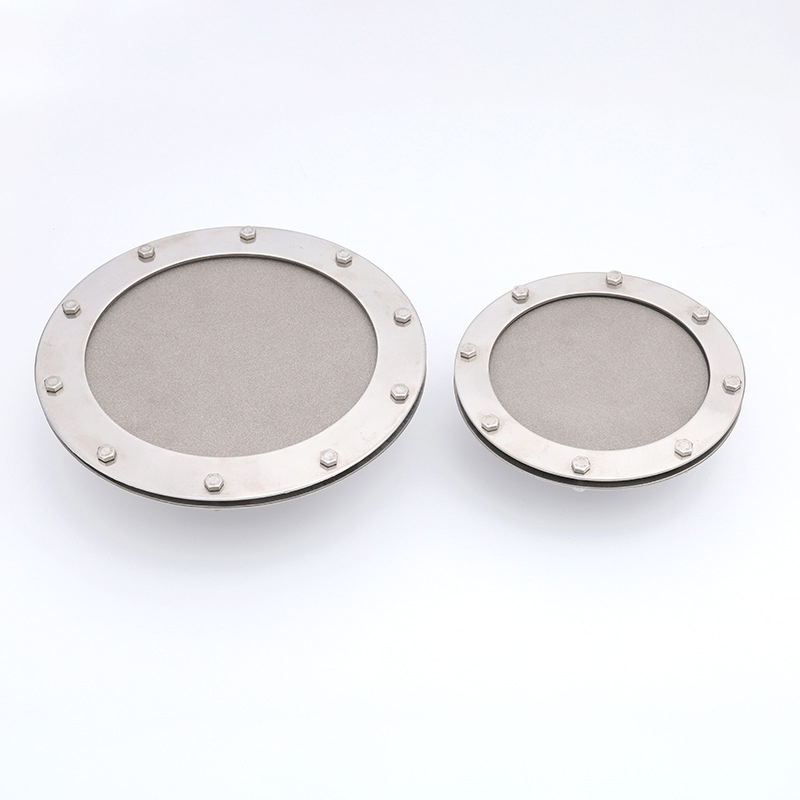
Flat aerator
The product is composed of titanium filter plate, 316L stainless steel body, 316L stainless steel flange and aerator O-ring.
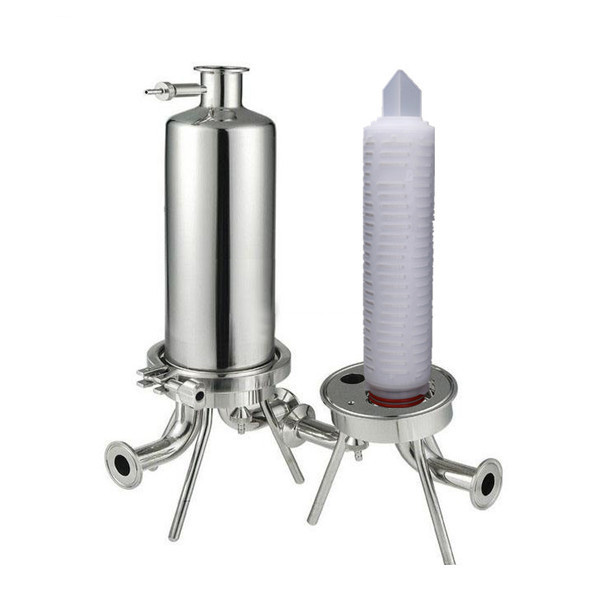
Single cartridge membrane microporous filter
XHFILTER is a microporous pleated filter made entirely of SUS316L or SUS304 stainless steel, with a pleated filter element as the filter element.


