

Products

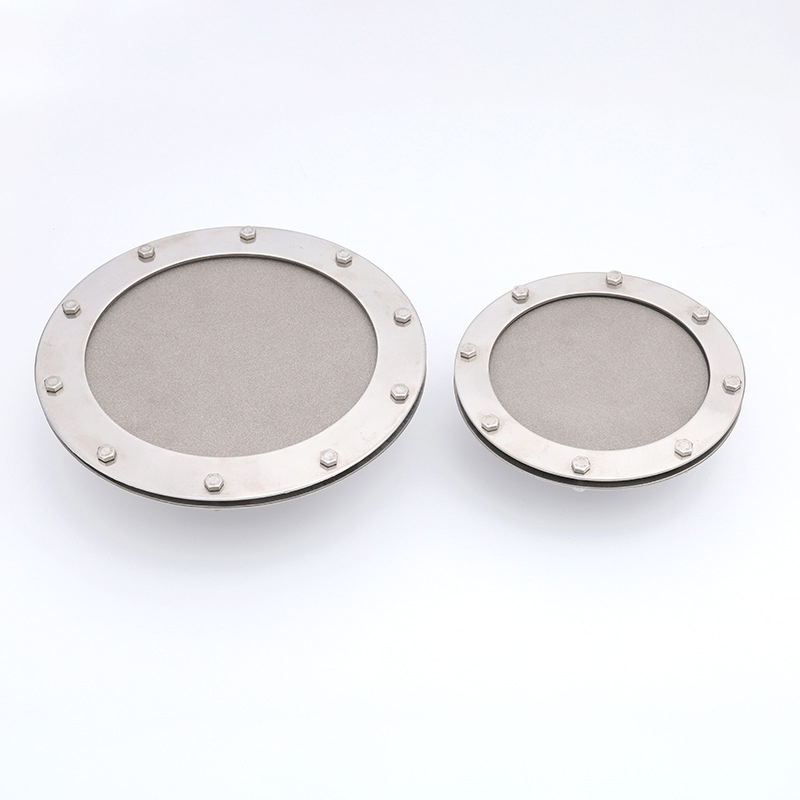
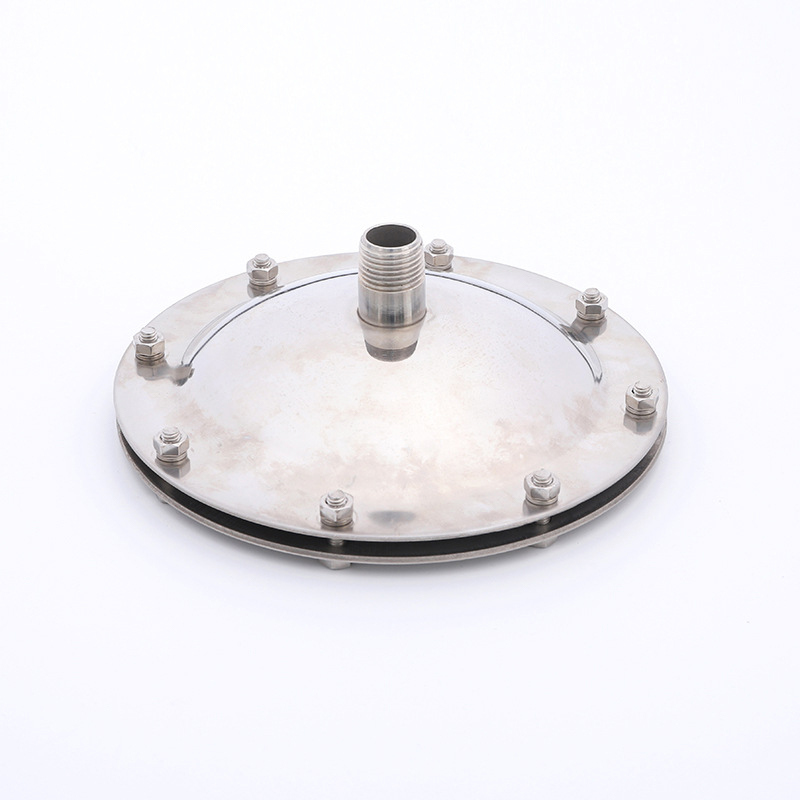
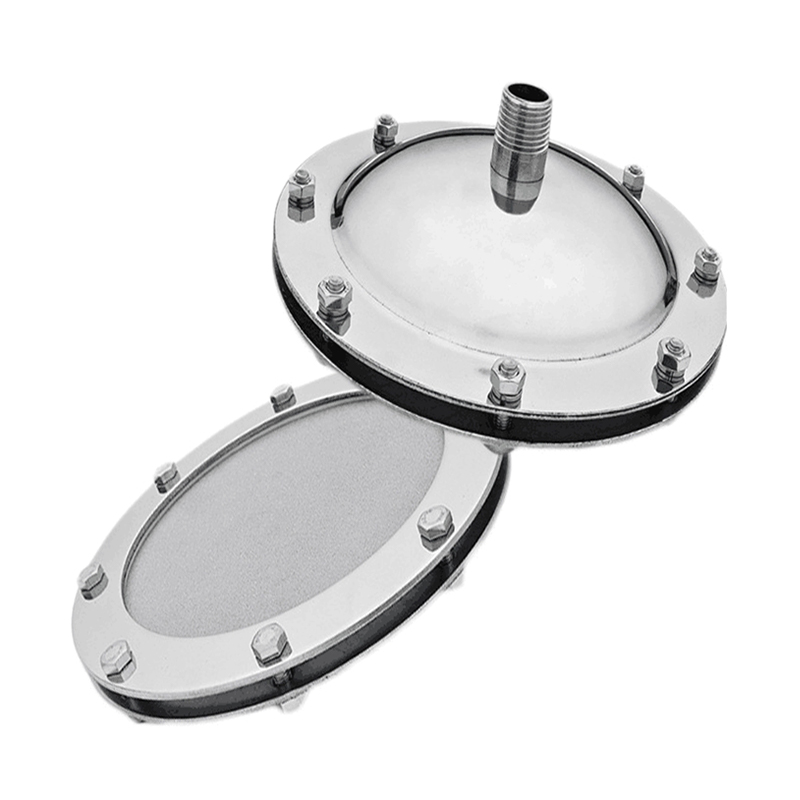
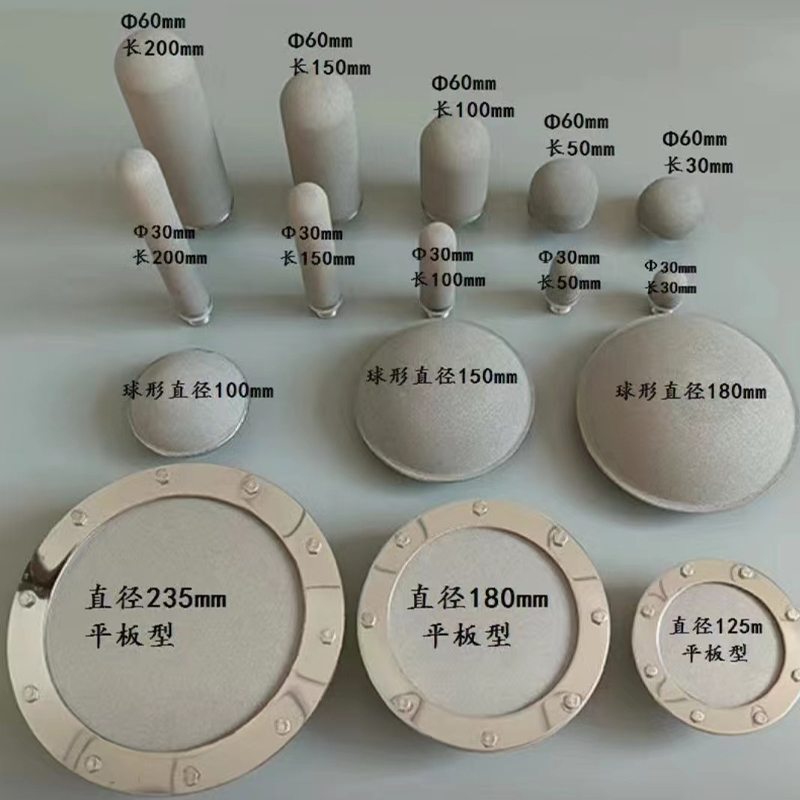
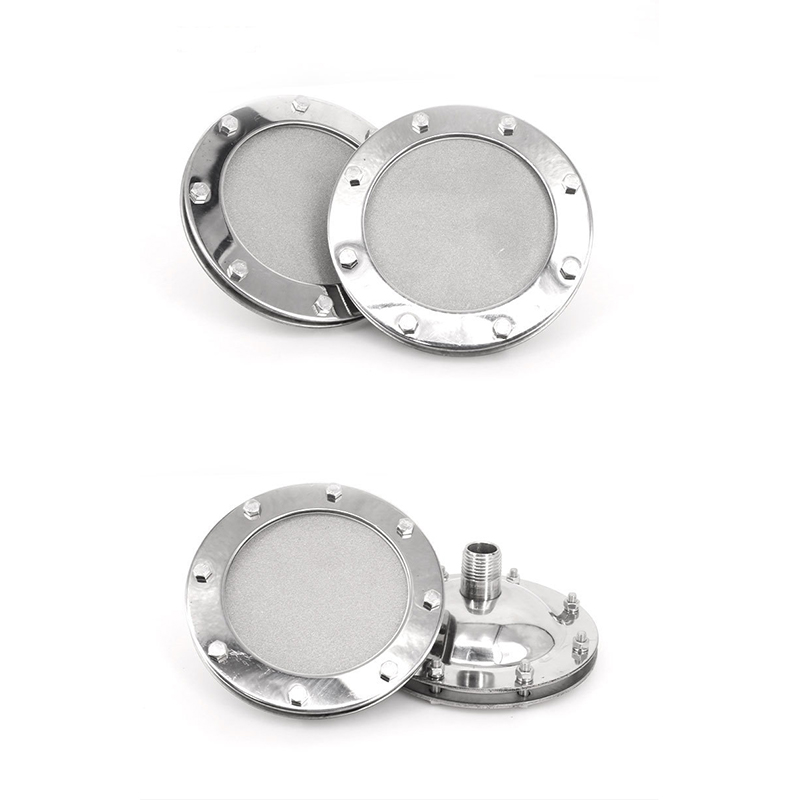
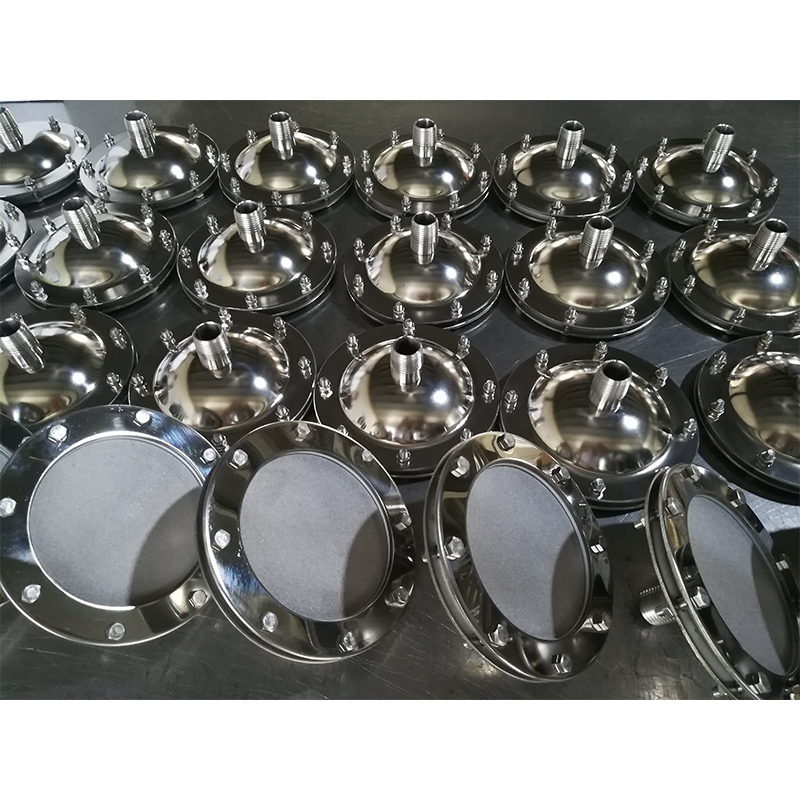
Flat aerator
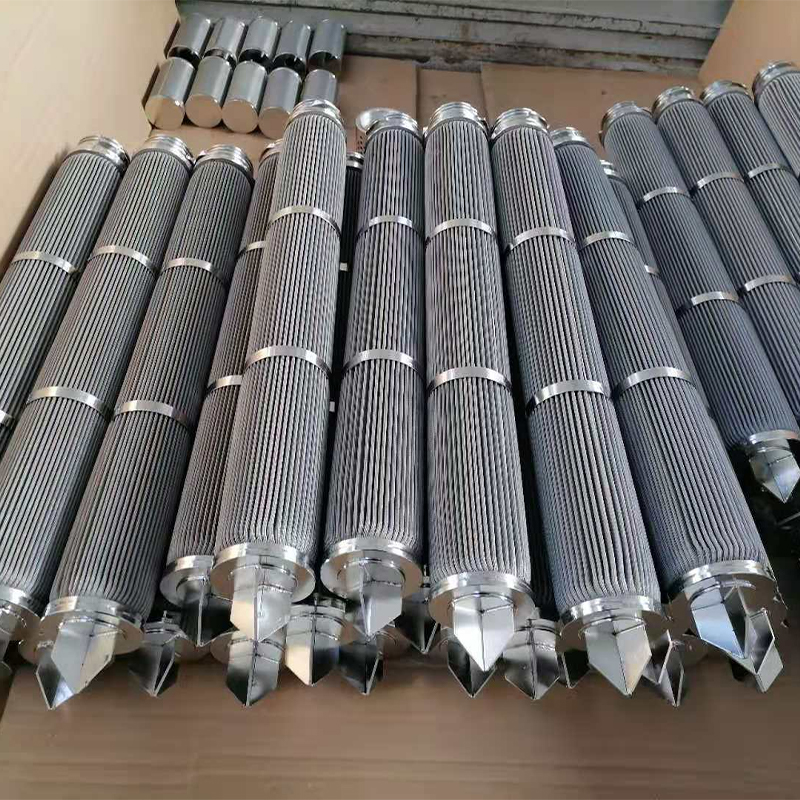
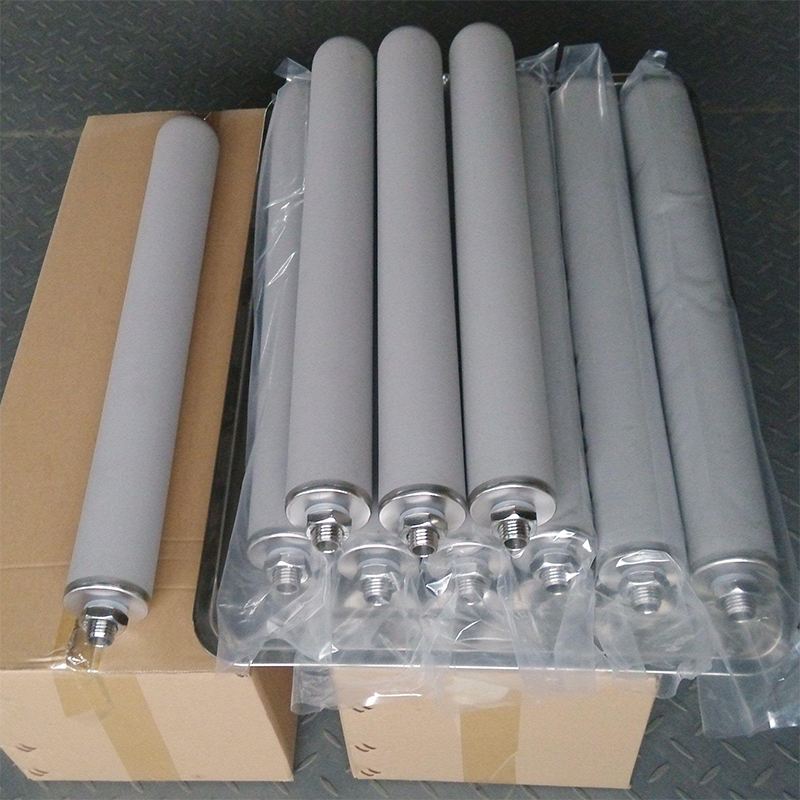
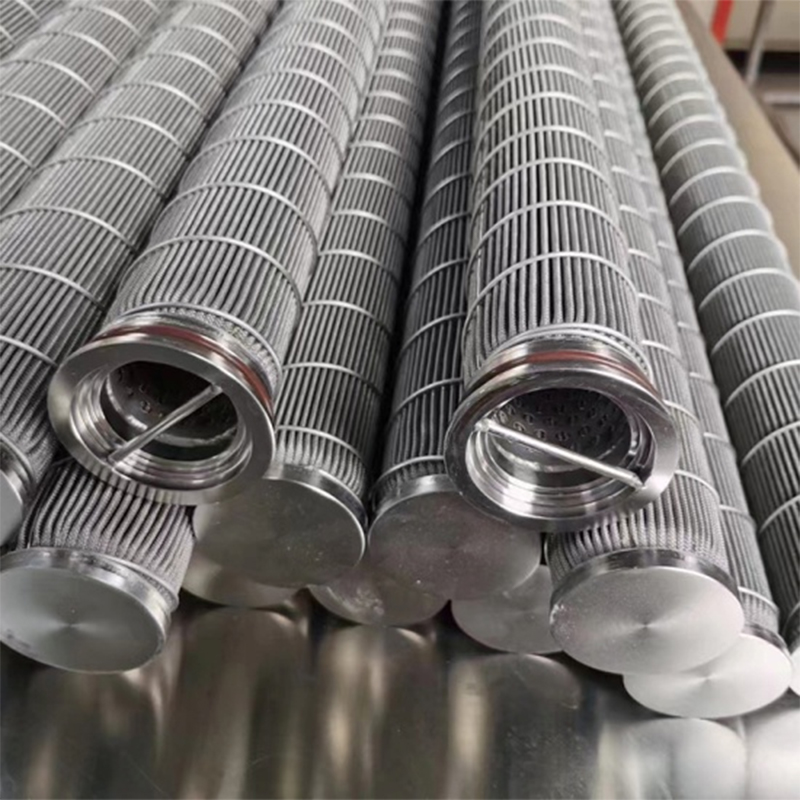
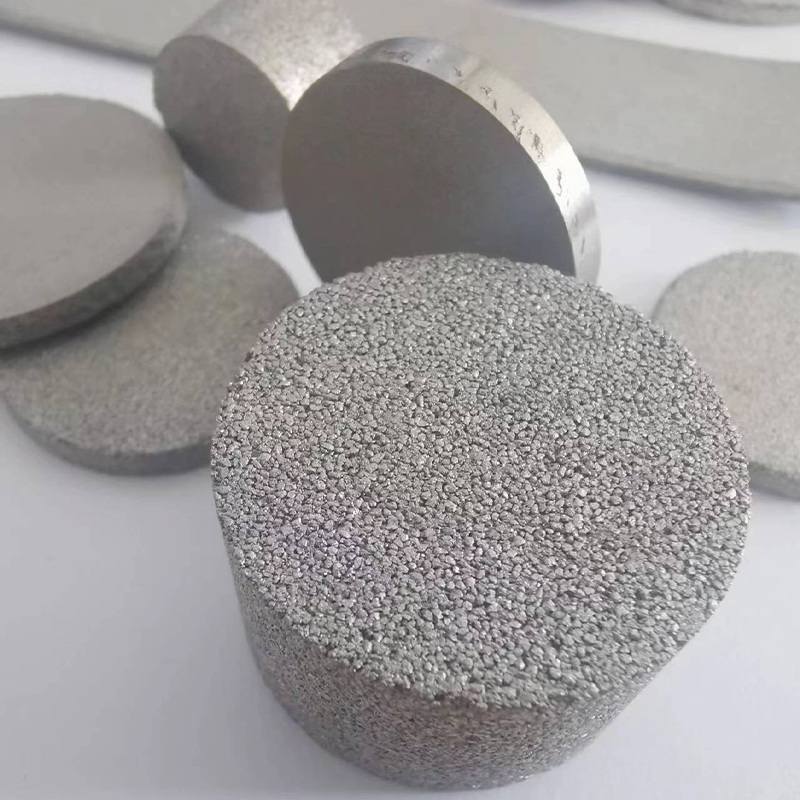
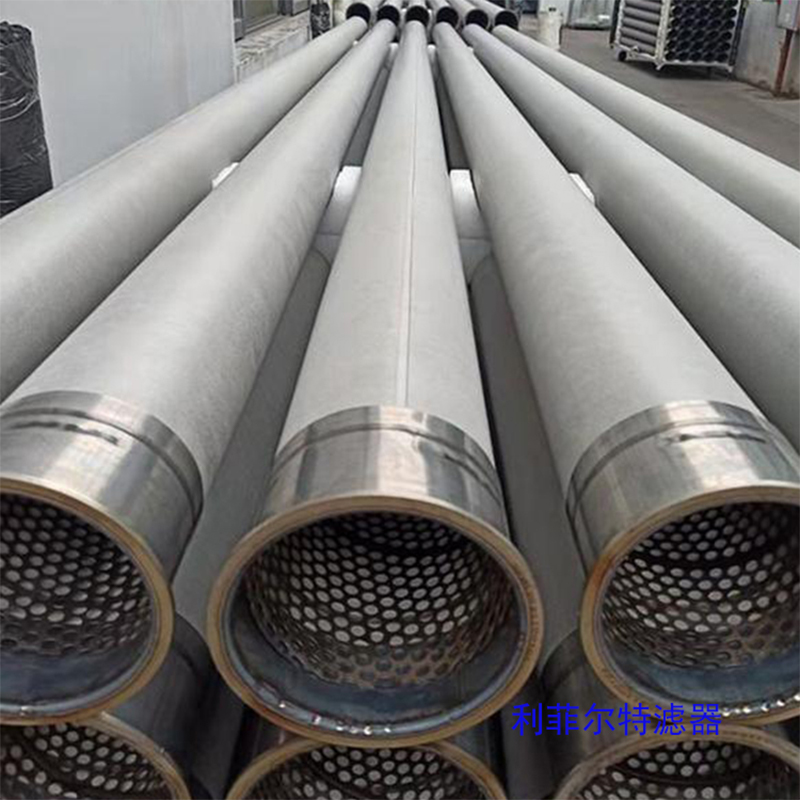
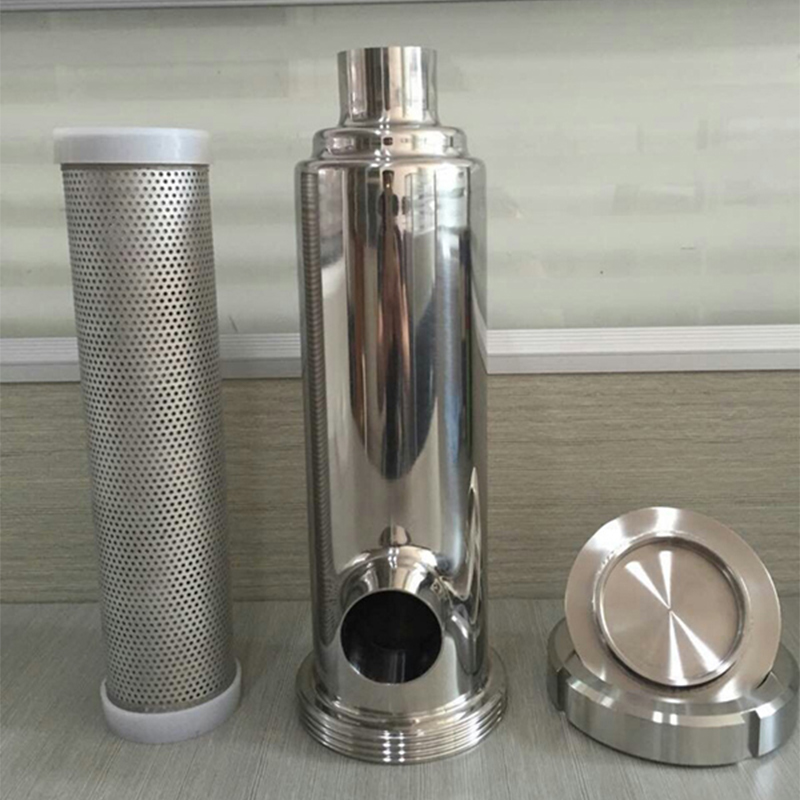
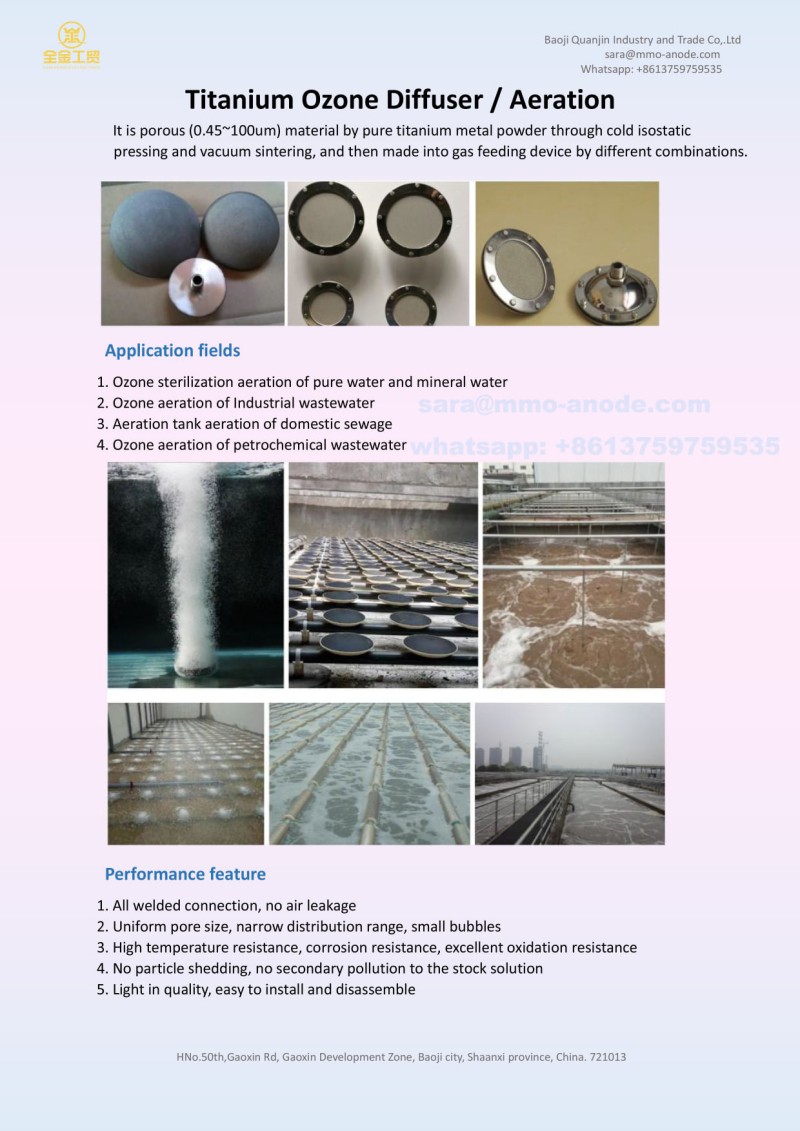
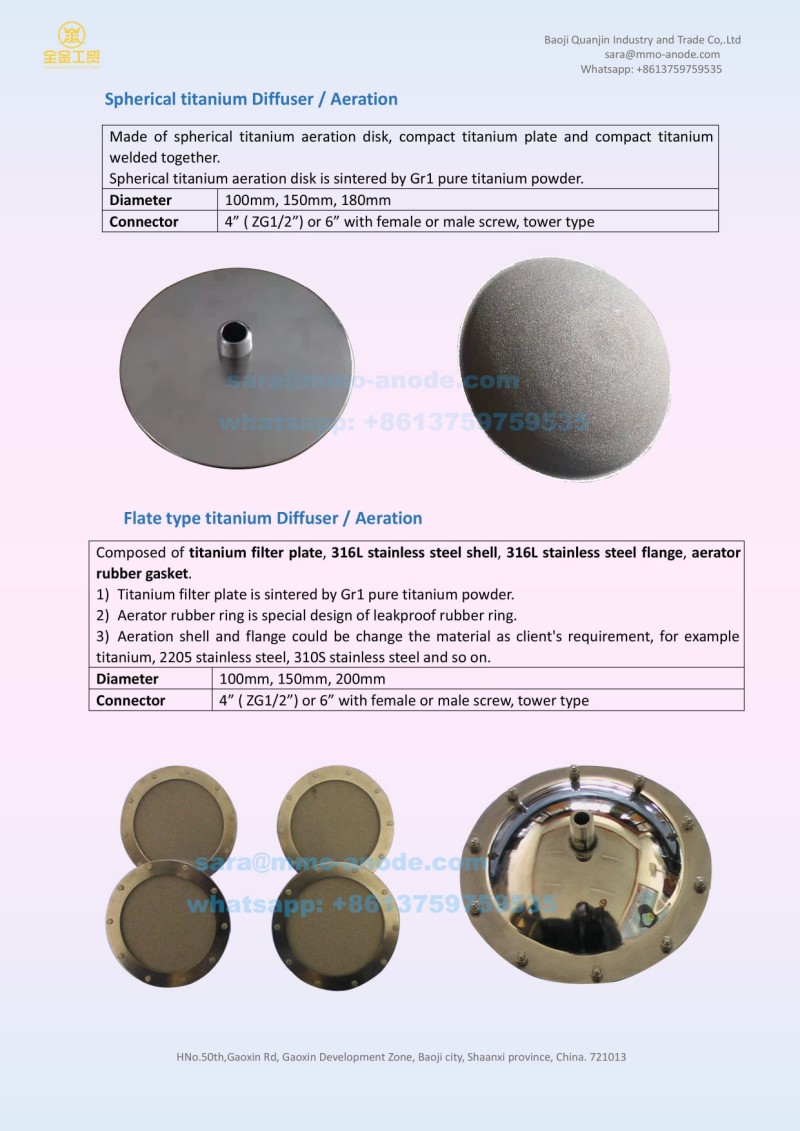
The product is composed of titanium filter plate, 316L stainless steel body, 316L stainless steel flange and aerator O-ring.
Description
marker
Product Description
The product is composed of titanium filter plate, 316L stainless steel body, 316L stainless steel flange and aerator O-ring. The titanium plate is sintered from high-purity titanium powder, and the sealing ring is specially designed by our company to prevent leakage. The body and flange material can be changed according to customer's requirement, such as titanium, 2205 stainless steel, 3105 stainless steel, etc.


Product Features
1. High mechanical strength, high temperature resistance, long service life.
2. Collapsible design for cleaning and reusable use.
3. Uniform and fine pores: The narrow pore size distribution ensures the formation of fine bubbles.
4. High porosity: low aerodynamic drag and high aeration efficiency.
5. No separation of particles, which eliminates secondary contamination of the original liquid.
Applications
1. Ozone sterilization in the production of bottled drinking water and mineral water.
2. Ozone aeration in industrial wastewater treatment processes.
3. Aeration in biological treatment facilities (aeration tanks) for domestic wastewater.
4. Ozone aeration of wastewater from the petrochemical industry.
Cleaning methods
1. Alkaline wash: Soak in 3-5% sodium hydroxide solution (analytical grade) for 30-60 minutes at a temperature of about 40°C. Using an ultrasonic bath significantly increases the effect. After soaking, rinse the internal and external surfaces with filtered deionized water or water for injection until a neutral reaction (check conductivity). Blow with clean compressed air under pressure ≥0.4 MPa for drying.
2. Acid wash: Soak in 5% nitric acid solution for more than 8 hours at 40°C. Using an ultrasonic bath significantly increases the effect. After soaking, rinse the internal and external surfaces with filtered deionized water or water for injection until a neutral reaction (check conductivity). Blow with clean compressed air under pressure ≥0.4 MPa for drying.
3. The above two methods can be used either separately or alternately. If possible, it is recommended to combine it with ultrasonic cleaning to achieve the best result.
4. For organic contamination, it is recommended to use surfactants; when contaminated with cell fragments, enzymatic purification (for the food and beverage industry, the use of highly concentrated citric acid is allowed).
Interface Specifications

contact us
Related Popular Products
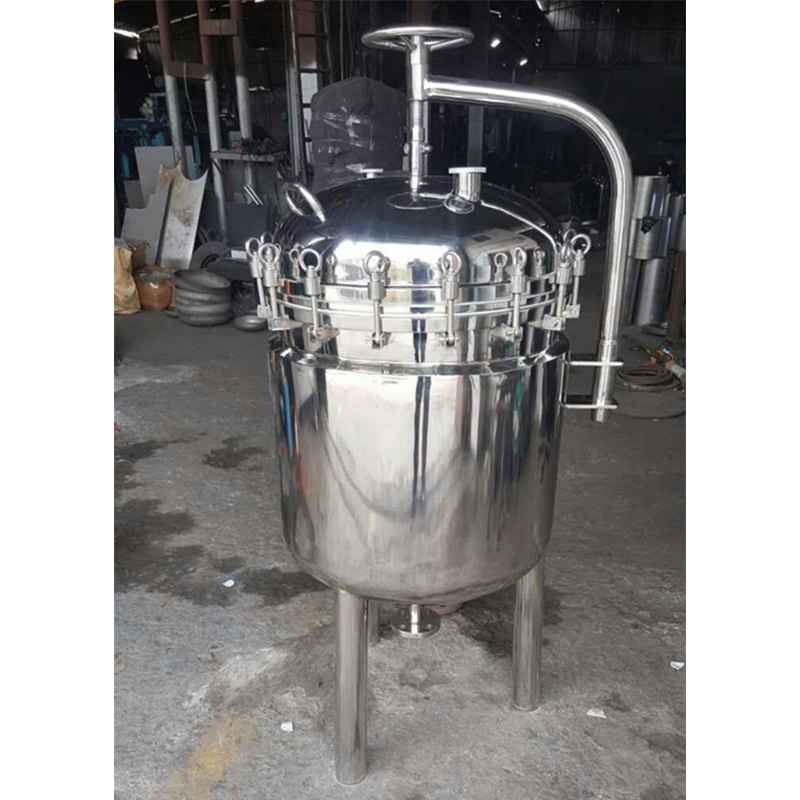
Single bag filter
Characteristics The bag filters are entirely made of high quality stainless steel...
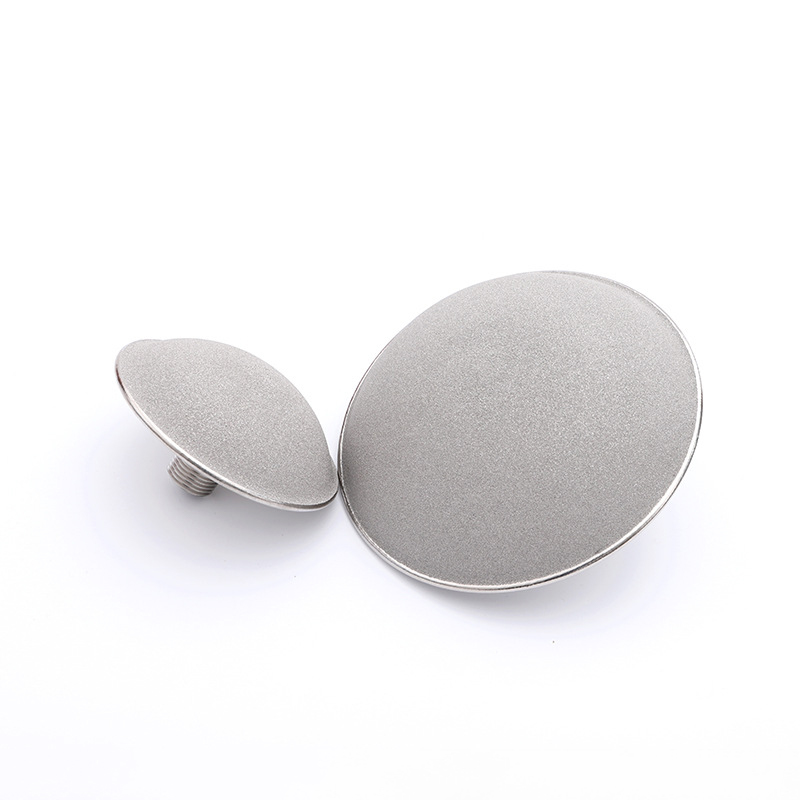
Flat aerator
The product is made by welding from a spherical titanium aeration disk, a dense titanium plate and a dense titanium fitting. The spherical titanium aeration disc is sintered from high-purity titanium powder.
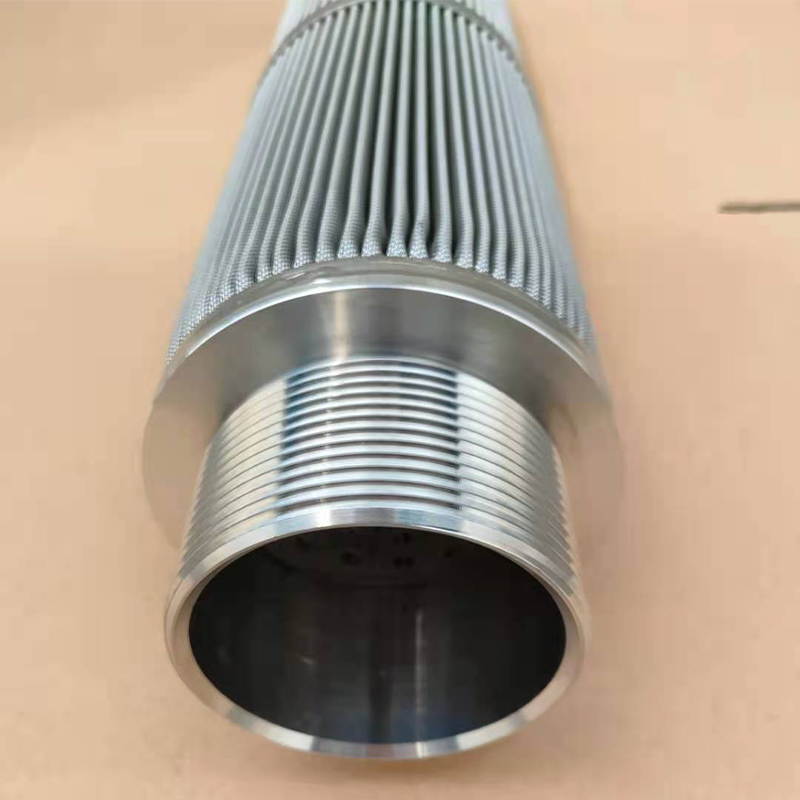
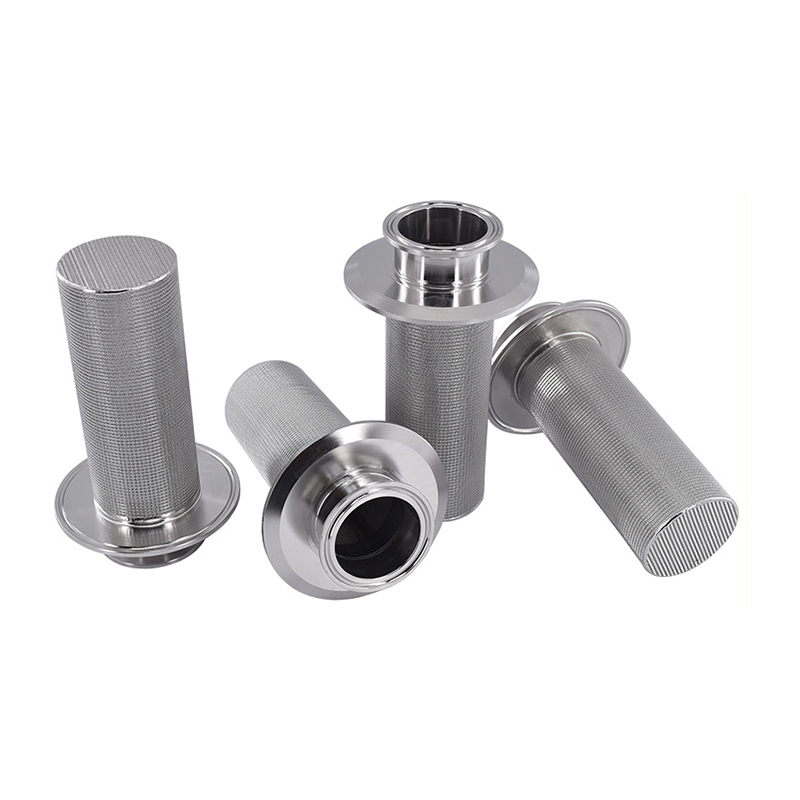
Folded sintered mesh filter element
Stainless steel pleated filter element, also known as melt-filter element. The main filter materials of this filter element are stainless woven mesh and sintered felt made of stainless fiber.
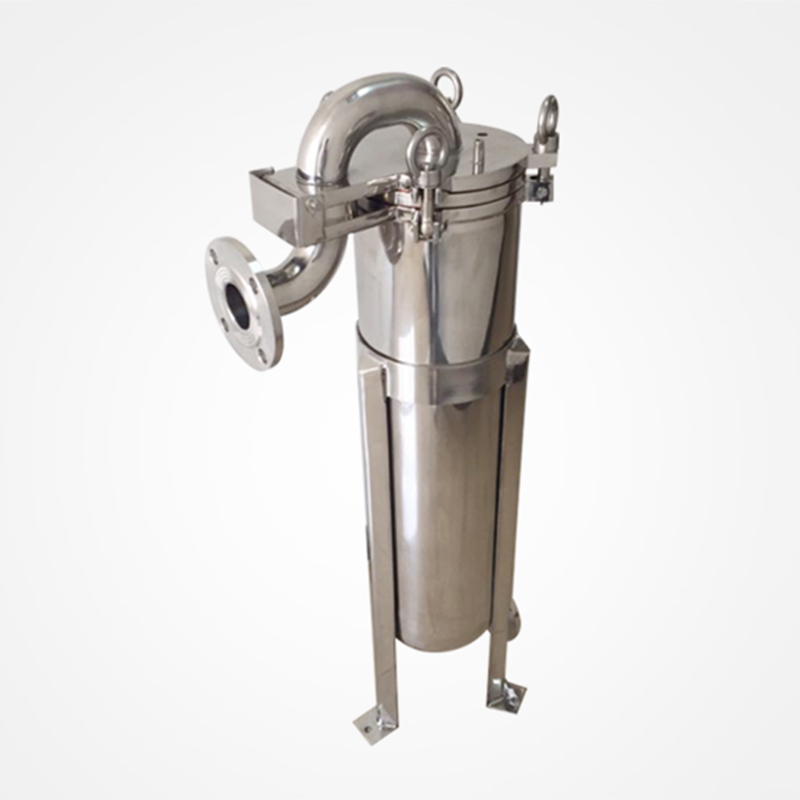
Top loading bag filter
Characteristics The bag filters are entirely made of high quality stainless steel...
Stainless steel sintered felt pleated filter element - for melts, steam, heat resistant, high porosity
The main filter material of the pleated sintered felt filter element is sintered felt made of stainless steel fiber. Sintered felt made of stainless fiber is used as the core filter layer.
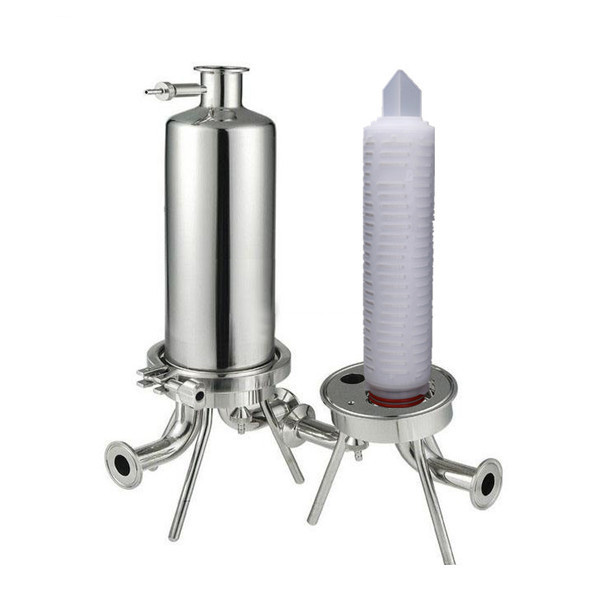
Single cartridge membrane microporous filter
XHFILTER is a microporous pleated filter made entirely of SUS316L or SUS304 stainless steel, with a pleated filter element as the filter element.
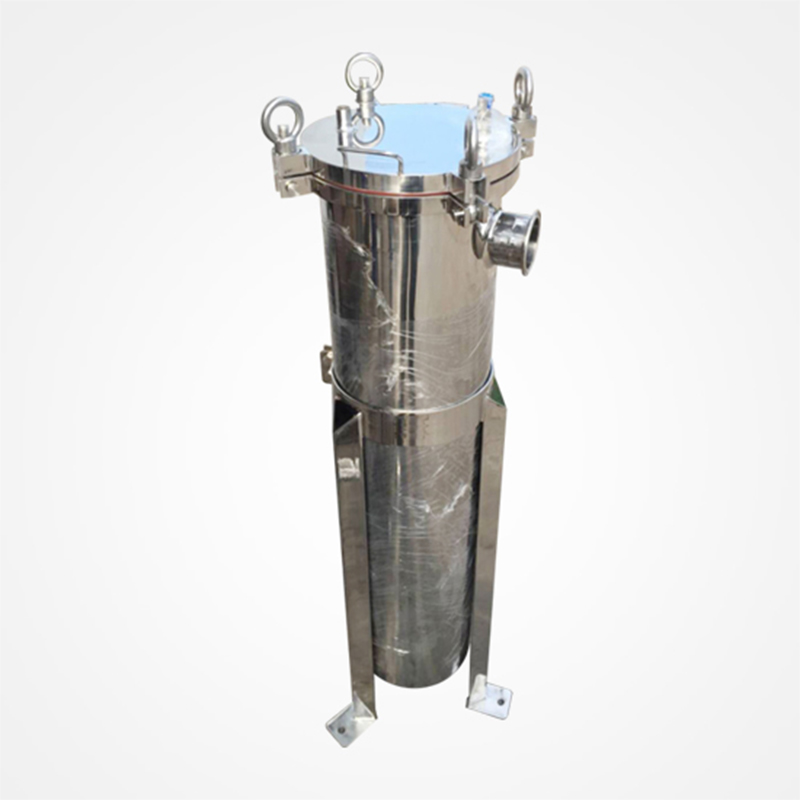
Side loading bag filter
Characteristics The bag filters are entirely made of high quality stainless steel...
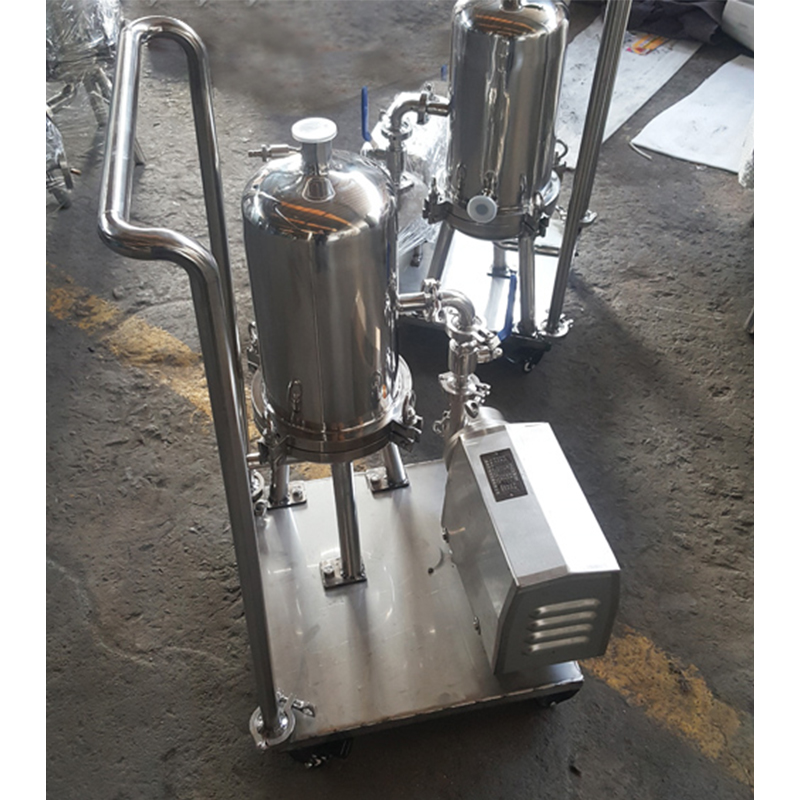
Mobile filter
The horizontal bed sheet filter has a long history of use in food and beverage filtration. This filtration method belongs to depth filtration technology and is a modular closed system, especially suitable for low and medium flow rates.
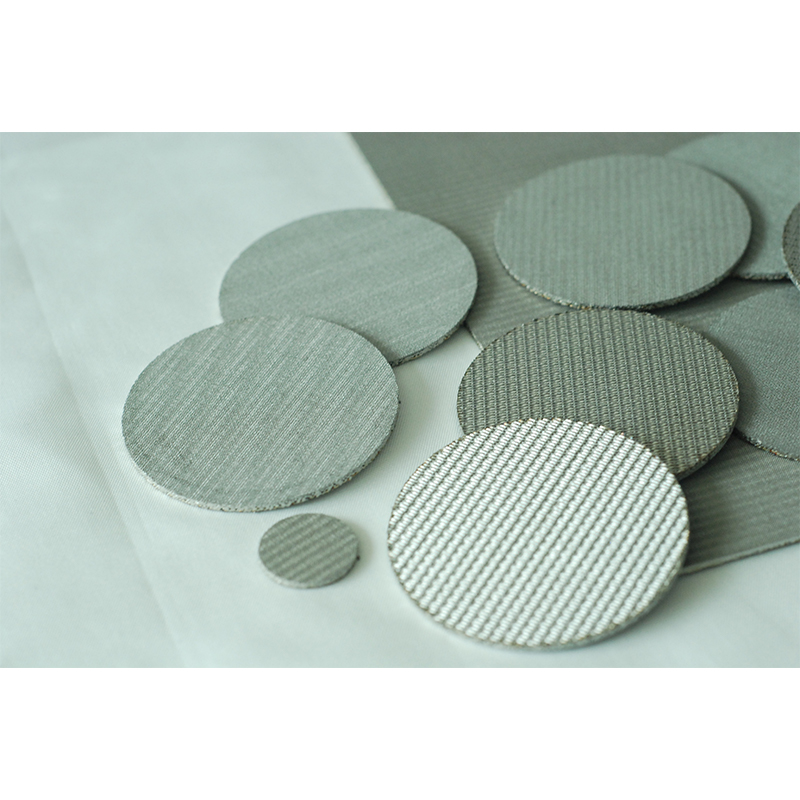
316 Stainless Steel Water Distribution Mesh for Coffee
When brewing specialty coffee, the “secondary distribution grid” is a design element that is often mentioned, but few people fully understand its purpose.
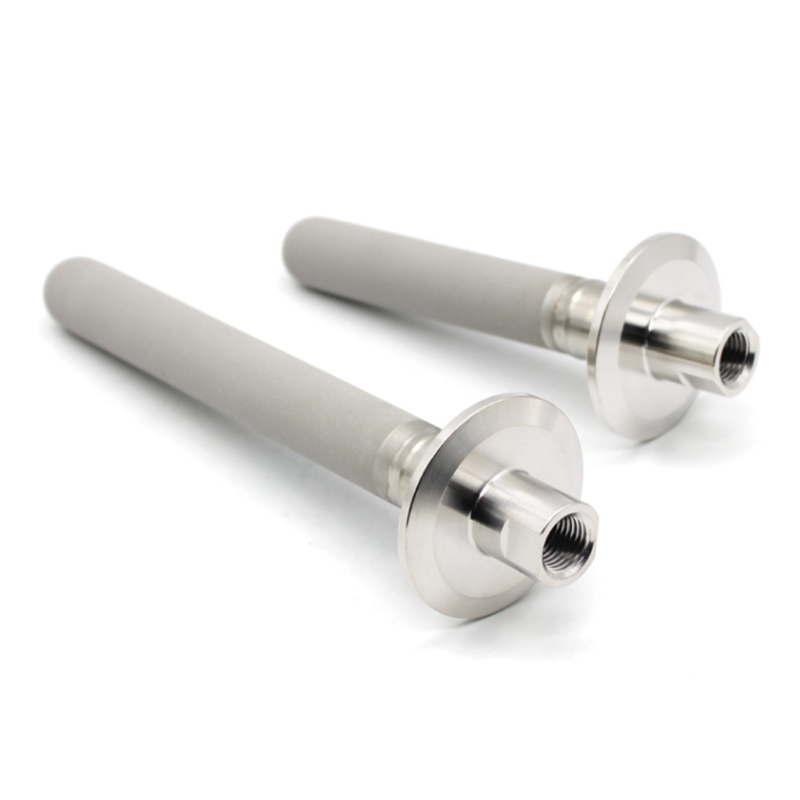
316L stainless steel filter element for beer wort aeration
Sintered stainless steel powder filter element is manufactured by pressing stainless steel powder followed by high temperature sintering.
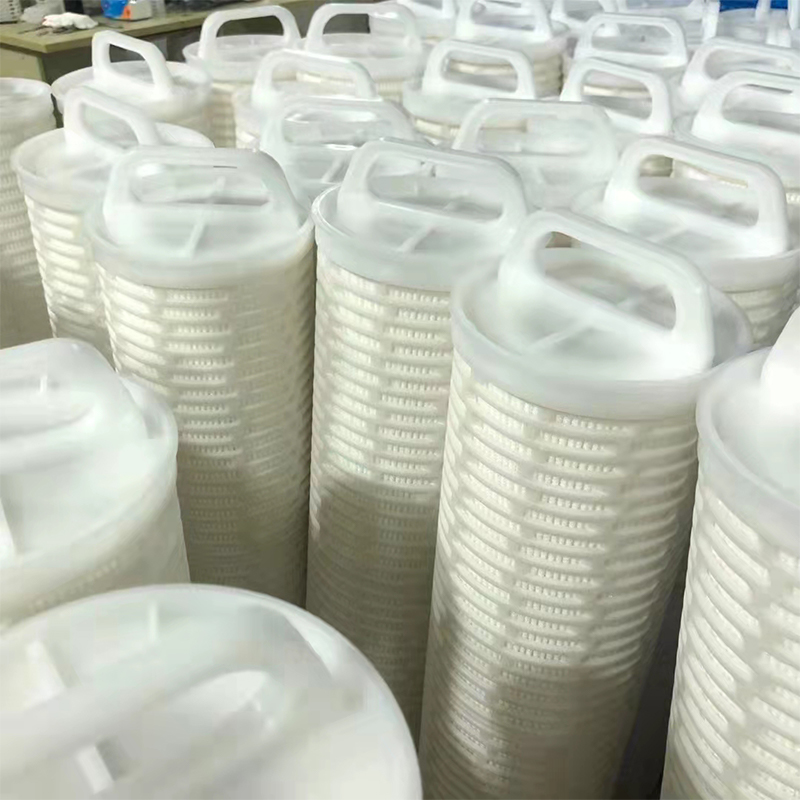
Pleat filter element made of polyvinylidene fluoride
The filtration membrane is made of polyvinylidene fluoride (PVDF). The structure with an internal support frame made of polypropylene or stainless steel is assembled by heat welding. The membrane has a unique pore shape, high resistance to contamination, resistance to acids and alkalis, and is suitable for gas filtration.
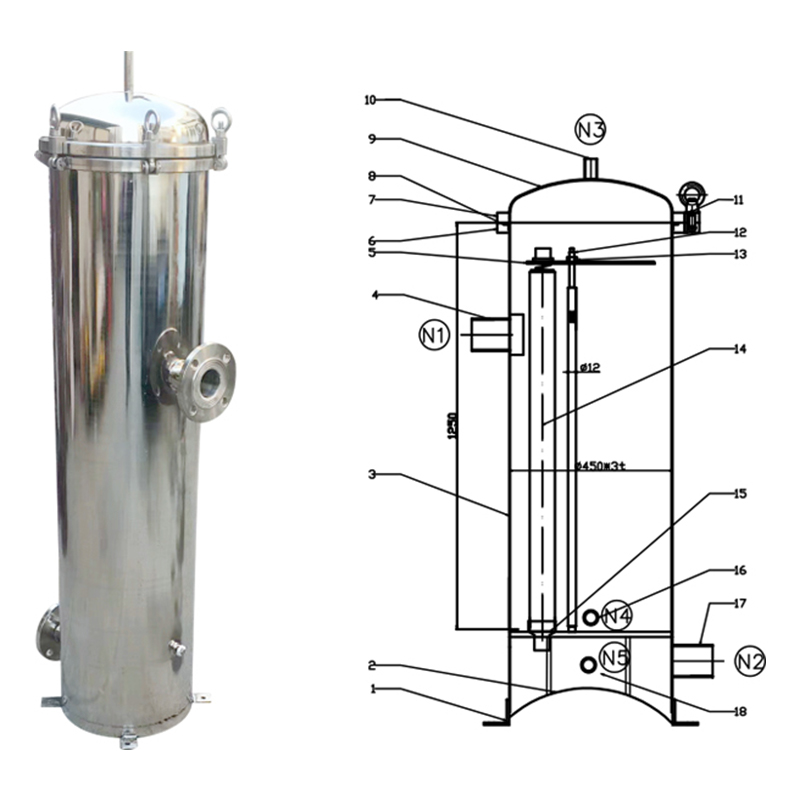
Safety fine filter
This filter consists of a cylindrical body and a tube grid. Micropores in the tube sheet are formed by polyethylene (PE) tubes located in it. The filter is assembled in a sealed cylindrical housing. The filtered medium enters the housing through the side inlet and is cleaned through filter tubes, after which the liquid is discharged through the lower pipe.
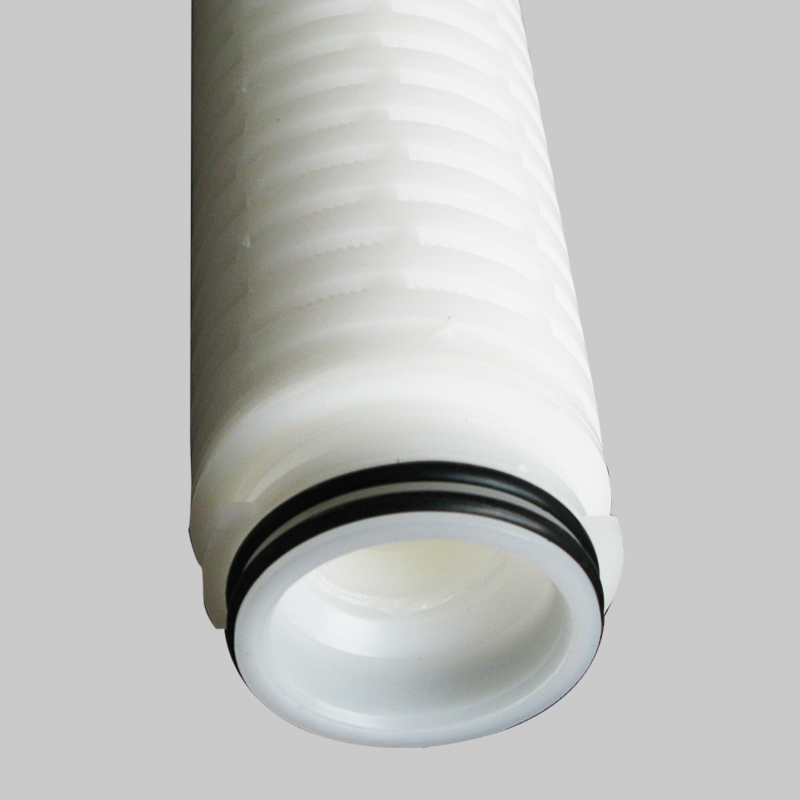
Hydrophilic pleated filter element made of polytetrafluoroethylene
The filtration membrane is made of hydrophilic polytetrafluoroethylene (PTFE). The product is assembled by heat welding with an internal support frame made of polypropylene or stainless steel. The hydrophilic membrane is resistant to strong acids and alkalis, high temperatures and ozone, suitable for clarifying and sterilizing filtration of highly corrosive, highly oxygenated liquids and organic solvents.
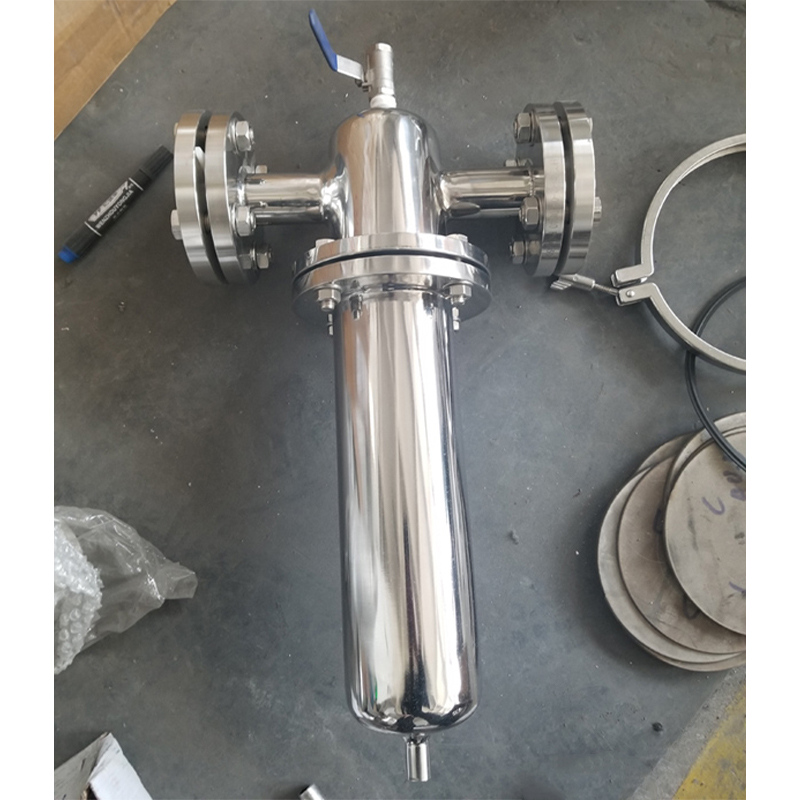
Air (steam) filter
The filter uses a folded microporous membrane made of hydrophobic polytetrafluoroethylene (PTFE) or polypropylene (PP). The filter body is made of high quality imported stainless steel (304/316L) and is designed and manufactured in accordance with GMP requirements.
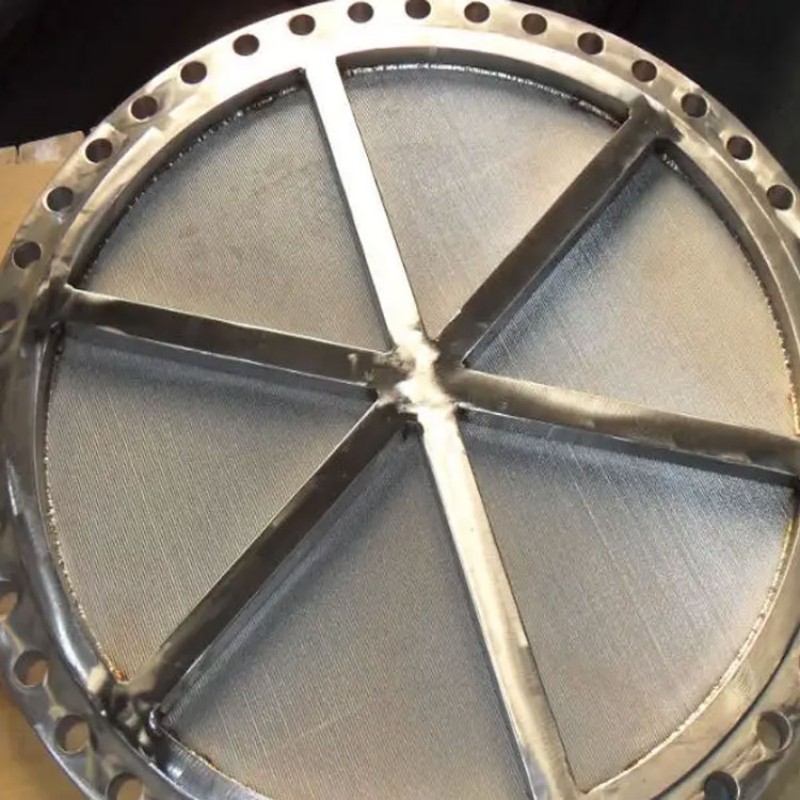
Vulcanized plate, sintered stainless steel aeration plate, flanged filter disc, blast furnace coal dust fluidization plate, sintered stainless steel mesh filter disc
This unit is mounted on the fluidizer at the bottom of the purge tank or inside the pulverized coal hopper bottom fluidizer assembly.
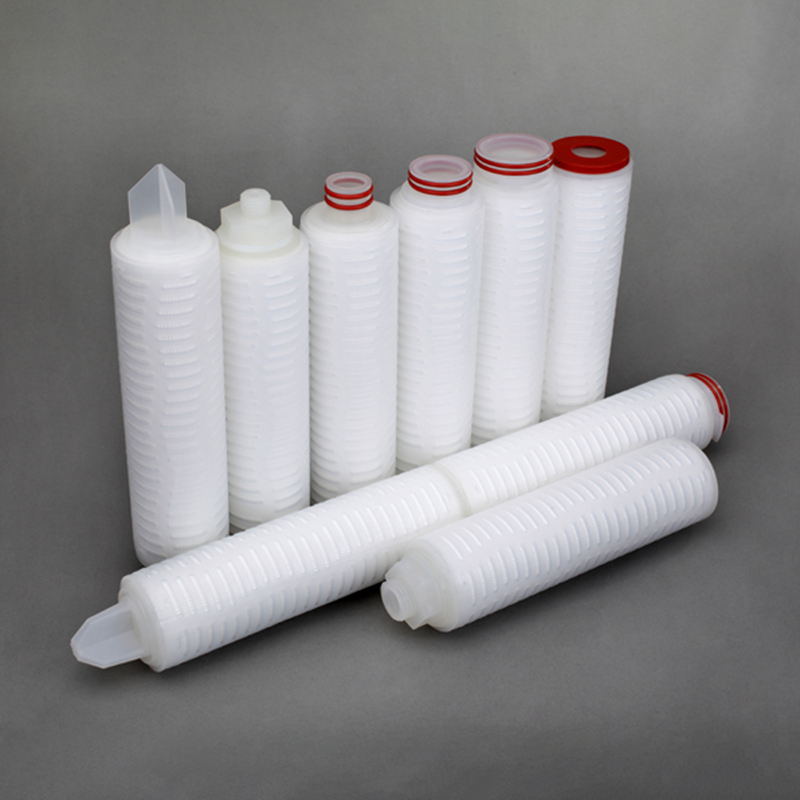
Economical polypropylene pleated filter element
The filtration membrane and housing are made of polypropylene and connected by heat sealing. Carries out depth filtration, has a low cost and a favorable price-quality ratio, suitable for filtration of liquids and gases.


