

Products
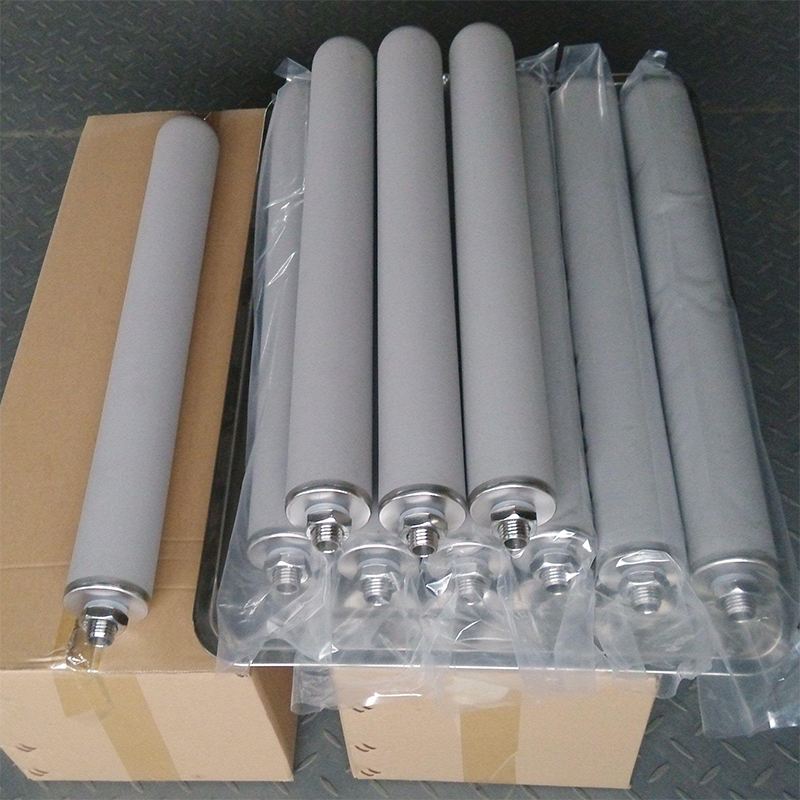

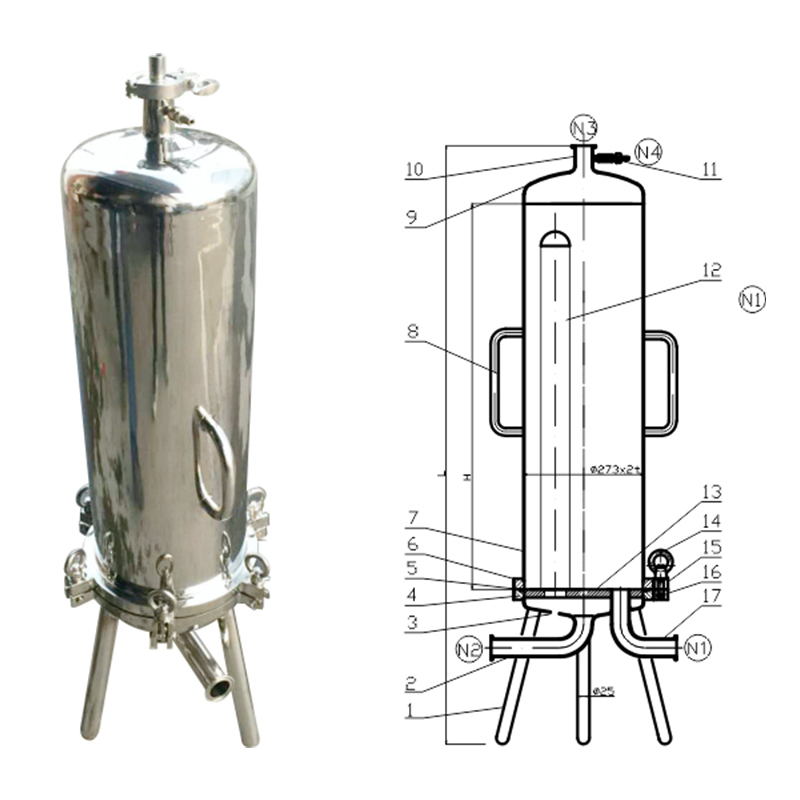
Titanium rod filter
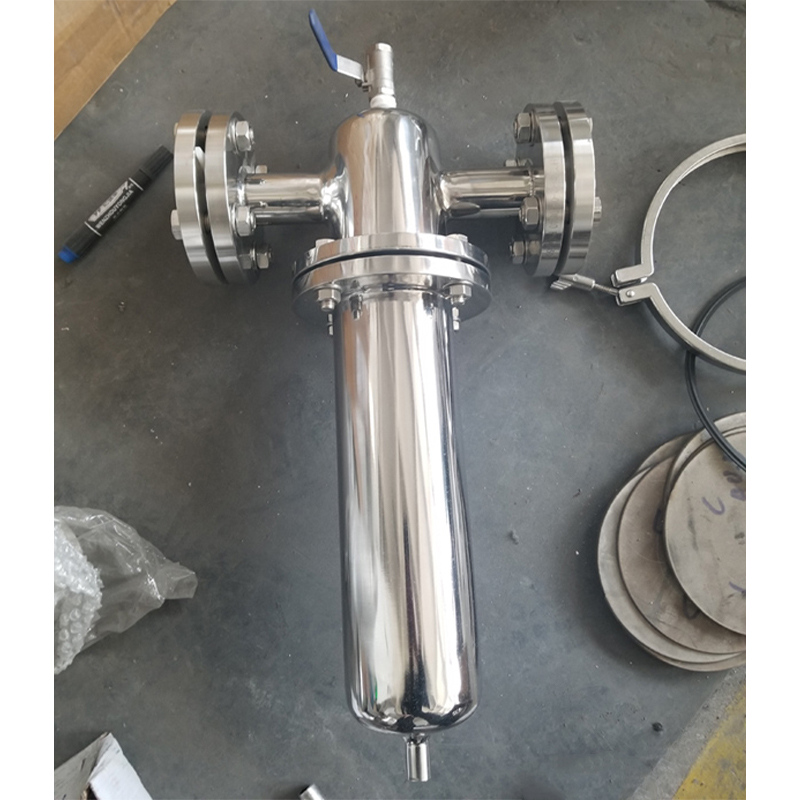
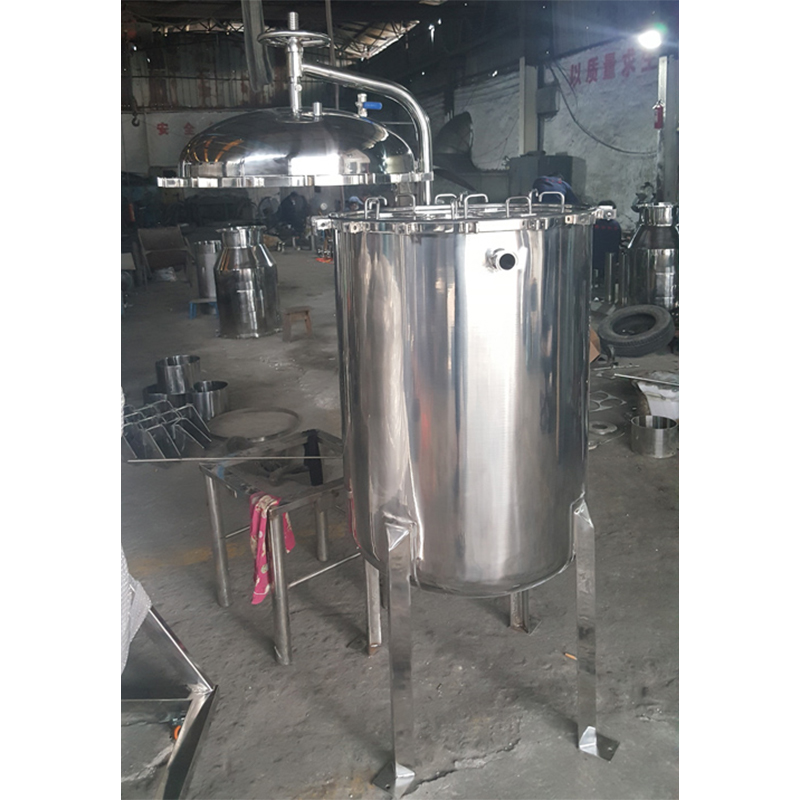
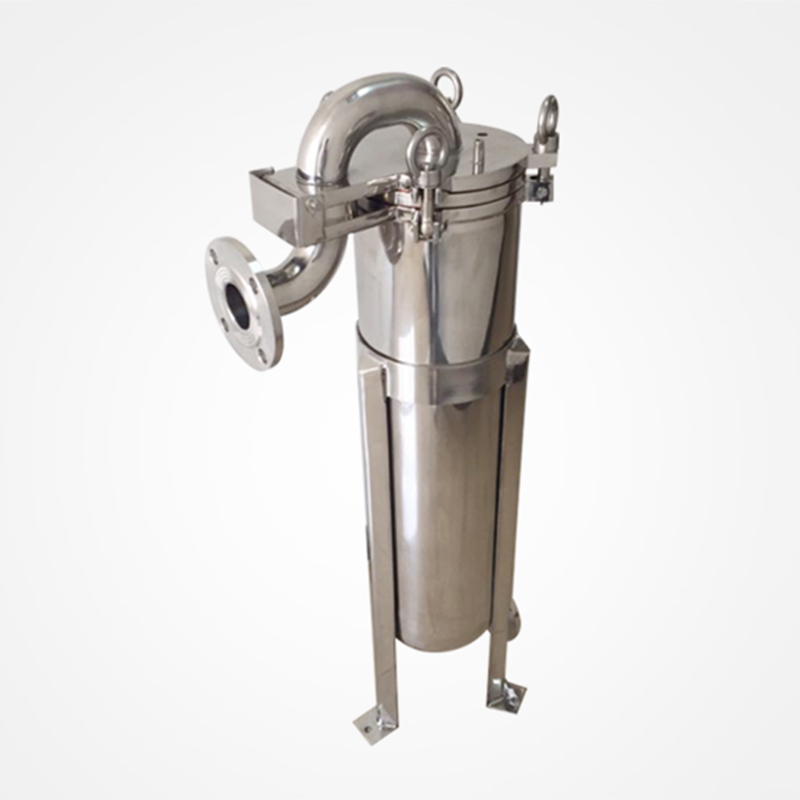
The filter housing is made of high quality 316L or 304 stainless steel, the outer and inner surfaces are mirror polished.
Description
marker
Description
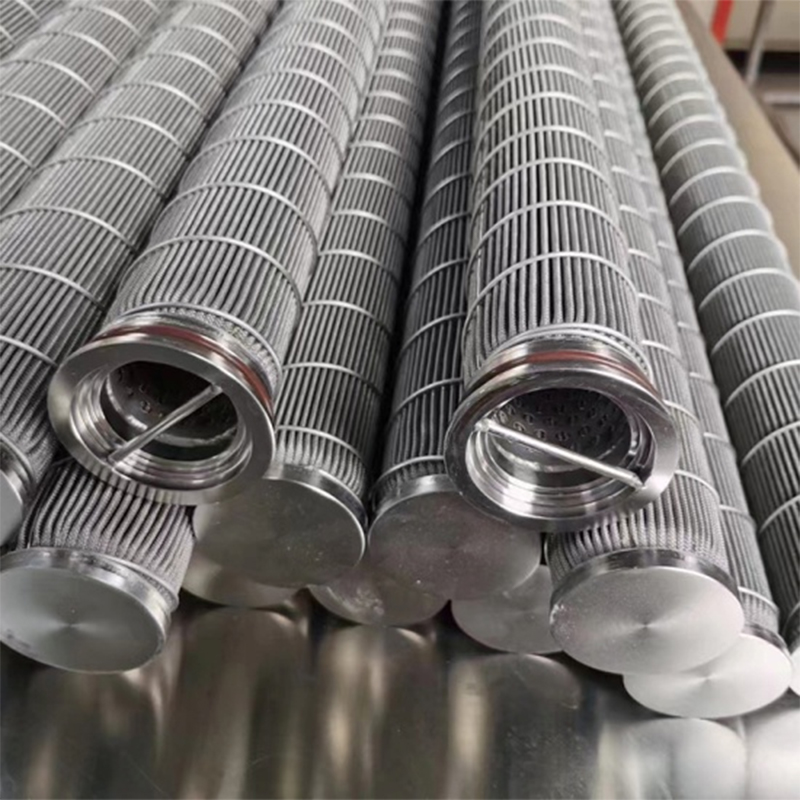
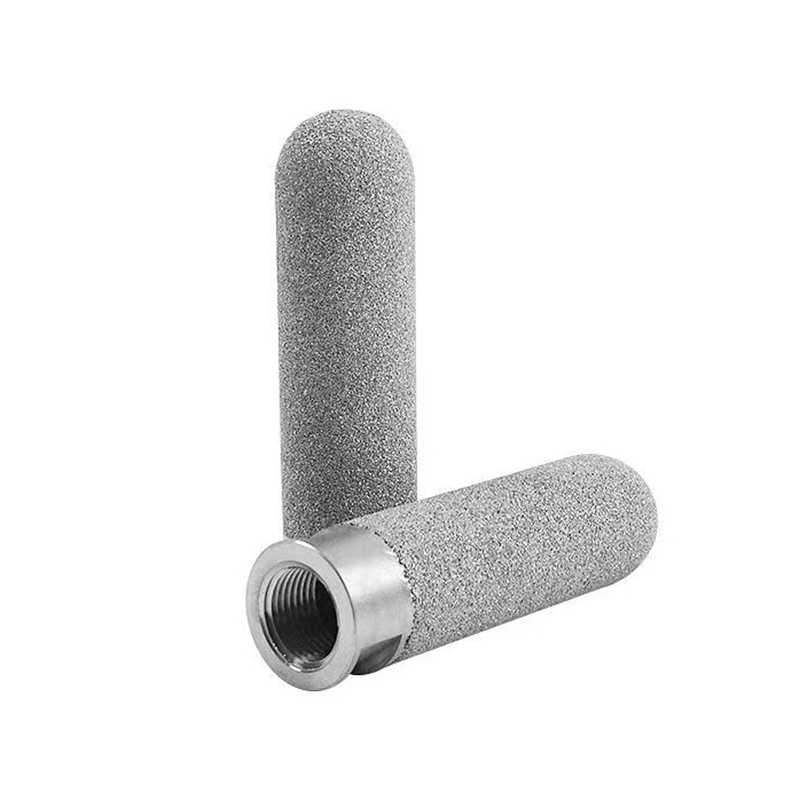
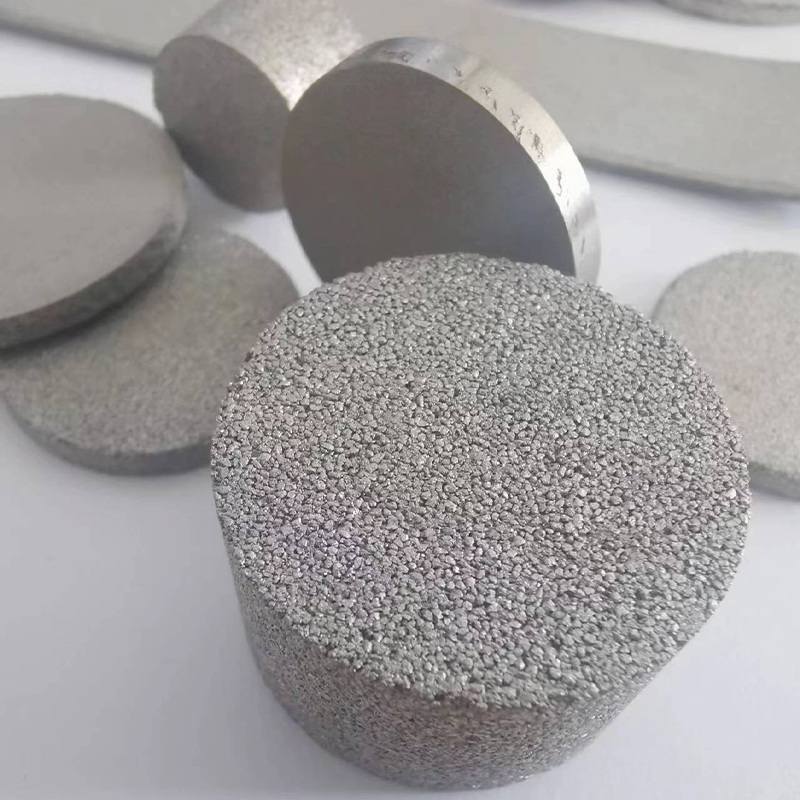
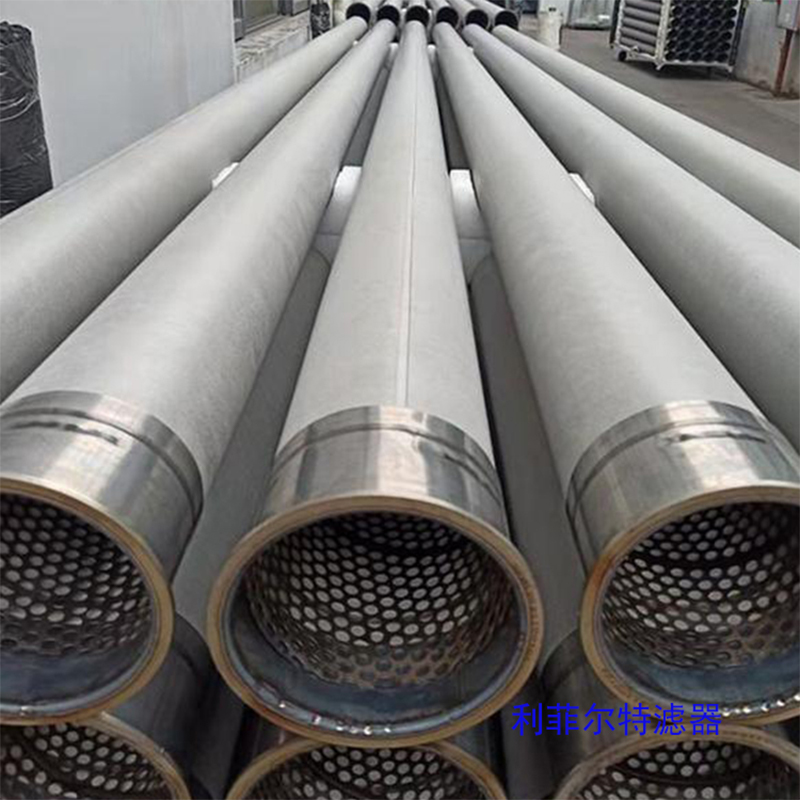
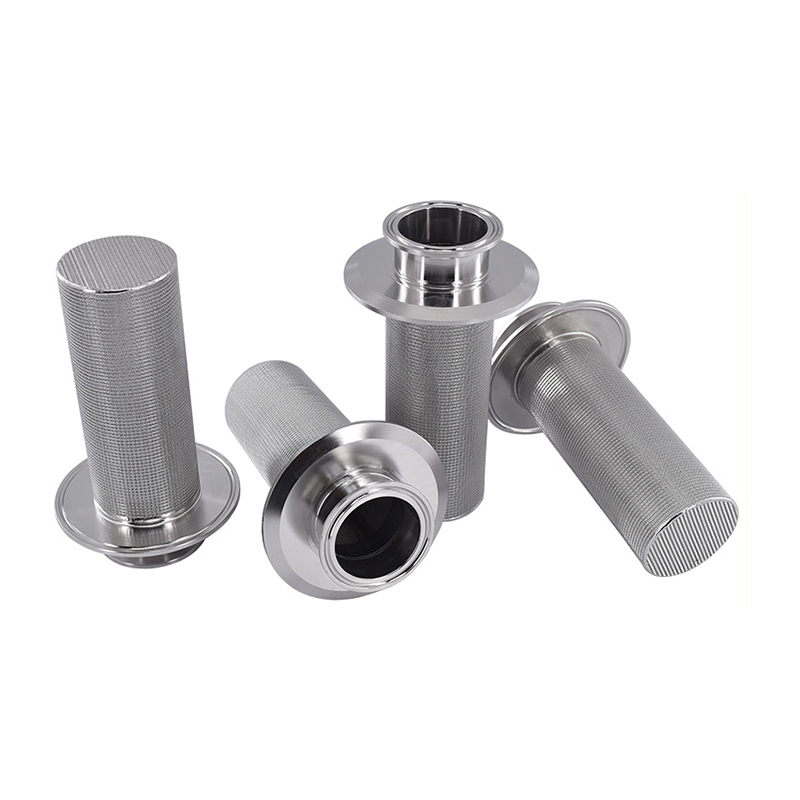
The filter housing is made of high quality 316L or 304 stainless steel, the outer and inner surfaces are mirror polished. A titanium rod is used as a filter element, due to which the filter has corrosion resistance, heat resistance, impact resistance, non-toxicity, no leaching of particles, does not adsorb components of pharmaceutical solutions, has a long service life (normal service life is 4–5 years), is easy to clean and can be regenerated. The titanium rod filter element is a type of depth filtration filter: a dense filter layer with gaps is formed on the surface of the titanium rod, which performs a filtering function; In addition, particles can be fixed to the pore walls, forming a “bridge structure”, which allows particles smaller than the pores of a titanium rod to be retained, thereby increasing filtration accuracy.
How the filter works
When the filtered medium enters through the inlet pipe into the filter housing, impurities are first retained on the surface of the titanium rod, forming a dense filter layer with gaps on it; this filter cake also performs a filter function. At the same time, particles whose size is smaller than the pore diameter of the titanium rod penetrate into the micropores of the titanium wall. Since the tube wall has countless tortuous pore channels, chaotically intertwined, curved and narrow, particles once inside are easily retained. Moreover, due to the compressive and impact effects caused by the flowing liquid, the particles are tightly attached to the walls of the pore channels. This filtration, which occurs inside a titanium rod, refers to depth filtration. Impurities are retained on the outer surface and in the internal pores of the titanium rod, and the purified material is discharged through the outlet pipe. With the gradual accumulation of impurities inside the filter housing, the pressure on the filter increases; when it reaches 0.3 MPa, the titanium rod is subject to regeneration.
Main technical parameters
Filtration fineness: 0.45–30 µm
Filtration efficiency: more than 99%
Working pressure: less than 0.6MPa
Operating temperature: no higher than 300°C
Consumption: 0.15–30 t/h
Standard sizes of titanium rods: Ø60×300, Ø60×150, Ø60×750, Ø60×1000
contact us
Related Popular Products
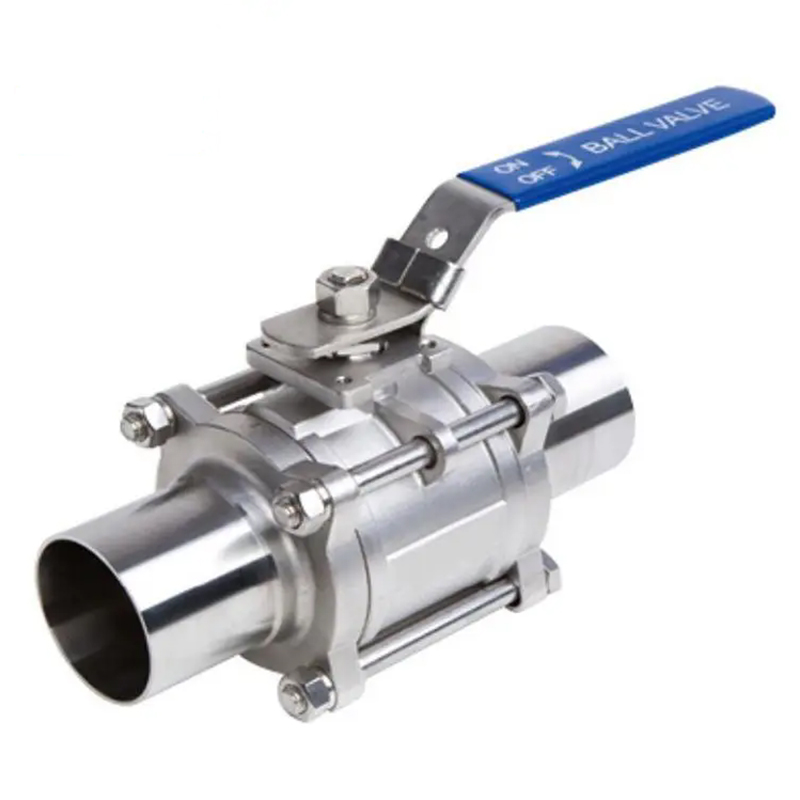
Fittings
Main products: Quick release ball valve; hygienic ball valve; quick release Y-o...
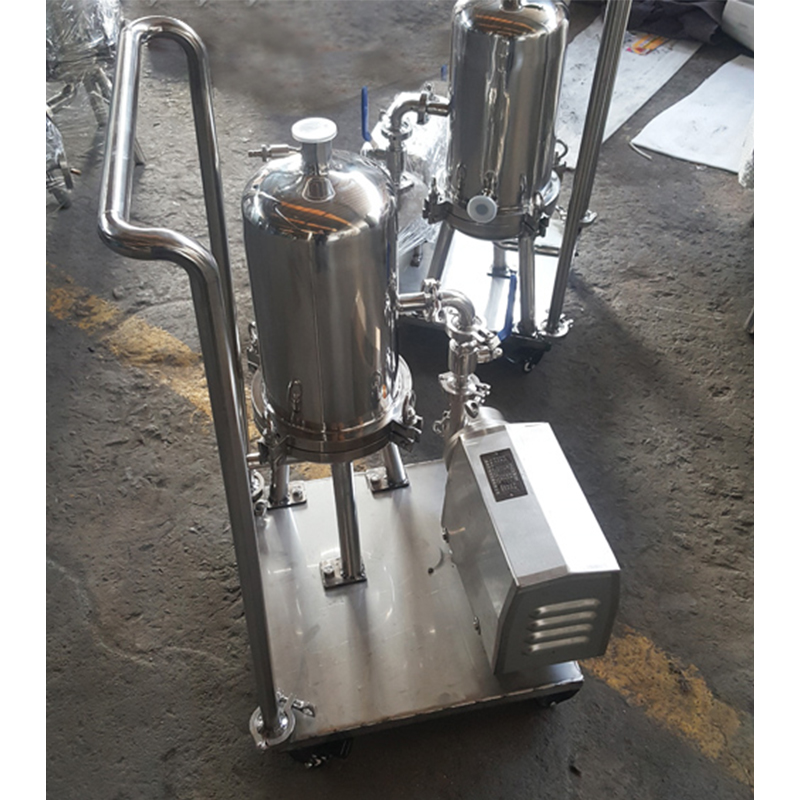
Mobile filter
The horizontal bed sheet filter has a long history of use in food and beverage filtration. This filtration method belongs to depth filtration technology and is a modular closed system, especially suitable for low and medium flow rates.
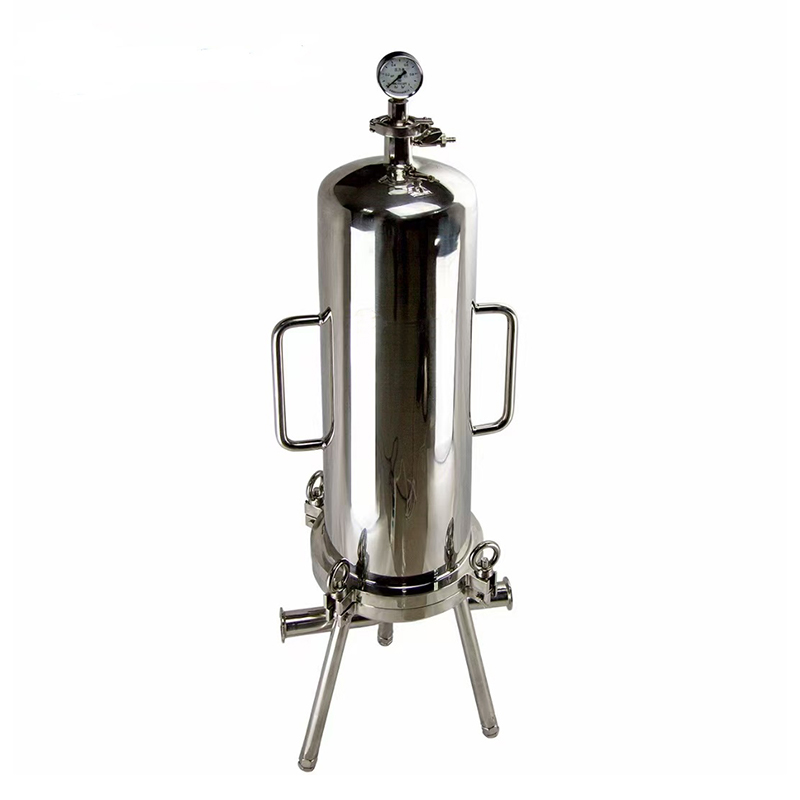
Multi-cartridge microporous filter
The internal surface of the hygienic microporous membrane filter is mirror polished, which reduces the accumulation of contaminants and makes cleaning easier.
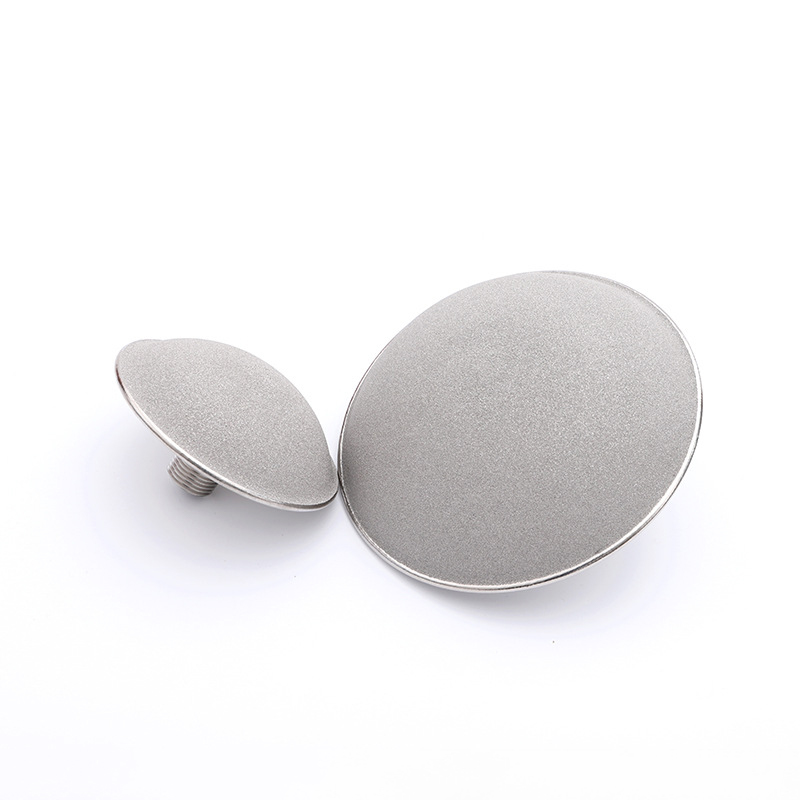
Flat aerator
The product is made by welding from a spherical titanium aeration disk, a dense titanium plate and a dense titanium fitting. The spherical titanium aeration disc is sintered from high-purity titanium powder.
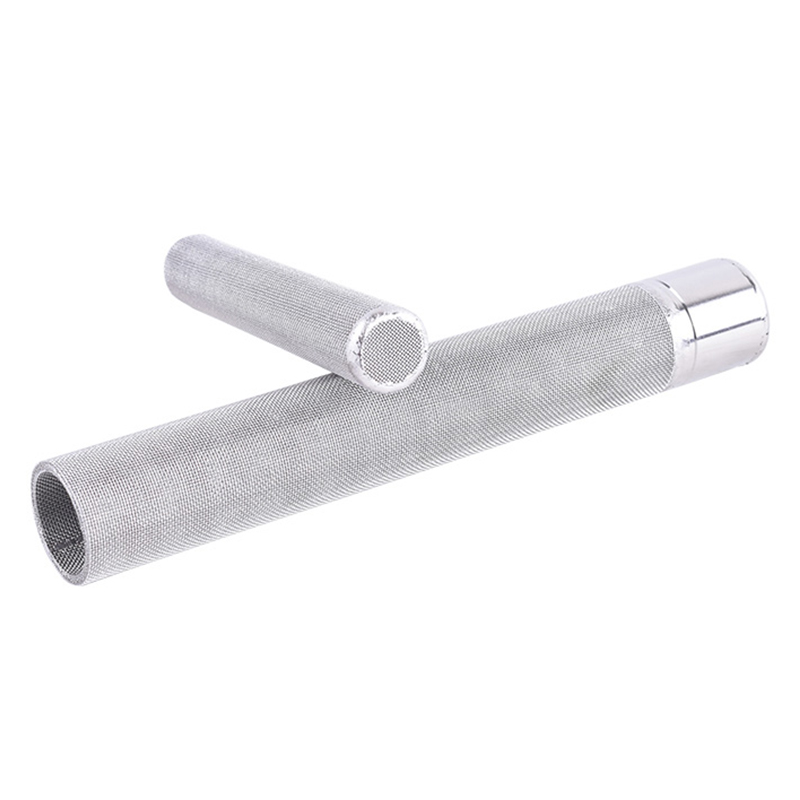
Filter element made of five-layer sintered mesh
The standard five-layer sintered mesh filter element is manufactured primarily by winding filter material based on a standard five-layer sintered mesh.
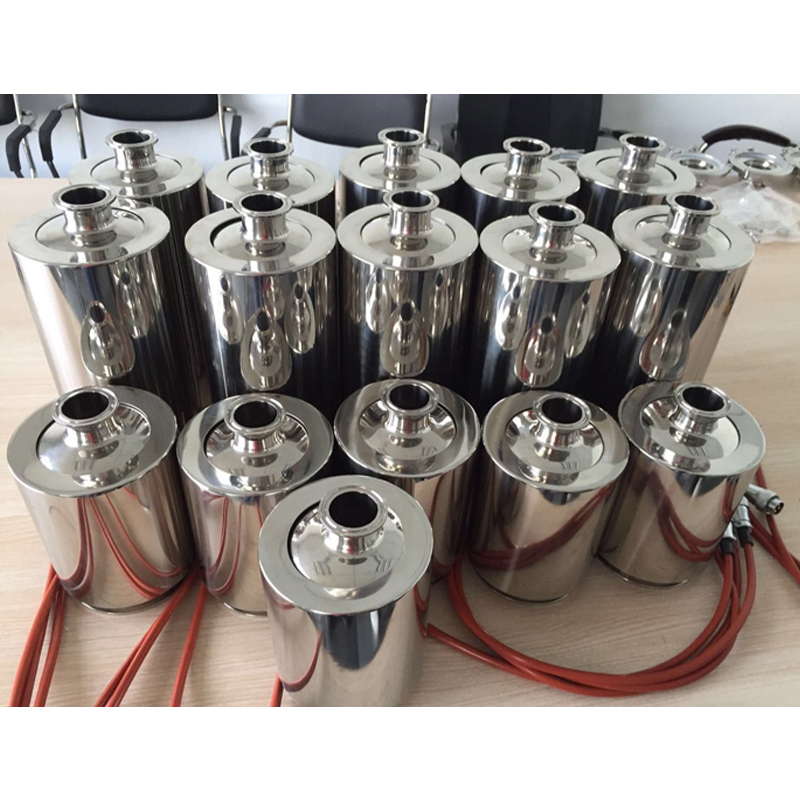
Breathing filter
The breathing filter is specially designed and manufactured to ensure sterility during gas exchange in the pharmaceutical and food industries.
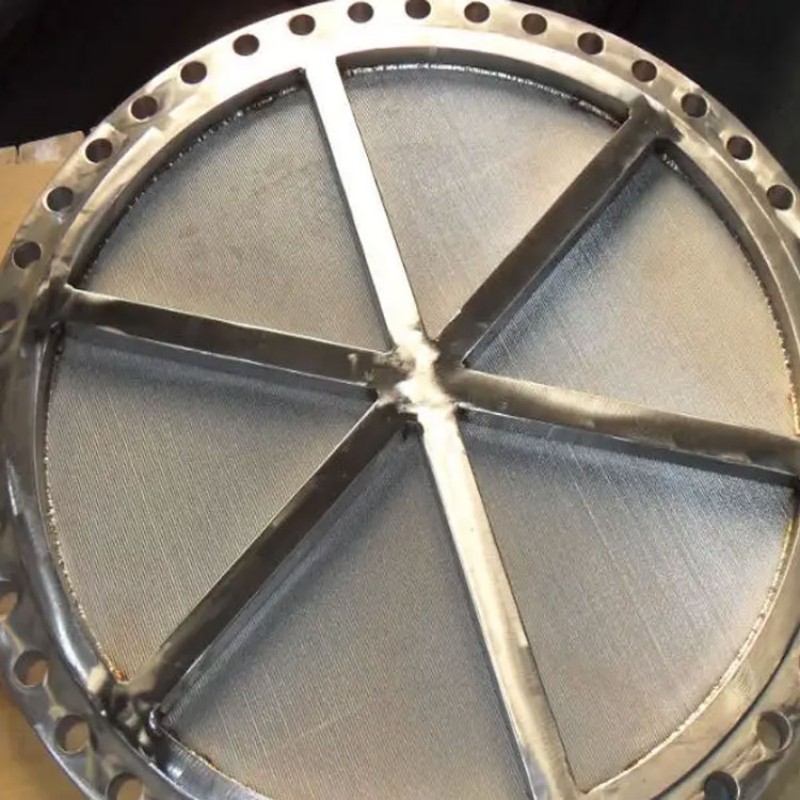
Vulcanized plate, sintered stainless steel aeration plate, flanged filter disc, blast furnace coal dust fluidization plate, sintered stainless steel mesh filter disc
This unit is mounted on the fluidizer at the bottom of the purge tank or inside the pulverized coal hopper bottom fluidizer assembly.
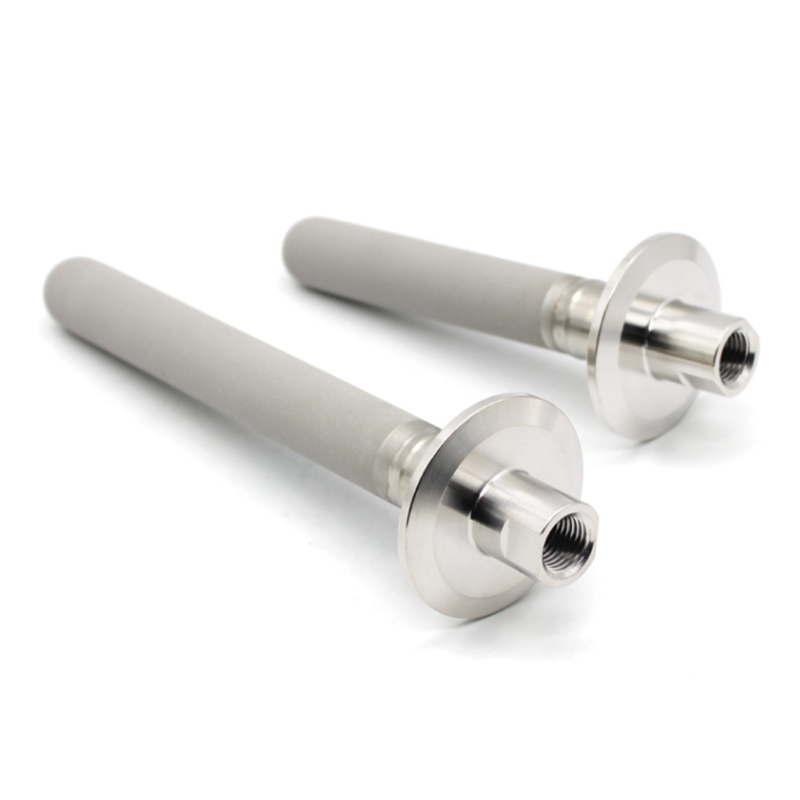
316L stainless steel filter element for beer wort aeration
Sintered stainless steel powder filter element is manufactured by pressing stainless steel powder followed by high temperature sintering.
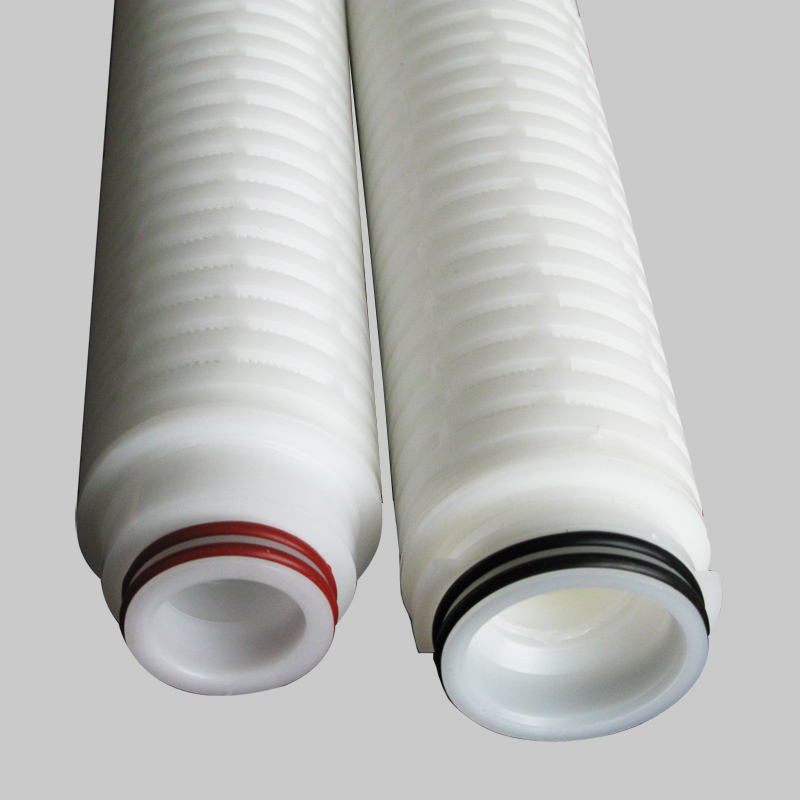
Polyethersulfone pleated filter element
The filtration membrane is a symmetrical polyethersulfone (PES) membrane manufactured using American technology. The internal support frame is made of heat-resistant polypropylene or stainless steel, all elements are connected by heat welding. The membrane has a uniform pore size, high throughput and minimal protein adsorption; Widely used for final sterilizing filtration of high flow liquids.
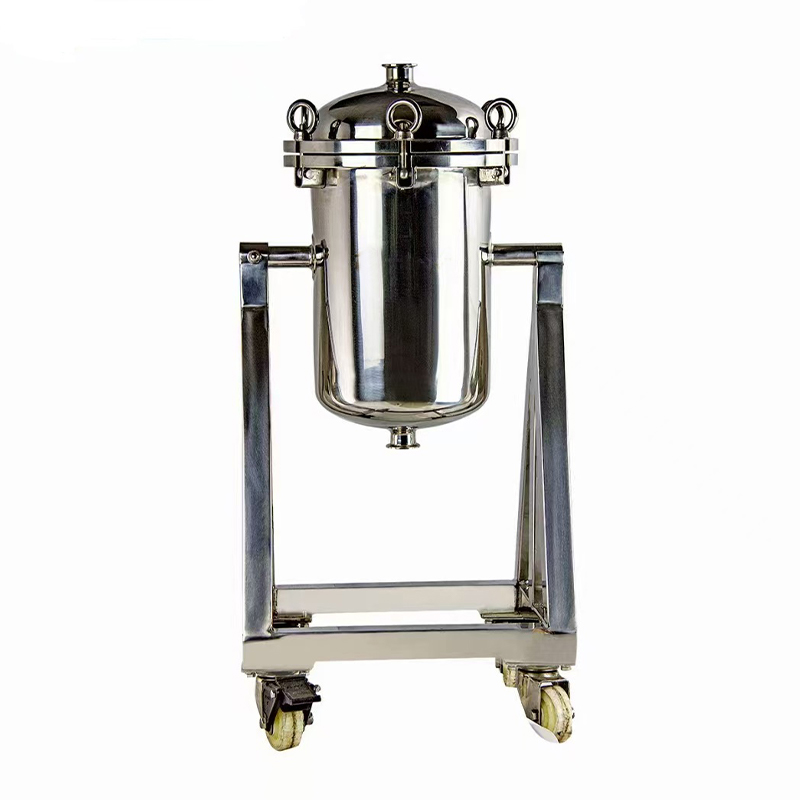
Tilting titanium rod filter
The filter housing is made of 304 or 316L stainless steel. The filter is resistant to high temperatures, high pressure, corrosion from strong acids and alkalis; The filter element can be used repeatedly.
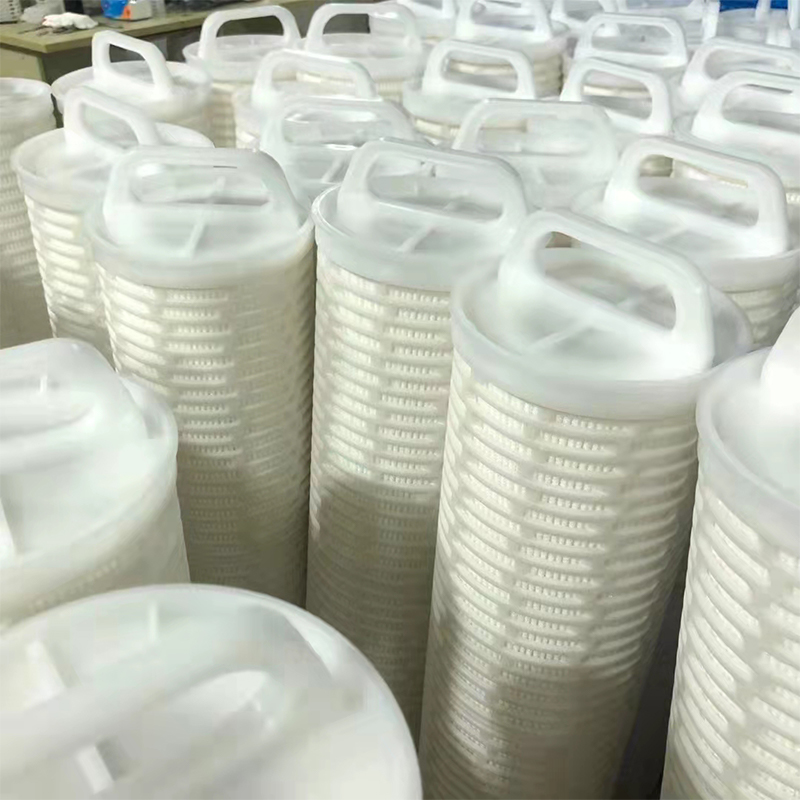
Pleat filter element made of polyvinylidene fluoride
The filtration membrane is made of polyvinylidene fluoride (PVDF). The structure with an internal support frame made of polypropylene or stainless steel is assembled by heat welding. The membrane has a unique pore shape, high resistance to contamination, resistance to acids and alkalis, and is suitable for gas filtration.
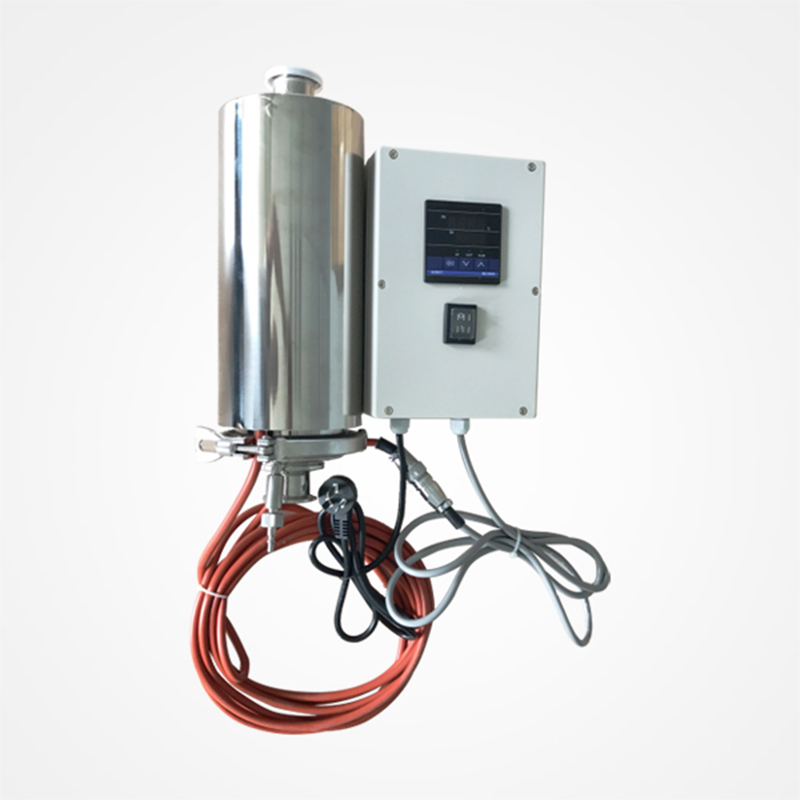
Electrically heated breathing filter
The automatic breathing filter with heating and temperature control is designed in strict accordance with GMP requirements and is a high-tech product independently developed and manufactured by Wenzhou Weixian Light Machinery Co.,Ltd.
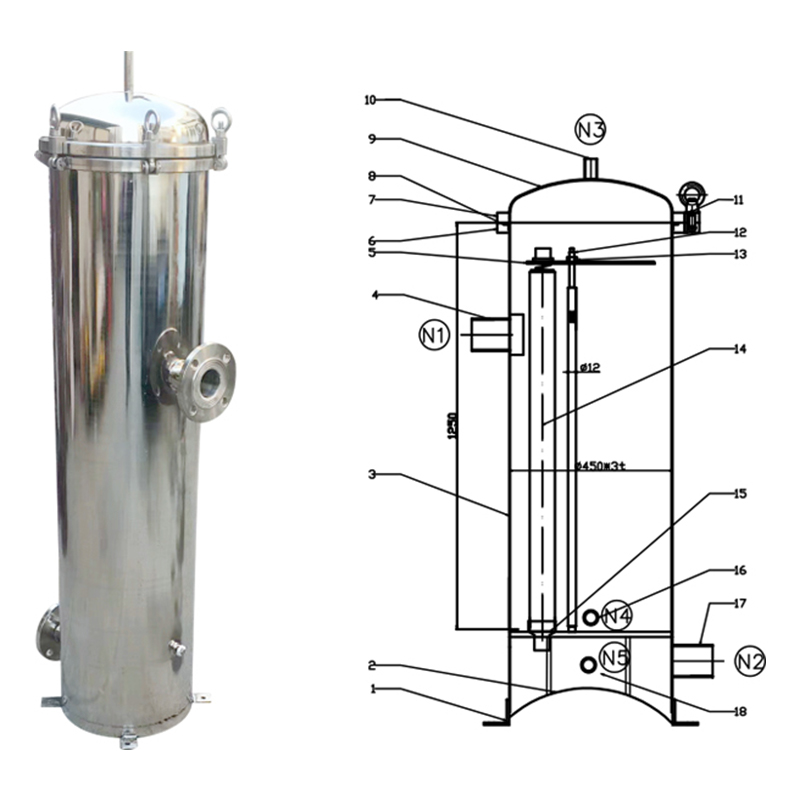
Safety fine filter
This filter consists of a cylindrical body and a tube grid. Micropores in the tube sheet are formed by polyethylene (PE) tubes located in it. The filter is assembled in a sealed cylindrical housing. The filtered medium enters the housing through the side inlet and is cleaned through filter tubes, after which the liquid is discharged through the lower pipe.
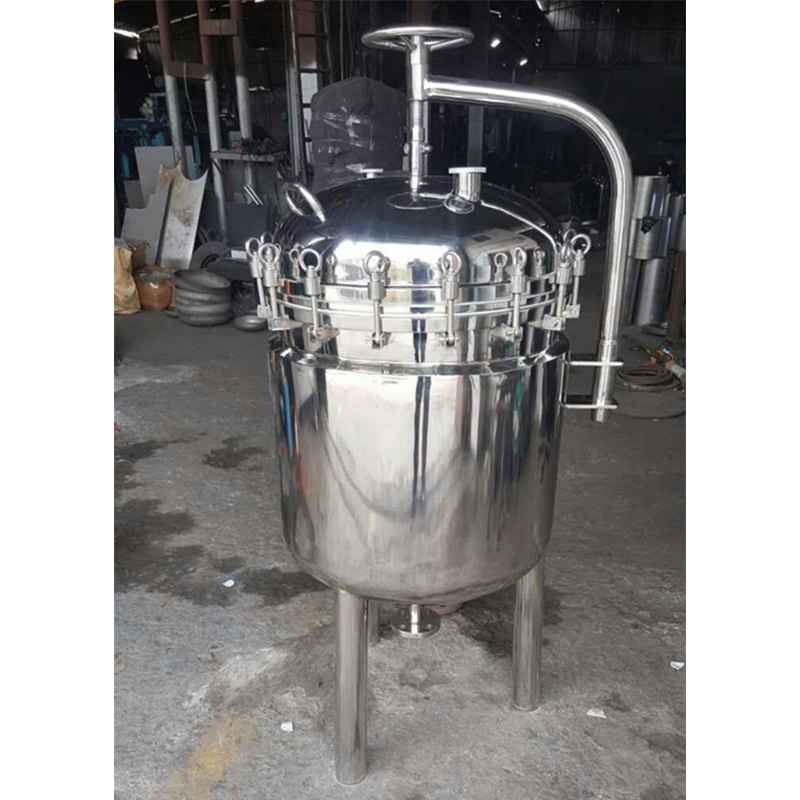
Single bag filter
Characteristics The bag filters are entirely made of high quality stainless steel...
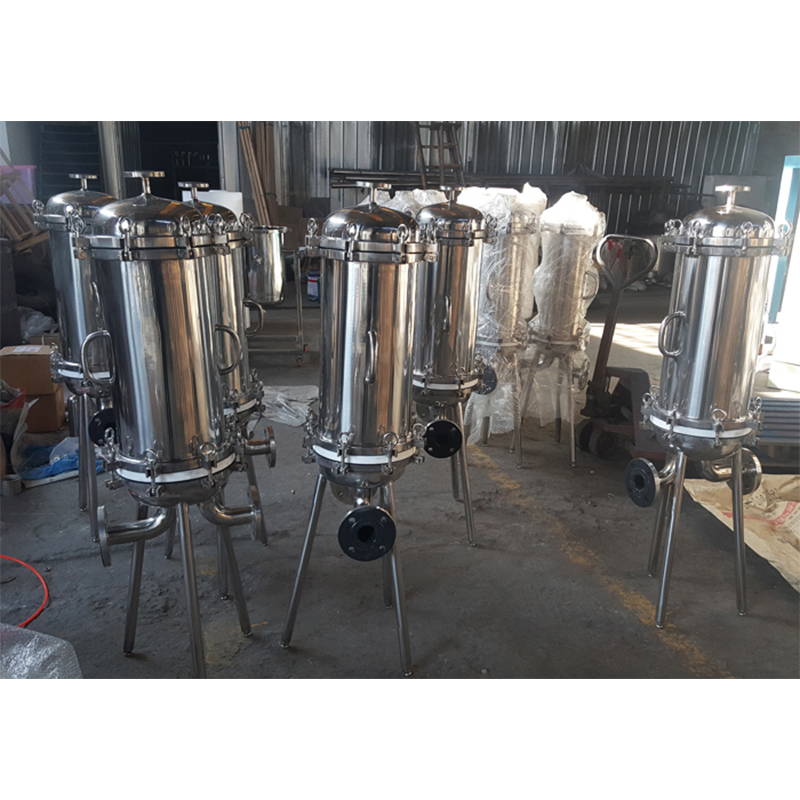
Corrosion-resistant cartridge filter with fluoroplastic lining
PTFE-lined stainless steel filters are specially designed for filtering highly acidic, highly alkaline and other highly corrosive liquids. All parts of the filter in contact with the liquid are fully lined with PTFE to protect the stainless steel from corrosion.
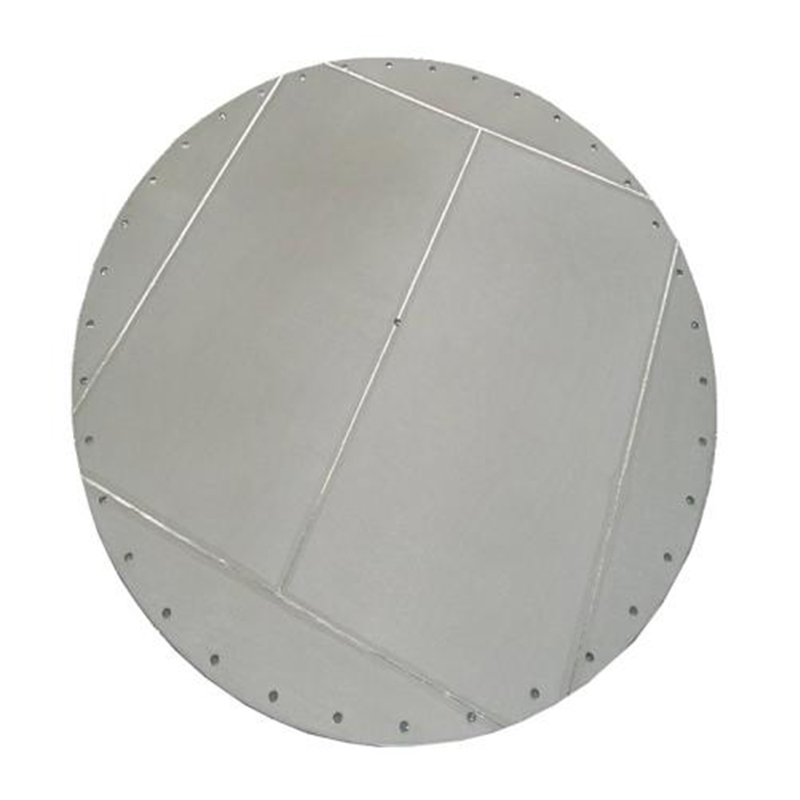
Three-in-one filter disc - filtration, washing, drying
The three-in-one filter disc for pharmaceutical equipment is a filter element that provides filtration, rinsing and drying (three in one).


